
Why this guide matters
Why Rudranath feels different from other Himalayan temple treks
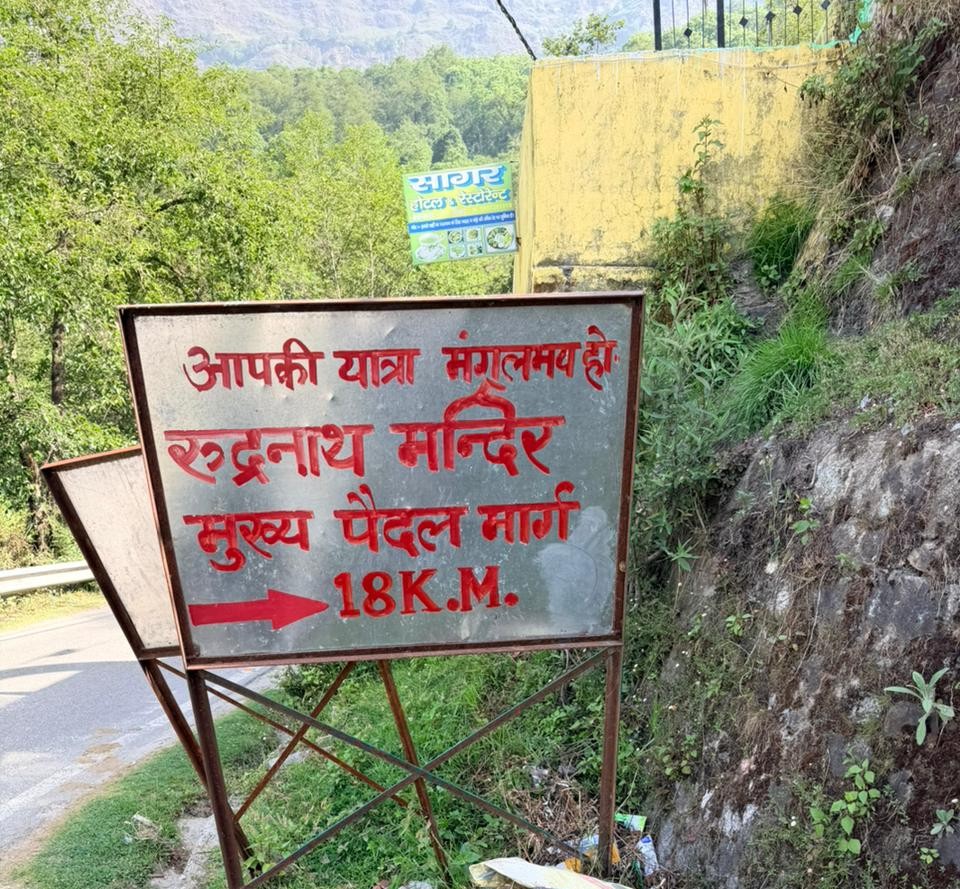
Any useful Rudranath Trek Guide 2026 has to begin with a simple truth: this is not a casual temple stroll with a paved pilgrim boulevard waiting at the end. Uttarakhand Tourism describes the Sagar-side trek to Rudranath as the toughest in the Panch Kedar set, and the official Kedarnath Wildlife Division now lists multiple formal permit routes to the shrine, including both Sagar and Gwar. That means the Rudranath Temple Trek is very much an active, regulated mountain approach, not just an old local path that survives by tradition alone.
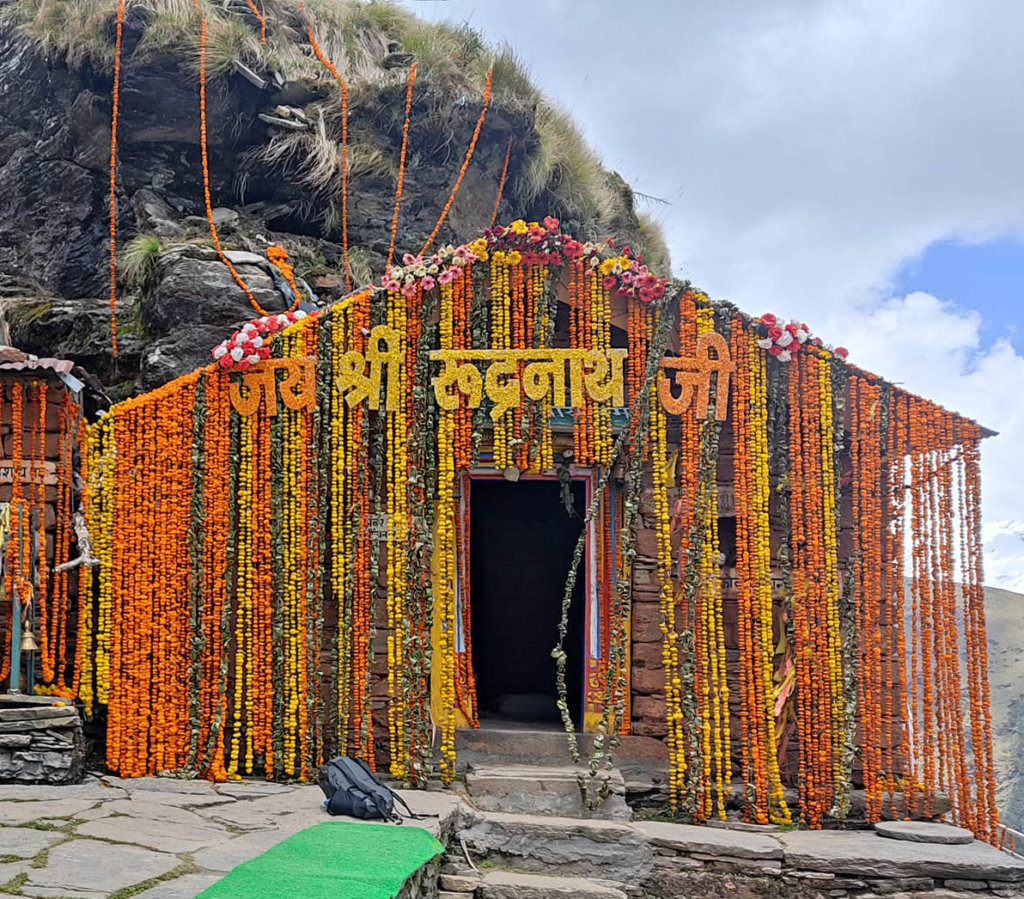
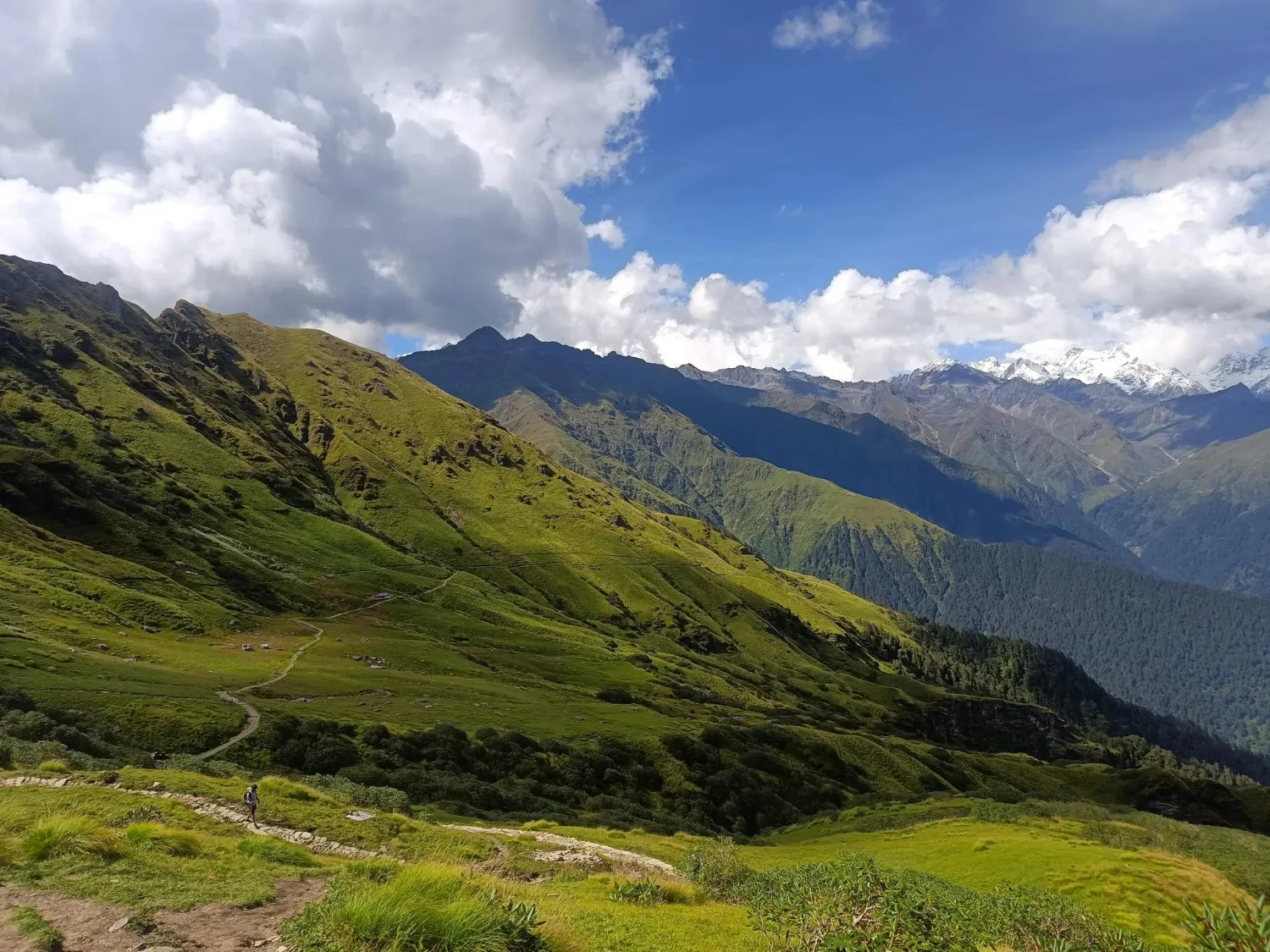
What makes the journey memorable is the balance of difficulty and stillness. Kedarnath has scale, Tungnath has quick access, and Madhyamaheshwar has a gentler rhythm by comparison; Rudranath, by contrast, asks you to walk longer, climb quieter ridges, cross bugyals that feel almost uninhabited, and then descend to a stone shrine where Shiva is worshipped in face form. The result is that the darshan feels less like arrival at an event and more like arrival at a hidden mountain vow.
From a trekking perspective, the route is rawer than many first-time pilgrims expect. Recent trekking sources consistently place the temple around 3,550–3,600 meters, with the trail climbing even higher near Pitradhar, which is why seasoned planners treat Rudranath as a trek requiring real pacing, gear discipline, and weather judgment. It is exactly this combination of pilgrimage, remoteness, and long mountain walking that makes the Rudranath Temple Trek one of Uttarakhand’s most rewarding sacred journeys.
Trek quick facts
The quick facts below combine the most useful current-season planning details. A small warning is necessary: official and commercial pages still show minor discrepancies on distance and altitude, so the table uses the most conservative practical range for trek planning.
Trek Quick Facts Table
Planning note: for altitude and acclimatization, trust the higher modern trekking figure, not the lower legacy number still visible on one district listing. Likewise, plan for 20–22 km, not the smallest number you see online.
What makes Rudranath central to the Panch Kedar yatra
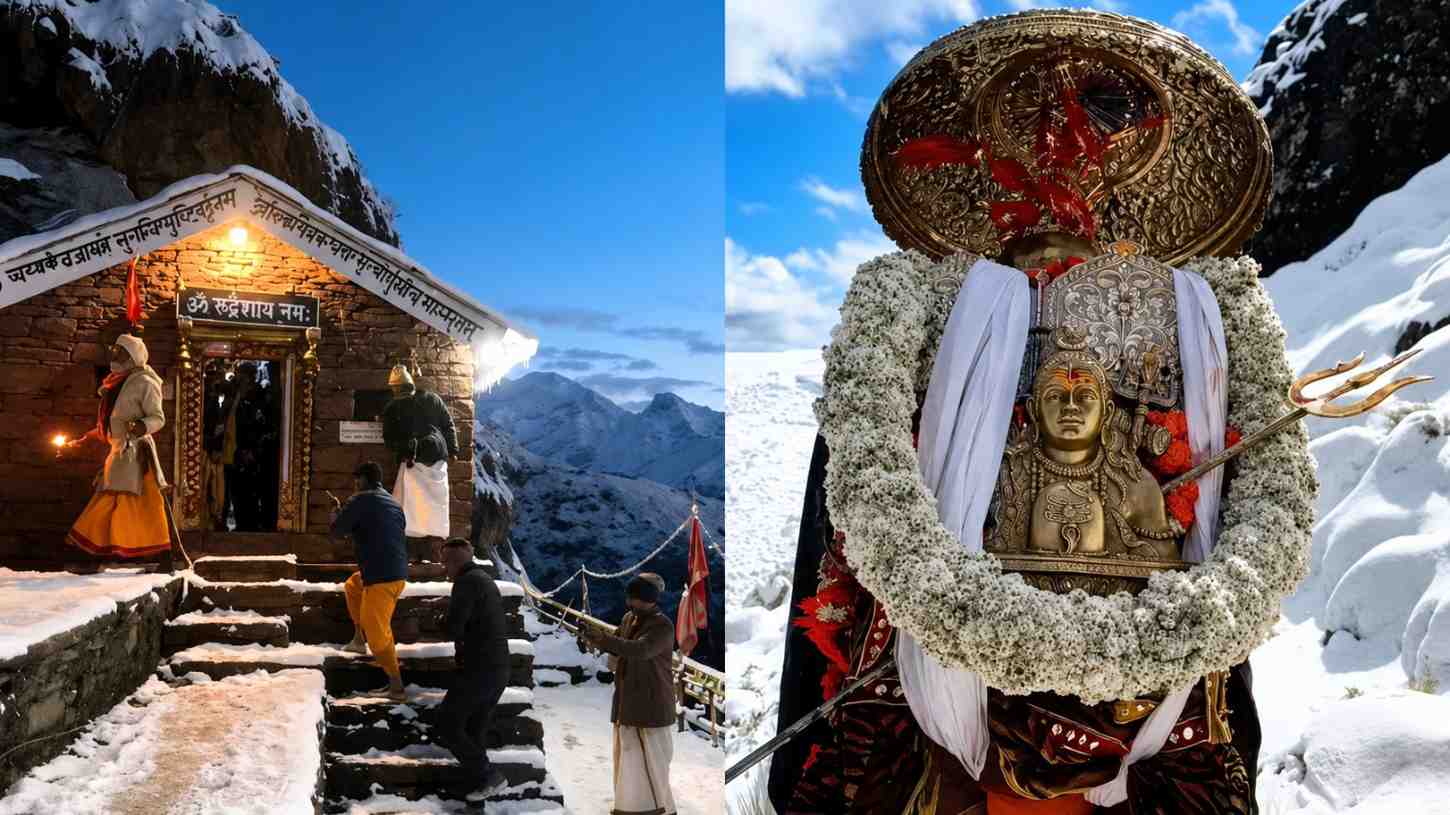
Uttarakhand Tourism’s Panch Kedar material lists the five sacred Shiva shrines as Kedarnath, Tungnath, Rudranath, Madhyamaheshwar, and Kalpeshwar, while its Shaiv circuit page identifies Rudranath as the fourth Kedar and notes that the deity here is worshipped in a fierce or Raudra form. On the Gopeshwar destination page, the state tourism portal goes further and explains that Gopinath Temple is the home of Rudranath, with Shiva revered there in his Ekanan form. Together, these details explain why Rudranath is not just another temple trek but a crucial theological stop in the wider Panch Kedar pilgrimage imagination.
Spiritually, Rudranath is important because the journey is built around intimacy rather than monumentality. The temple is smaller and more secluded than many first-time visitors expect, and the entire yatra carries the mood of a withdrawn Himalayan shrine rather than a heavily commercialized pilgrimage market. That is also why many devotees continue winter worship at Gopinath Temple in Gopeshwar once the high shrine closes under snow.
Kedar Trek or Kalpeshwar–Rudranath circuit. That flexibility makes it useful for both pilgrims seeking darshan and trekkers seeking one of Garhwal’s most evocative sacred ridge walks.
Temple opening and closing dates for the current season

The reliable part of the Rudranath Temple calendar for the current season is the reopening date: multiple current-season sources, including public-broadcast reporting and recent travel coverage, agree that the temple reopened on 18 May 2026. The ceremonial movement of the deity from Gopinath Temple, Gopeshwar, before reopening is also consistently reported.
The exact reopening time, however, is published inconsistently. Some 2026 sources mention 7:00 AM, while others report the doors opening around midday or 1:00 PM after ritual completion. For travelers, that discrepancy is more than a trivia point: it means you should use 18 May 2026 as the confirmed date, but verify day-specific darshan timing in Gopeshwar or through the latest local committee updates if you are planning arrival exactly around opening day.
For closing, the most widely published date is 17 October 2026. Recent itinerary and temple-date pages repeat that date, but several also describe it as seasonal, expected, or subject to ritual-weather conditions. That is the right way to think about it: the current working close date is 17 October 2026, but late-season travelers should reconfirm locally because snowfall, access, and ritual scheduling can shift mountain temple calendars.
Is Rudranath Trek suitable for beginners
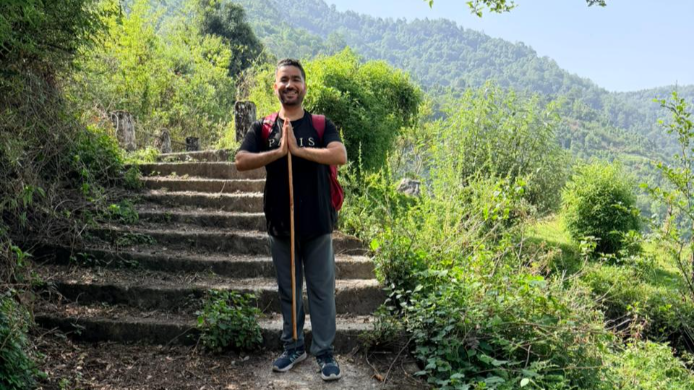
Yes, but only with an important qualifier: fit beginners can do the Rudranath Trek, while casual travelers with no hiking base often underestimate it. The official Kedarnath Wildlife permit pages classify both the Sagar and Gwar routes as moderate, but updated 2026 trekking guides more realistically describe the overall experience as moderate to difficult because of the long walking distance, repeated elevation gain, and the high point at Pitradhar before the final descent to the temple.
The better question is not “Can a beginner do it?” but “Can a beginner do it responsibly?” If you can already walk uphill for several hours, train beforehand, keep a conservative itinerary, and avoid peak monsoon, the answer is often yes. If this would be your first proper Himalayan trek and you are planning to rush the route in two days with minimal prep, the answer is really no. Rudranath rewards patience and punishes shortcuts.
Route planning and logistics
Where Rudranath Temple is located
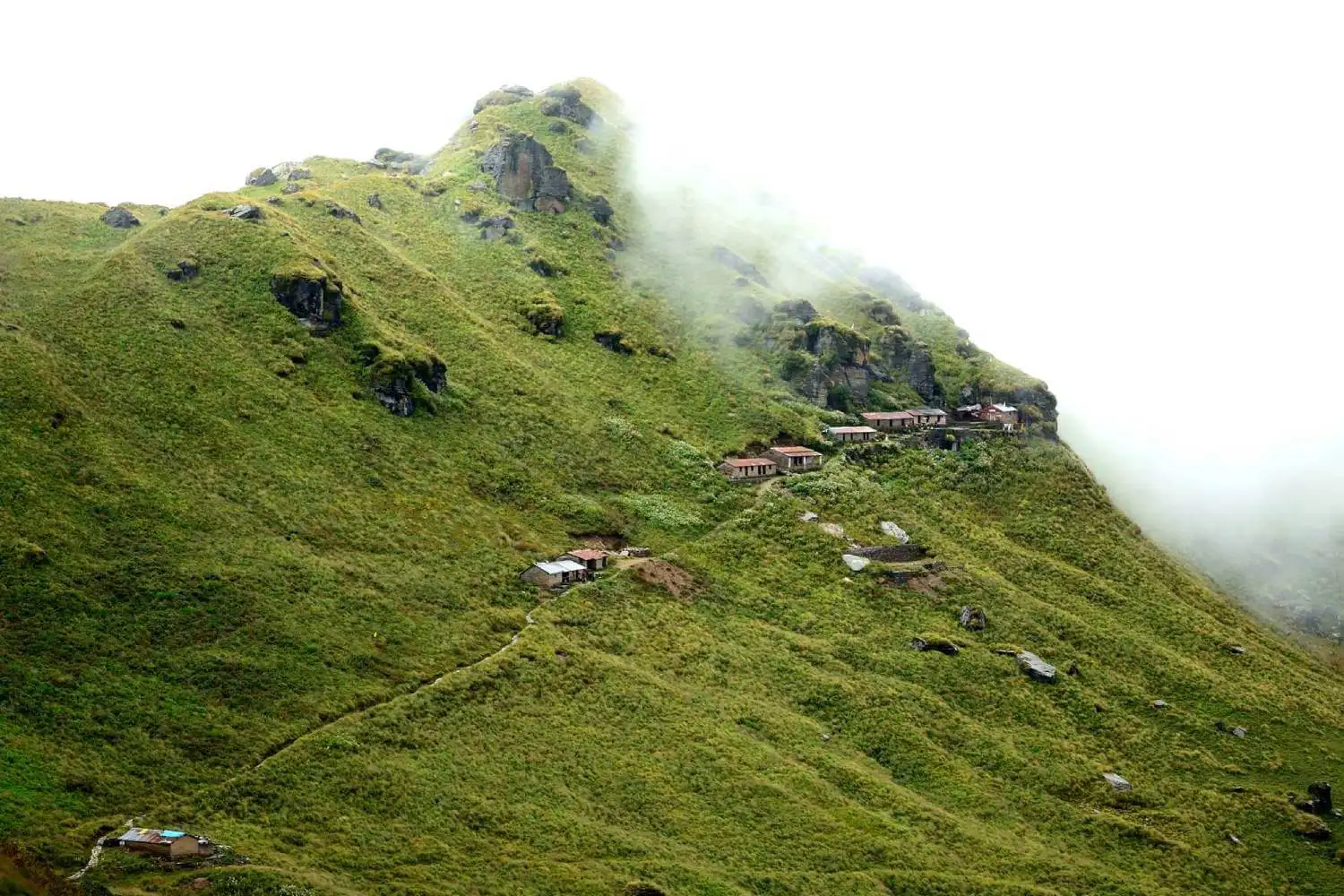
Rudranath Temple sits in Chamoli district in Uttarakhand’s Garhwal Himalaya. The Chamoli district administration page places the usual entry on the Sagar village side and notes a 20 km trek from Sagar, while Uttarakhand Tourism’s Gopeshwar destination page frames the same journey as a 22 km trek and calls it the toughest among the Panch Kedar. That small variation is normal in the Himalaya, where route estimates shift slightly with road endpoint, campsite used, and how a source counts the final approach.
The more important planning issue is altitude. The official Chamoli page still shows a much lower figure, but current-route sources and travel reporting consistently place the temple around 3,600 meters, with the walk cresting higher near Pitradhar. For gear, acclimatization, and exertion planning, the higher figure is the correct one to use. If you prepare for 2,290 meters, you will simply prepare for the wrong trek.
The shrine’s setting is classic Rudranath: alpine meadows, forest approaches, distant major peaks, and a stone temple landscape that feels exposed yet protected. The Chamoli district page specifically notes the visibility of Nanda Devi and Trishul from the temple front, which is one reason the final descent into Rudranath always feels visually larger than the shrine’s modest physical scale.
The most practical approach route this season
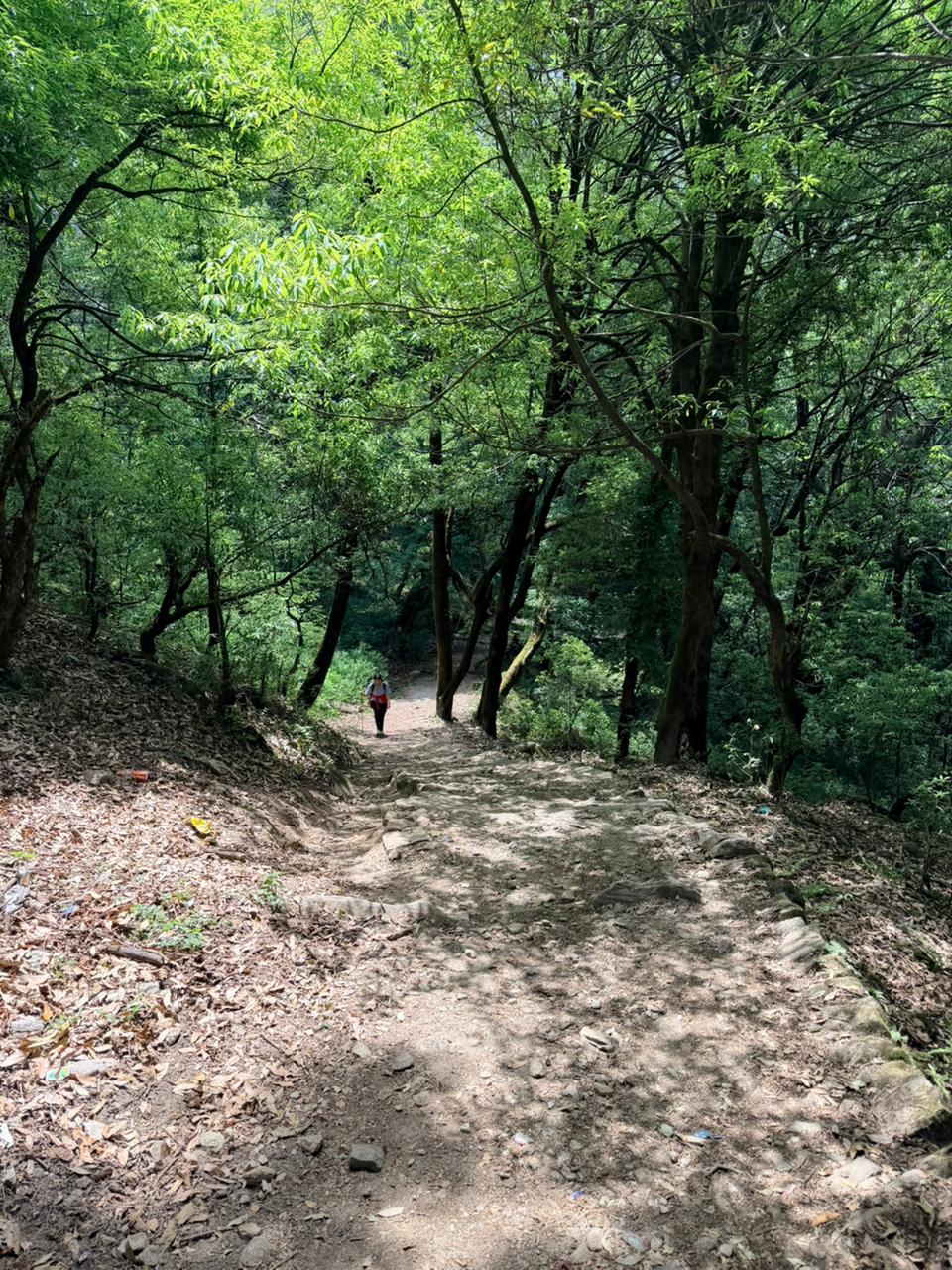
For most independent travelers in the current season, the most practical planning choice is the Gopeshwar–Sagar–Gwar belt. The official wildlife division now does something important here: it does not merely acknowledge Sagar; it separately lists Gwar to Shri Rudranath Dham as a formal trek product. On that official page, the division describes the Gwar route as beginning about one kilometer ahead of Sagar village and rates it moderate. That recognition effectively moves Gwar from “local alternative” to “real planning route.”
That same official route note also says the Gwar line is a useful choice if a traveler misses a ticket on the Sagar route, and mentions that the trail is especially attractive for wildlife lovers. The official Sagar permit page, meanwhile, describes Sagar as the traditional pilgrim route, passing through Pung Khark, a traditional resting point for the ceremonial doli on its way to the temple. In practical terms, that means your choice is no longer between “correct” and “incorrect” base points; it is between two closely linked approaches, one traditional and one increasingly convenient for modern trek logistics.
For first-time trekkers, this has one easy takeaway: either approach can work, but the Gwar Village Rudranath Trek setup is becoming smarter because it aligns the night-before stay with the current permit ecosystem and reduces dawn-road friction. That is why so many recent trek-planning conversations now place Gwar Village at the center of the Rudranath Temple Trek discussion.
Road access and transport availability
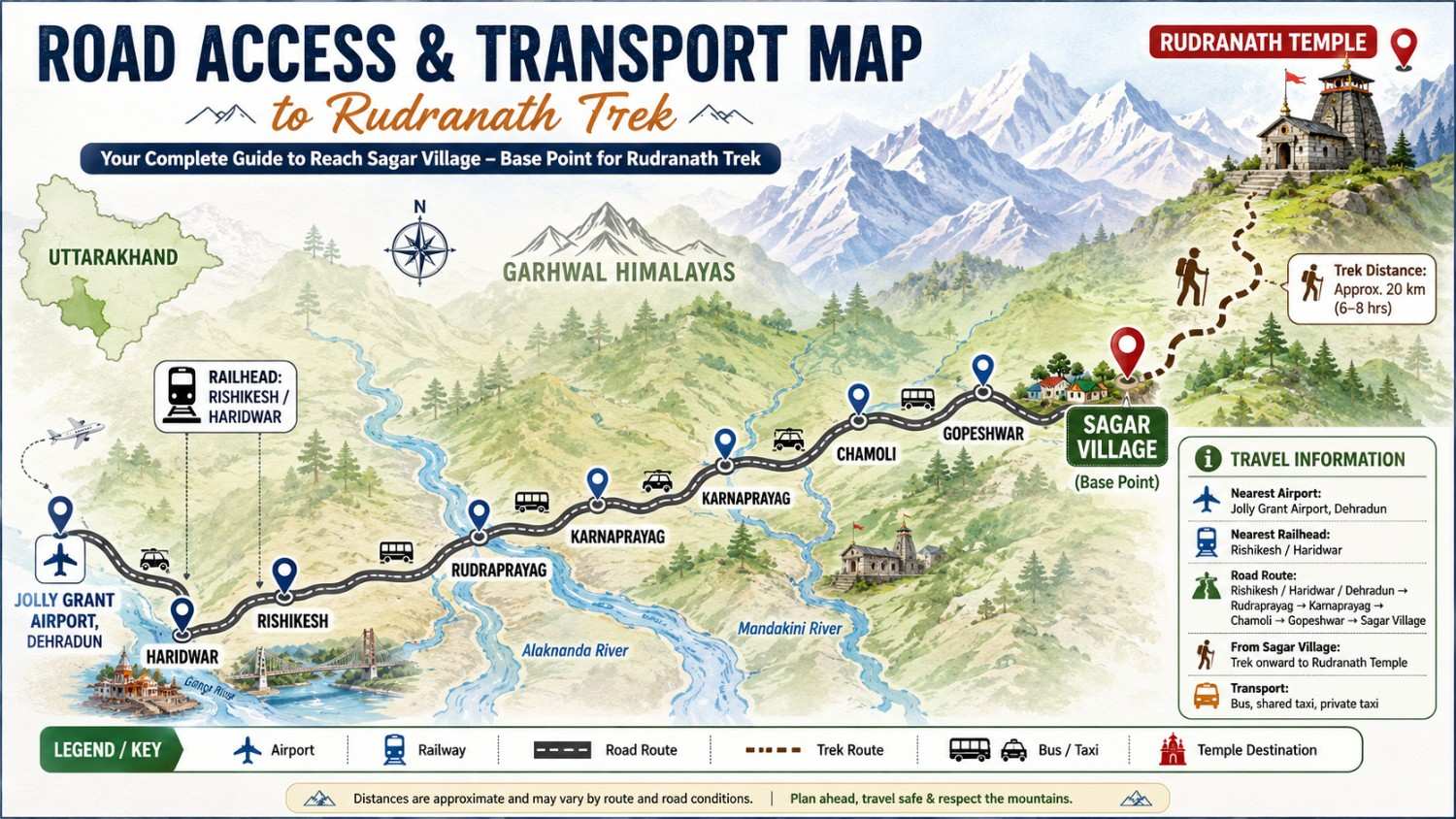
The standard access chain remains straightforward on paper and slightly slower in reality. According to the Chamoli district administration page, the nearest airport is Jolly Grant Airport, Dehradun, about 258 km from Gopeshwar, and the nearest railhead is Rishikesh, about 241 km from Gopeshwar. The same official page states that buses and taxis are available onward to Gopeshwar, after which the Rudranath approach continues by road to the Sagar-side entry.
From the broader state-tourism side, Gopeshwar remains the key gateway town. Recent itinerary pages still frame the drive from Rishikesh to Sagar/Gopeshwar as a long nine- to ten-hour mountain road day through Garhwal confluence country. In other words, if you are coming from the plains, you should not plan to reach late and then immediately begin the trek. A night halt in Gopeshwar, Sagar, or better still the Gwar-side road belt, is the more sensible pacing strategy.
point can be unpredictable. Add mountain weather to that, especially in monsoon-prone periods, and the case for sleeping in the Rudranath Trek base point area becomes even stronger. Leave buffer time, carry cash, and do not treat Himalayan road timing like highway timing.
Trek routes that matter right now
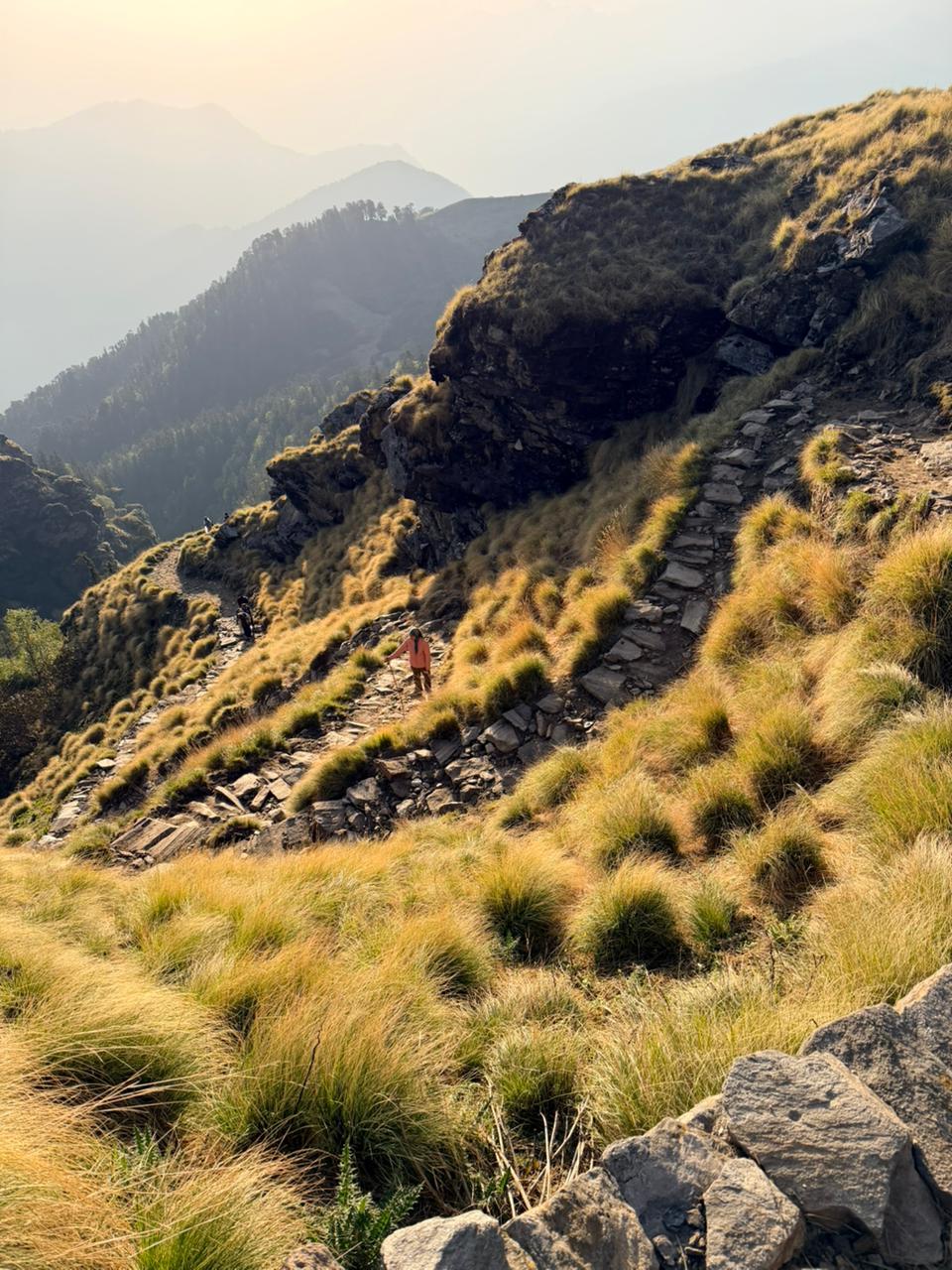
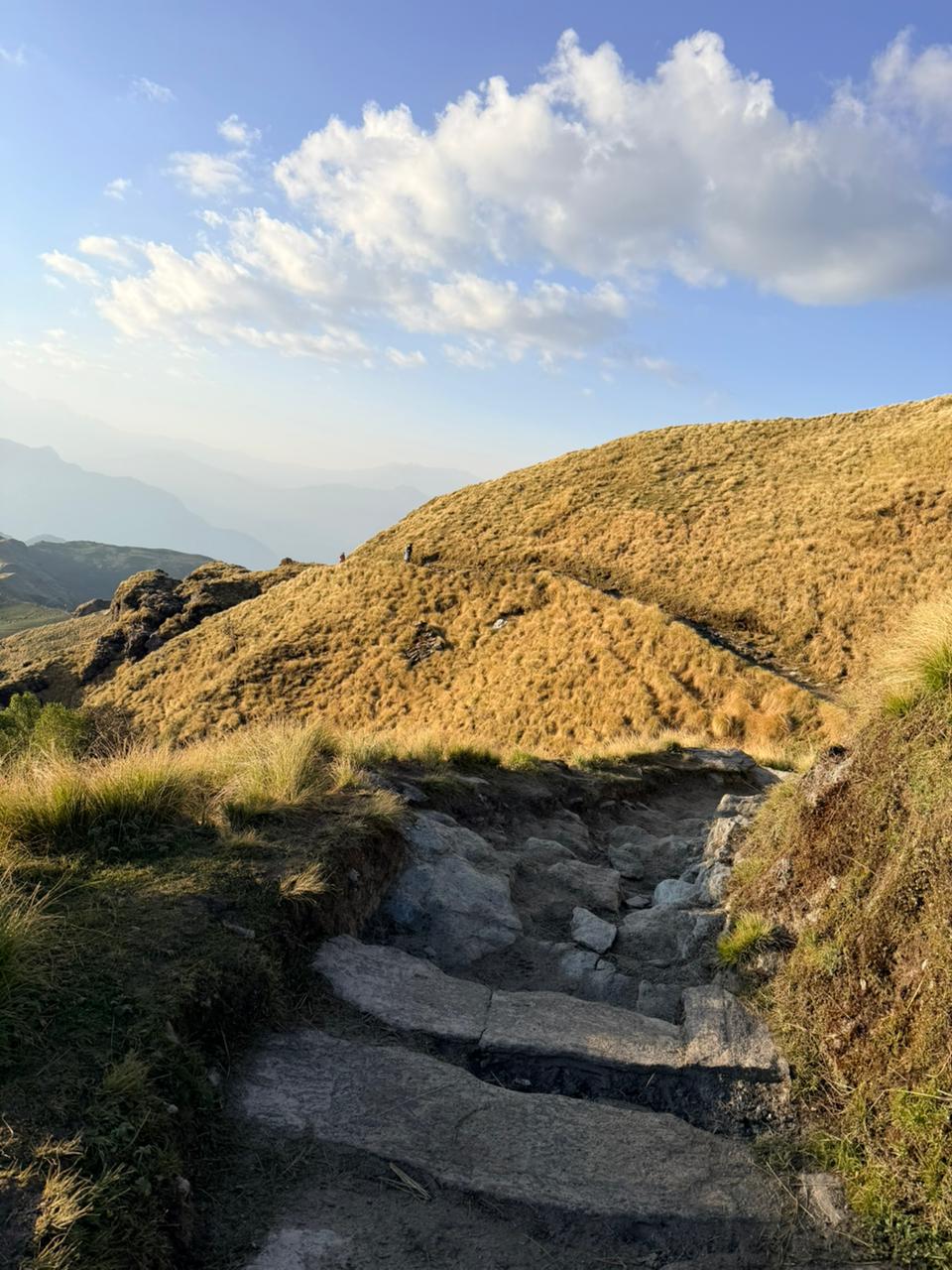
There are older descriptions of Rudranath access floating around online, but for current practical planning, the list below is the one that matters most. It reflects official route recognition where available and current trail use where that is what travelers actually need.
Route Breakdown Table
| Route Family | Current Practical Use | Approx. Walking Commitment | Best For | Key Caution |
|---|---|---|---|---|
| Gwar side | Officially listed by Kedarnath Wildlife Division. | Similar overall effort to the Sagar-side approach. | Trekkers staying in Gwar Village and wanting a clean early start. | Wildlife-rich forest sections; still a long mountain day. |
| Sagar side | Traditional pilgrim route and most widely known approach. | About 20–22 km one way. | First-timers using the classic route via Pung, Lyuti and Panar. | Long distance and big altitude gain. |
| Mandal–Anasuya side | Still part of Uttarakhand Tourism’s Panch Kedar route material. | Longer and more involved approach. | Pilgrims doing the classic devotional route via Anasuya Devi. | More route complexity; better for experienced walkers. |
| Urgam–Devgram–Dumak–Panar circuit | Commonly used for Kalpeshwar + Rudranath combinations. | Multi-day circuit and significantly longer. | Strong trekkers combining Panch Kedar segments. | Requires more time, logistics and mountain fitness. |
One more useful route-planning note: the official Kedarnath Wildlife collection currently lists five permitable Rudranath lines—Sagar, Gwar, Gangol Gaon, Siroli, and Kunjon-Maikot. That is one of the clearest signs that the route network is being handled more formally than many older blog posts suggest.
Rudranath Trek route breakdown
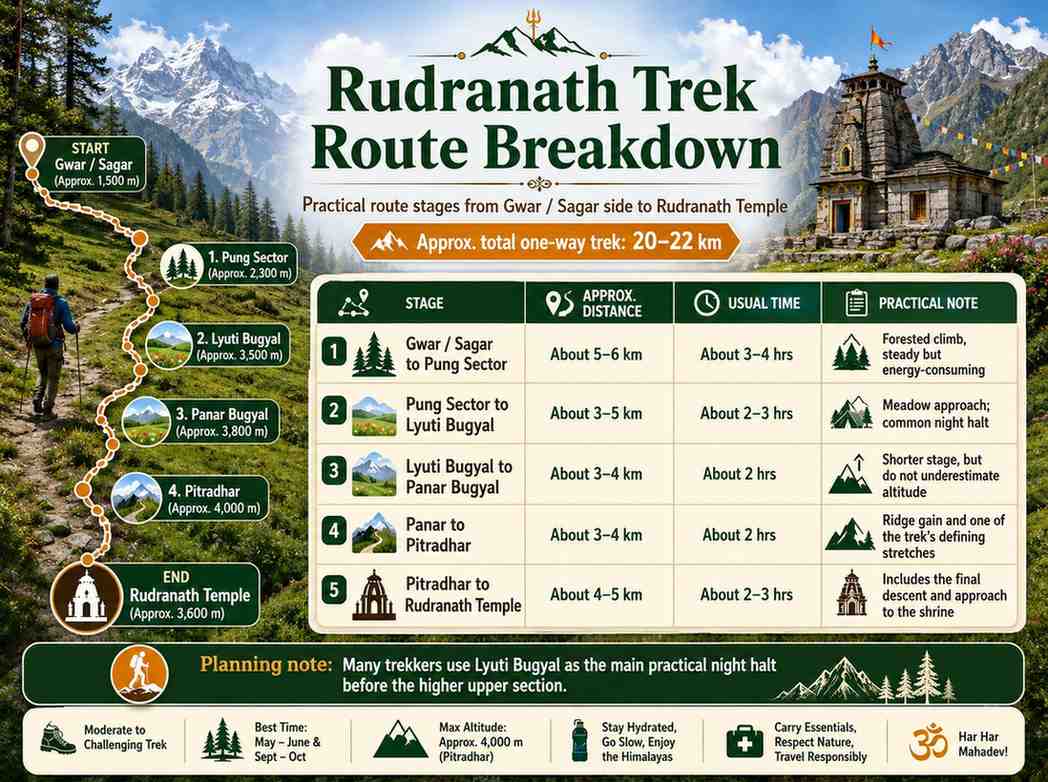
If you want the cleanest Rudranath Trek plan for 2026, the most practical itinerary remains the Gwar / Sagar side with a camp or halt at Lyuti Bugyal, then a push to the temple via Panar and Pitradhar. Recent guides differ slightly in stage counting, but they broadly agree on the structure: a shorter first day to Lyuti or Moli Kharak, followed by the longer temple day.
Distance Chart
| Trail Section | Approx. Distance | Usual Time | Practical Note |
|---|---|---|---|
| Gwar / Sagar to Pung sector | About 5–6 km | About 3–4 hrs | Forested climb; steady but energy-consuming. |
| Pung sector to Lyuti Bugyal | About 3–5 km | About 2–3 hrs | Meadow approach; common night halt for many trekkers. |
| Lyuti Bugyal to Panar Bugyal | About 3–4 km | About 2 hrs | Shorter stage, but altitude should not be underestimated. |
| Panar Bugyal to Pitradhar | About 3–4 km | About 2 hrs | Ridge gain and one of the defining stretches of the trek. |
| Pitradhar to Rudranath Temple | About 4–5 km | About 2–3 hrs | Final descent and sacred approach to the shrine. |
Planning note: many trekkers now treat Lyuti Bugyal as the main practical campsite because it is commonly used as a dependable tent-and-food halt before the higher Panar, Pitradhar and Rudranath Temple sections.
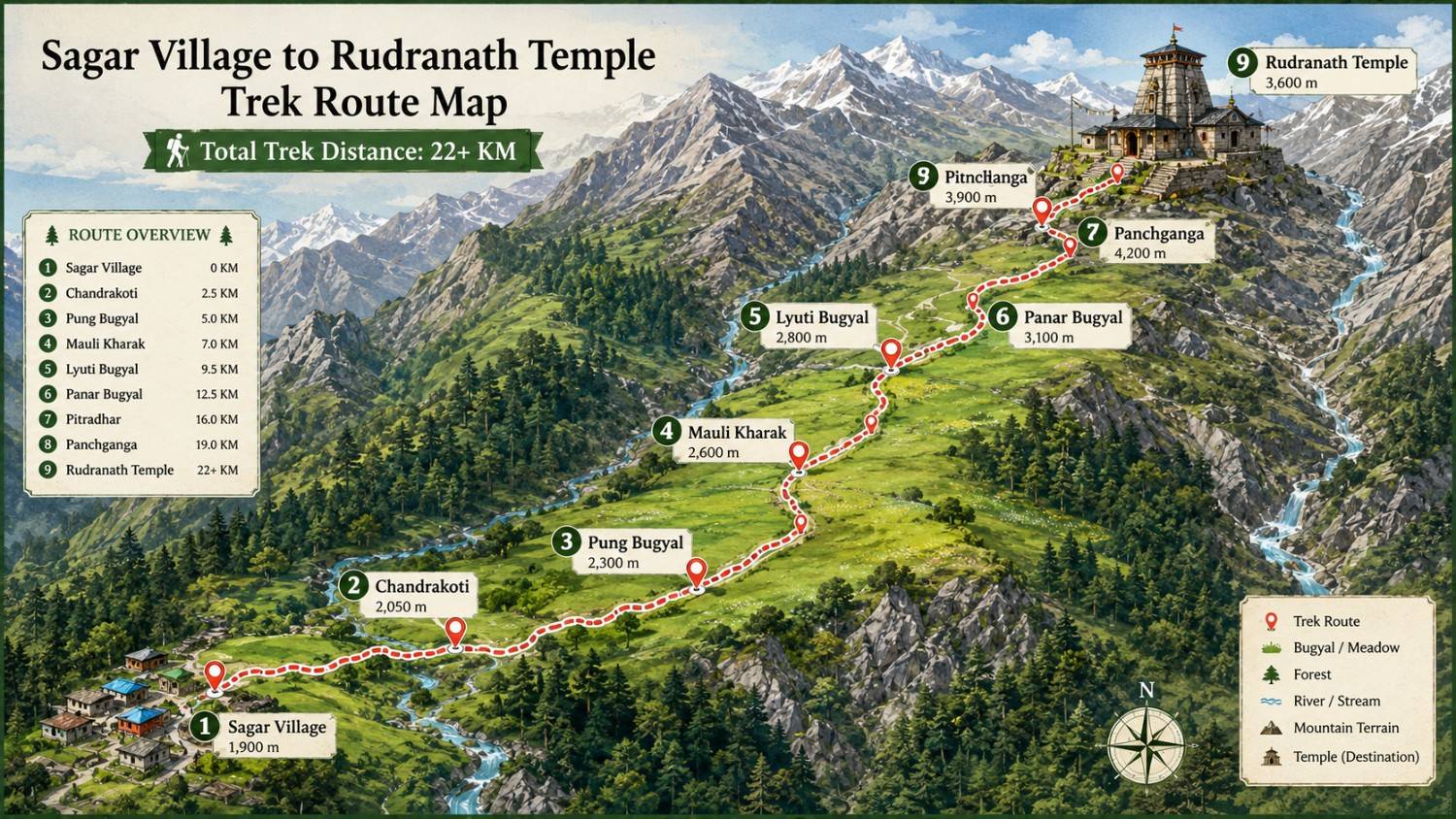
Sagar Village to Rudranath Temple Trek Route Map
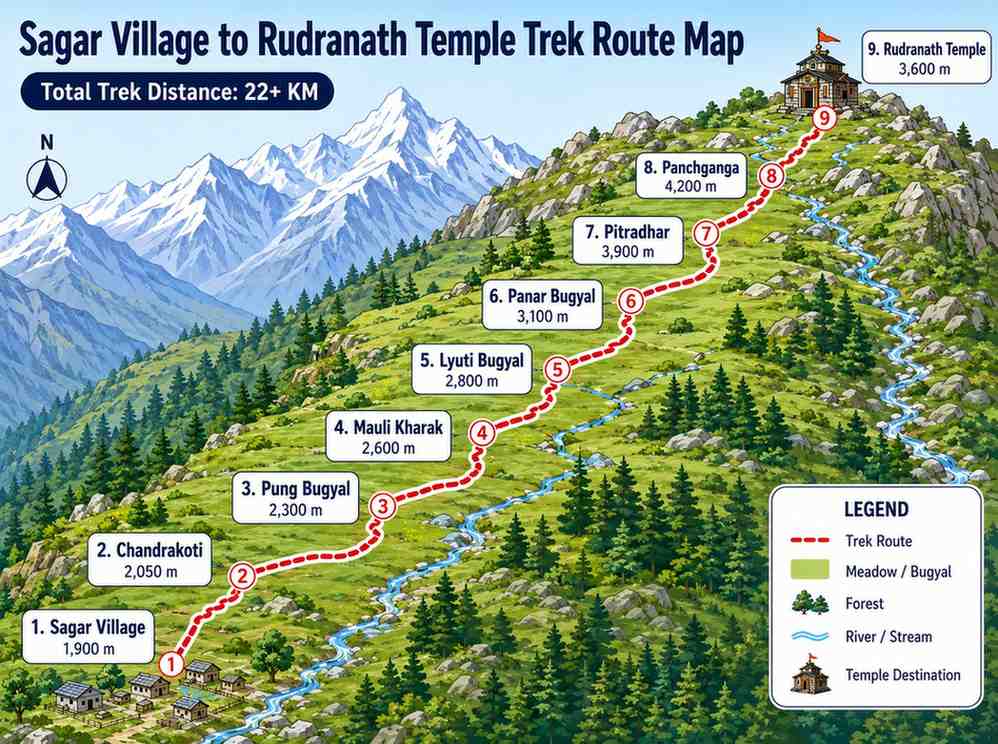
This stop-by-stop route map helps trekkers understand where food is available, where tent stay is possible, where only a rest point is available, and where they should carry their own water and snacks. Use this section as a practical trail reference before starting the trek.
Stop-by-Stop Route Details
Sagar Village
The trek begins from Sagar Village, the traditional starting point of the Rudranath Yatra.
- Food & refreshments
- Homestays
- Guest accommodation
- Camps / tents
- Local guides
Chandrakoti
A peaceful scenic stop on the route, known for mountain views and calm surroundings.
- Viewpoint
- Short rest stop
- Carry snacks
Pung Bugyal
A popular resting point where trekkers usually stop for tea, snacks or a short break.
- 2–3 food shops
- Tea & snacks
- Tent accommodation
Mauli Kharak
A scenic meadow and resting area where trekkers can slow down and recover before moving ahead.
- Food stalls
- Tea shops
- Tent accommodation
- Resting area
Lyuti Bugyal
One of the most beautiful alpine meadows on the Rudranath Trek and a good overnight halt option.
- 2–3 food shops
- Tea & snacks
- Tent stay
- Sunrise views
- Sunset views
Panar Bugyal
An important checkpoint before proceeding towards Rudranath Temple. Trek registration is conducted here.
- Registration point
- INR 700 per adult
- Keep cash ready
Pitradhar
A high scenic viewpoint and resting spot on the upper section of the Rudranath route.
- Resting area only
- No food stalls
- No accommodation
- No tent facilities
Panchganga
A sacred and picturesque location where several natural water streams meet.
- Natural water source
- Resting area
- Photography spot
- No food
- No camps
- Very cold water
Rudranath Temple
The final destination of the trek and one of the sacred Panch Kedar temples dedicated to Lord Shiva.
- Food & refreshments
- Camps
- Tent accommodation
- Mountain shelters
- Horse services
- Basic trekking support
Route Map Overview Table
| No. | Route Point | Importance | Facilities Available | Important Note |
|---|---|---|---|---|
| 1 | Sagar Village | Traditional starting point of Rudranath Yatra. | Food, refreshments, homestays, guest stays, camps, tents, guides. | Best place to arrange guide support before starting. |
| 2 | Chandrakoti | Scenic mountain-view stop. | Rest stop only. | Carry snacks and water. |
| 3 | Pung Bugyal | Popular resting point. | 2–3 food shops, tea, snacks, tent accommodation. | Useful halt before meadow sections. |
| 4 | Mauli Kharak | Scenic meadow and rest area. | Food stalls, tea shops, tents, resting area. | Good for groups walking at a slower pace. |
| 5 | Lyuti Bugyal | Beautiful alpine meadow. | 2–3 food shops, tea, snacks, tent stay. | Excellent sunrise and sunset views. |
| 6 | Panar Bugyal | Main checkpoint before Rudranath Temple. | Registration facility. | Registration fee: INR 700 per adult. |
| 7 | Pitradhar | Scenic viewpoint and resting spot. | Resting area only. | No food, no accommodation and no tents. |
| 8 | Panchganga | Sacred water-stream point and photography location. | Natural water source and resting area. | No food or camps. Water is extremely cold. |
| 9 | Rudranath Temple | Final destination and sacred Panch Kedar shrine. | Food, camps, tents, mountain shelters, horse services, basic trek support. | Facilities are basic and seasonal, so confirm locally. |
Food, Stay & Facility Availability Table
| Stop | Food / Tea | Stay Option | Water / Rest | Best Use for Trekkers |
|---|---|---|---|---|
| Sagar Village | Available | Homestays, guest accommodation, camps and tents | Available locally | Start point, guide arrangement and pre-trek preparation. |
| Chandrakoti | Carry your own | Not a stay point | Rest stop | Short break and mountain views. |
| Pung Bugyal | 2–3 food shops, tea and snacks | Tent accommodation | Rest possible | Food break or short rest. |
| Mauli Kharak | Food stalls and tea shops | Tent accommodation | Rest possible | Meadow halt and recovery point. |
| Lyuti Bugyal | 2–3 food shops, tea and snacks | Tent accommodation for overnight stay | Rest possible | Best overnight halt, sunrise and sunset views. |
| Panar Bugyal | Limited / seasonal | Confirm locally | Checkpoint area | Registration before the upper trek section. |
| Pitradhar | Not available | No accommodation or tent facilities | Resting area only | Viewpoint and short rest only. |
| Panchganga | Not available | No camps or tents | Natural water source | Photography, videography and water refill with caution. |
| Rudranath Temple | Food and refreshments available | Camps, tent accommodation and traditional shelters | Basic facilities | Darshan, night halt and return planning. |
Important Trekking Advice for Sagar to Rudranath Route
The Sagar Village to Rudranath Temple route is long, scenic and spiritually powerful, but trekkers should not take it casually. Start early, walk at a steady pace and keep essential items ready before leaving the main facility points.
- Carry sufficient water and energy snacks.
- Wear proper trekking shoes with good grip.
- Carry warm clothing and rain protection.
- Start early in the morning for a comfortable trek.
- Keep a power bank and flashlight with you.
- Carry cash for registration and local facilities.
- Do not depend fully on mobile network on the trail.
- Respect nature and avoid littering anywhere on the route.
The Rudranath Temple Trek offers breathtaking Himalayan views, alpine meadows, spiritual significance and an unforgettable adventure through the heart of Uttarakhand.
Gwar Village as the smart base
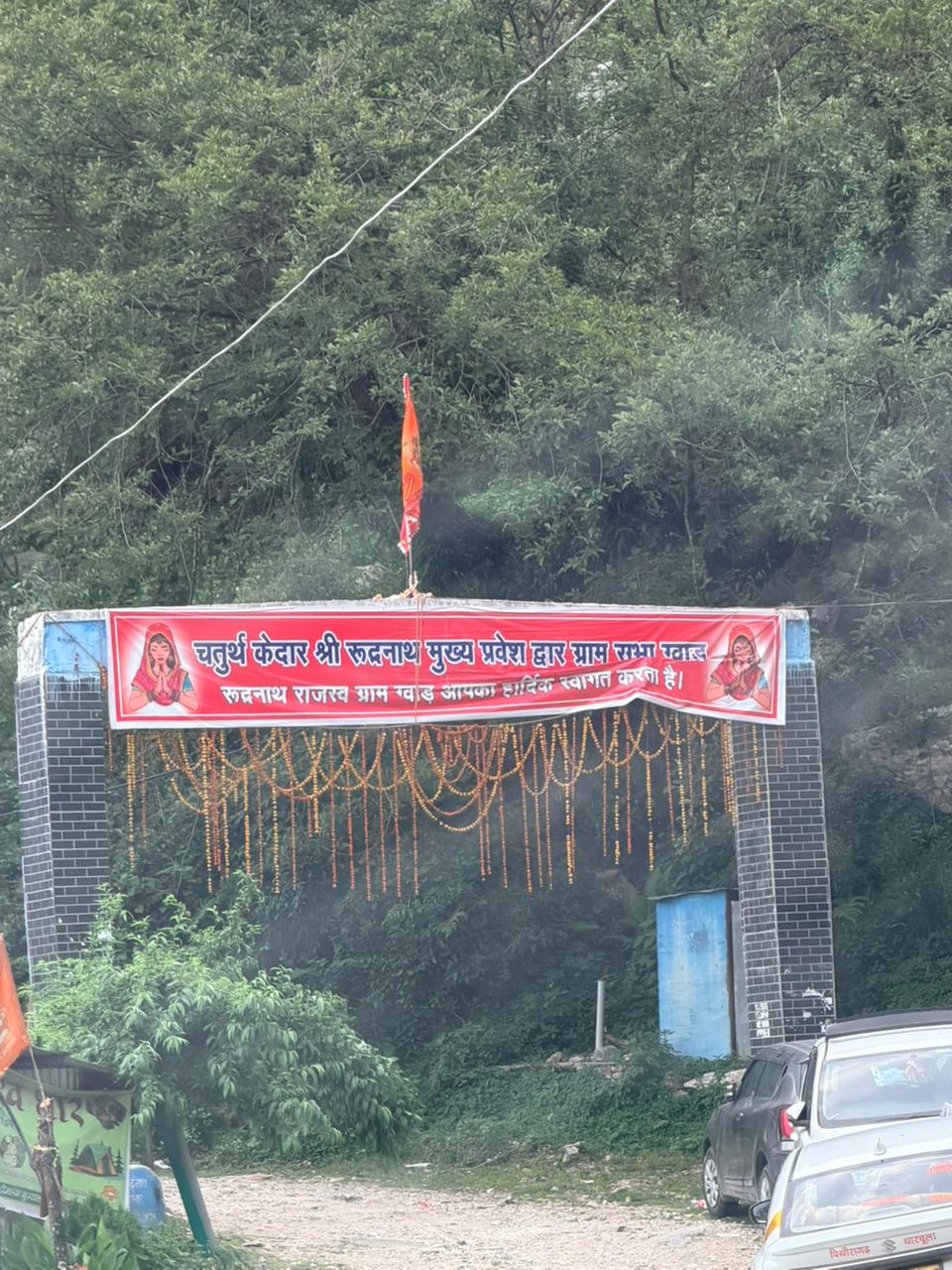
Why Gwar Village is becoming the preferred base point
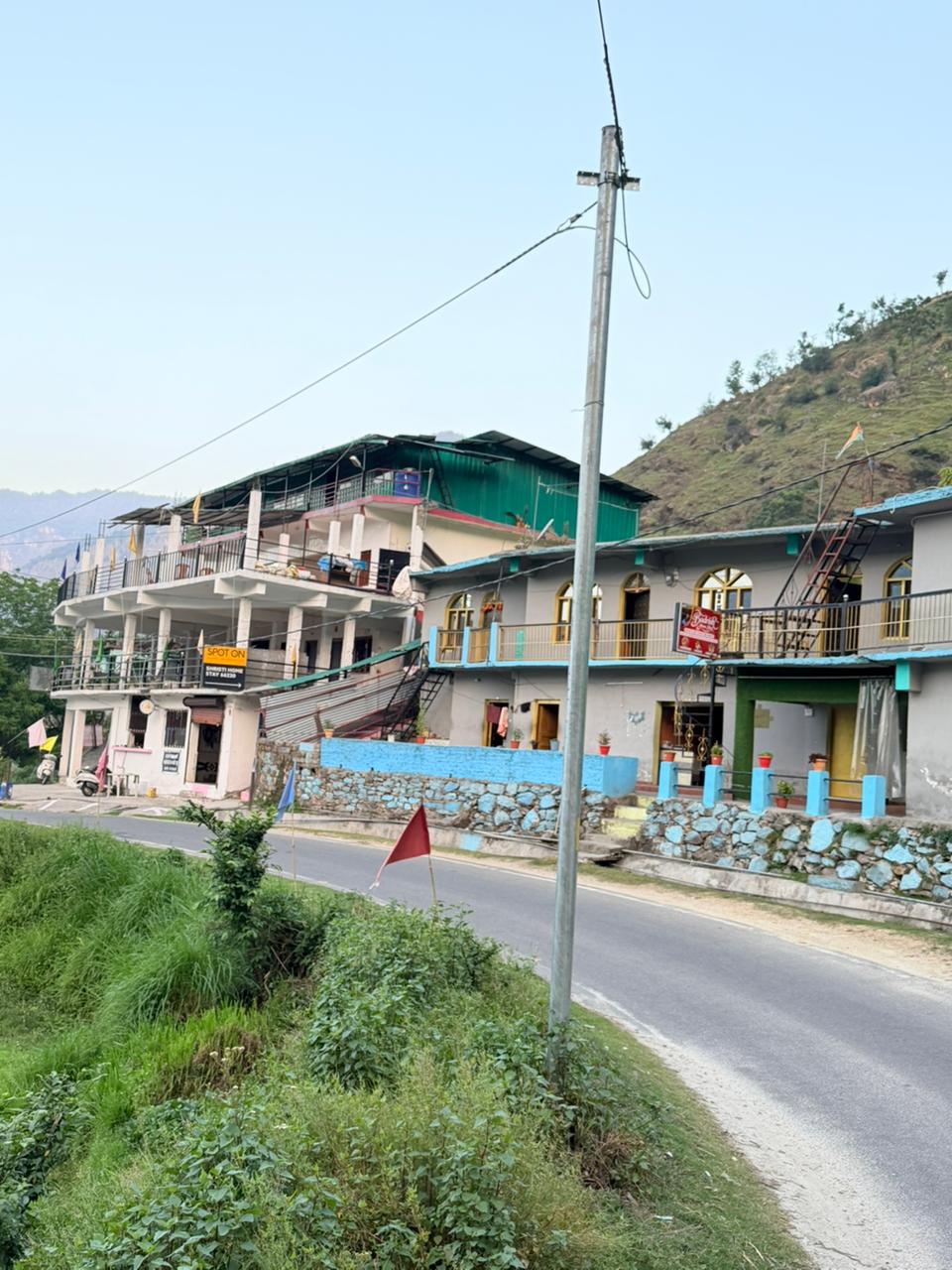
The best way to understand the current Rudranath Trek base camp story is to separate tradition from logistics. Sagar remains the classic trail name. But Gwar Village is increasingly the better stay-and-start base point because the official forest permit system now recognizes it directly. Kedarnath Wildlife Division lists Gwar to Shri Rudranath Dham as its own route, rates it moderate, and says that the trail begins about one kilometer ahead of Sagar. That formal recognition changes everything: Gwar is no longer just a local stopover whispered between drivers and trekkers; it sits inside the official route matrix.
The local ecosystem around Gwar also looks more developed than many older Rudranath write-ups suggest. Current listings show the Rudranath Trek Main Entrance in Gwar Dewaldhar, along with trek- guide services and multiple stay options in the same road belt. In practical terms, that means you can now arrive, sleep, sort permits, speak to guide contacts, and begin on foot without treating the last mile as an afterthought.
This is why many trekkers now prefer Gwar Village Rudranath Trek planning over the older default of “stay anywhere in Gopeshwar and figure it out in the morning.” Gwar does not replace the traditional route story; it improves the logistics around it. Think of Sagar as the classic trailhead and Gwar as the more efficient modern base point.
Why trekkers choose Gwar over a rushed trailhead start
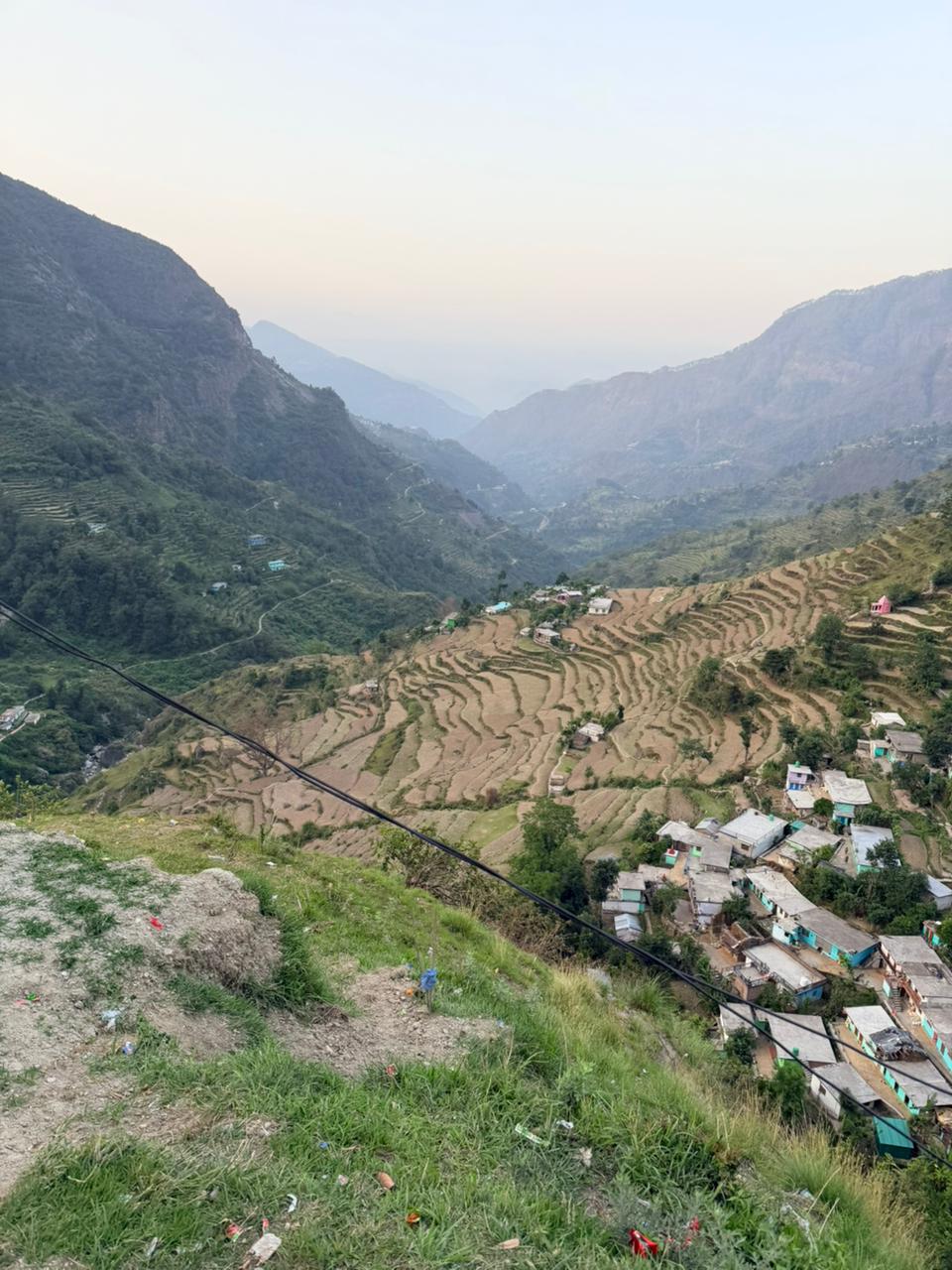
sleep. That is the practical charm of Gwar Village. Because it sits so close to the recognized route start, a pre-trek night here makes the morning simpler: breakfast, permit, water fill, shoulder straps tightened, and then walking.
There is also a softer reason people choose Gwar. Gopeshwar is useful, but it is still a town. Gwar feels more like the threshold of the trek itself. The road quiets down, the village rhythm is slower, and the pilgrimage begins to feel less transactional. For a route as inward-looking as Rudranath, that mood matters. Many trekkers discover that the mountain experience starts not at the first climb, but the previous evening, when the urgency finally leaves the itinerary.
If you are doing the Rudranath Temple Trek for the first time, this matters even more. The trek is long enough that small logistical improvements have outsized value. Starting calm is better than starting fast. Gwar helps you do that.
Parking guides mule support and village logistics
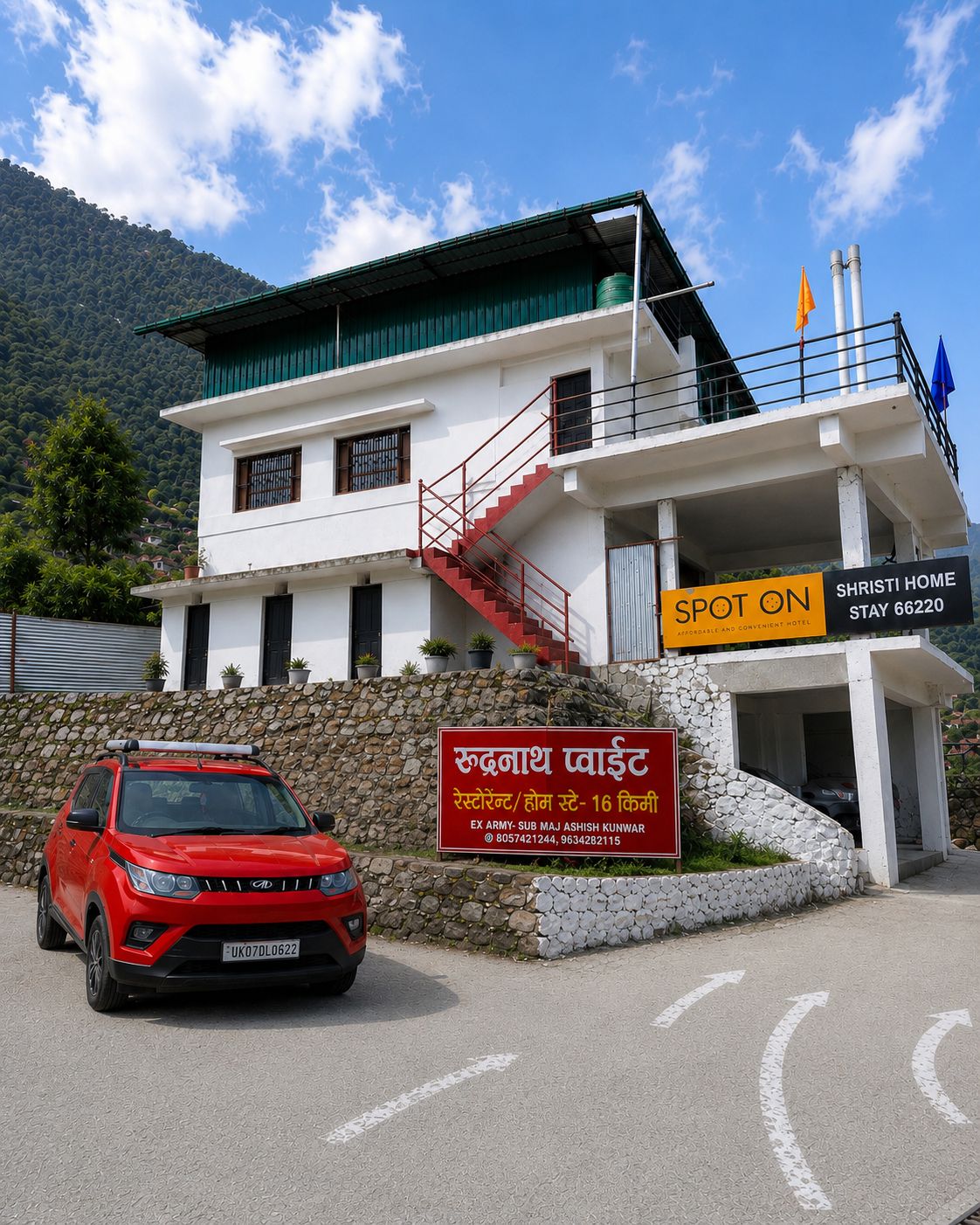
Self-drivers increasingly look for one thing before any sacred mountain trek: can I park and walk without worrying about the car all day? In the Gwar-side approach belt, that question is becoming easier to answer because local homestays and lodging pages prominently list parking. Srishti Homestay, for example, is currently listed with free self-parking, and other area stay listings around Gwar Dewaldhar point to the same wider roadside accommodation ecosystem. That makes Gwar especially practical for travelers arriving in their own vehicle.
On guides and trek support, Gwar again has a practical edge. Local listing platforms currently show trek- specific services such as Rudrnath Trek Guide and Rudranath Trekking Travels in the Gwar Dewaldhar area. That does not mean every guide is equal, but it does mean you can line up local trail support in the same settlement belt where you are sleeping, rather than trying to improvise after the climb has begun.
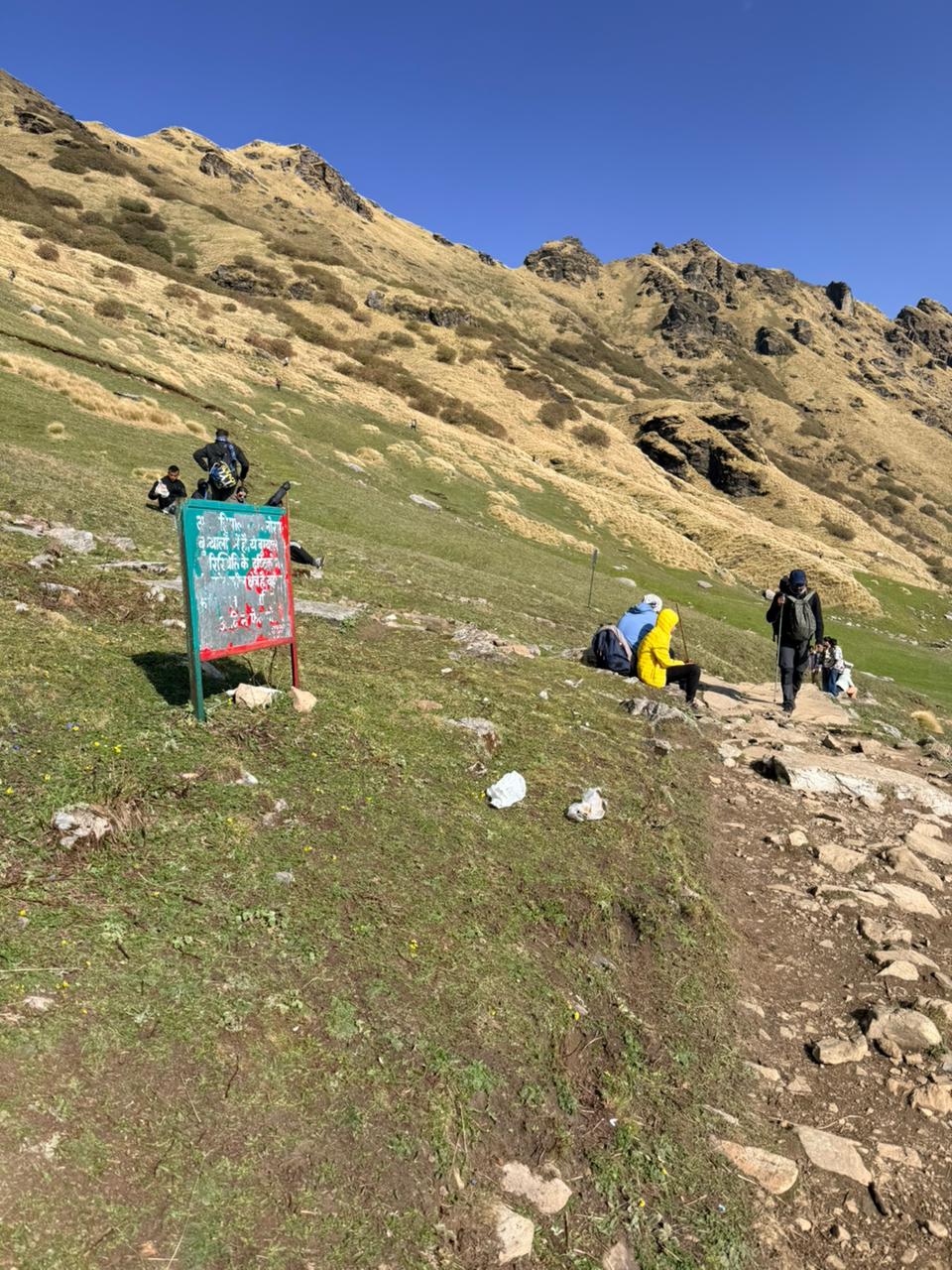
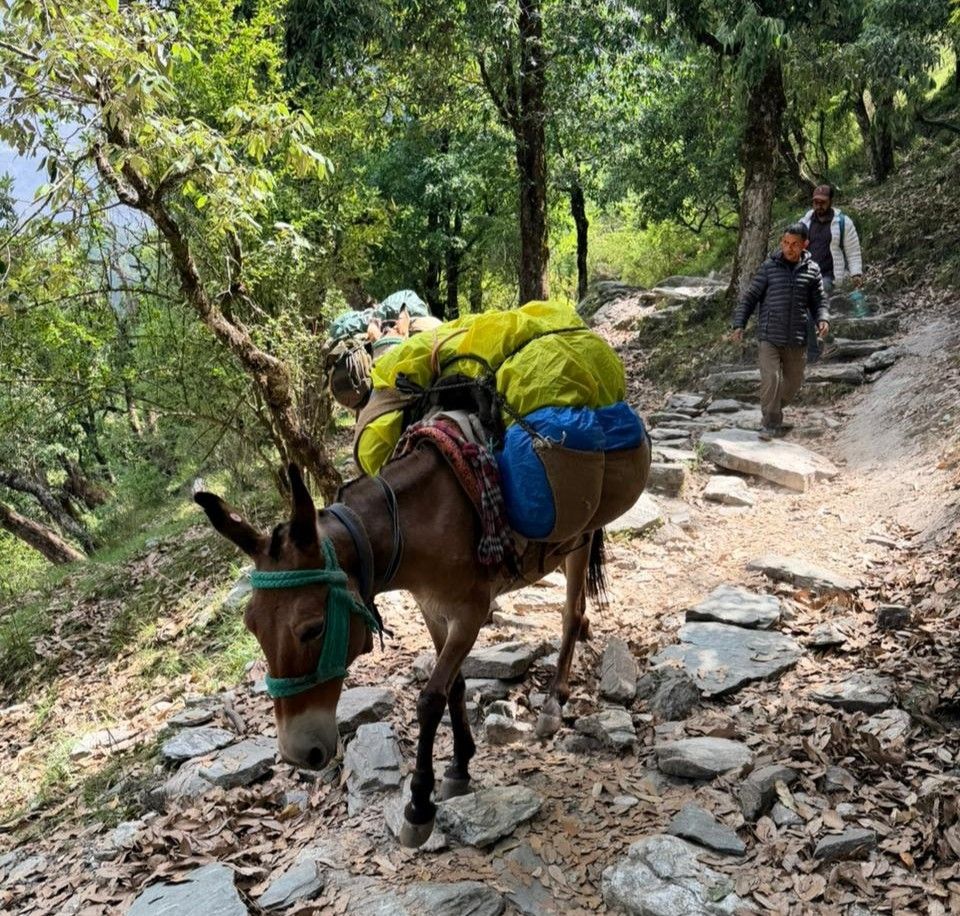
For porter or backpack support, do not expect Kedarnath-style large-scale pony infrastructure. Current Rudranath package pages do reference porter support or luggage-carrying as add-on services, which suggests help is available through local/organized arrangements, but this is still a far more self-reliant trail than the more developed pilgrimage routes. If you need assistance, arrange it before trek day rather than assuming it will materialize at the first bend.
Homestay in Gwar Village and accommodation near Rudranath Trek
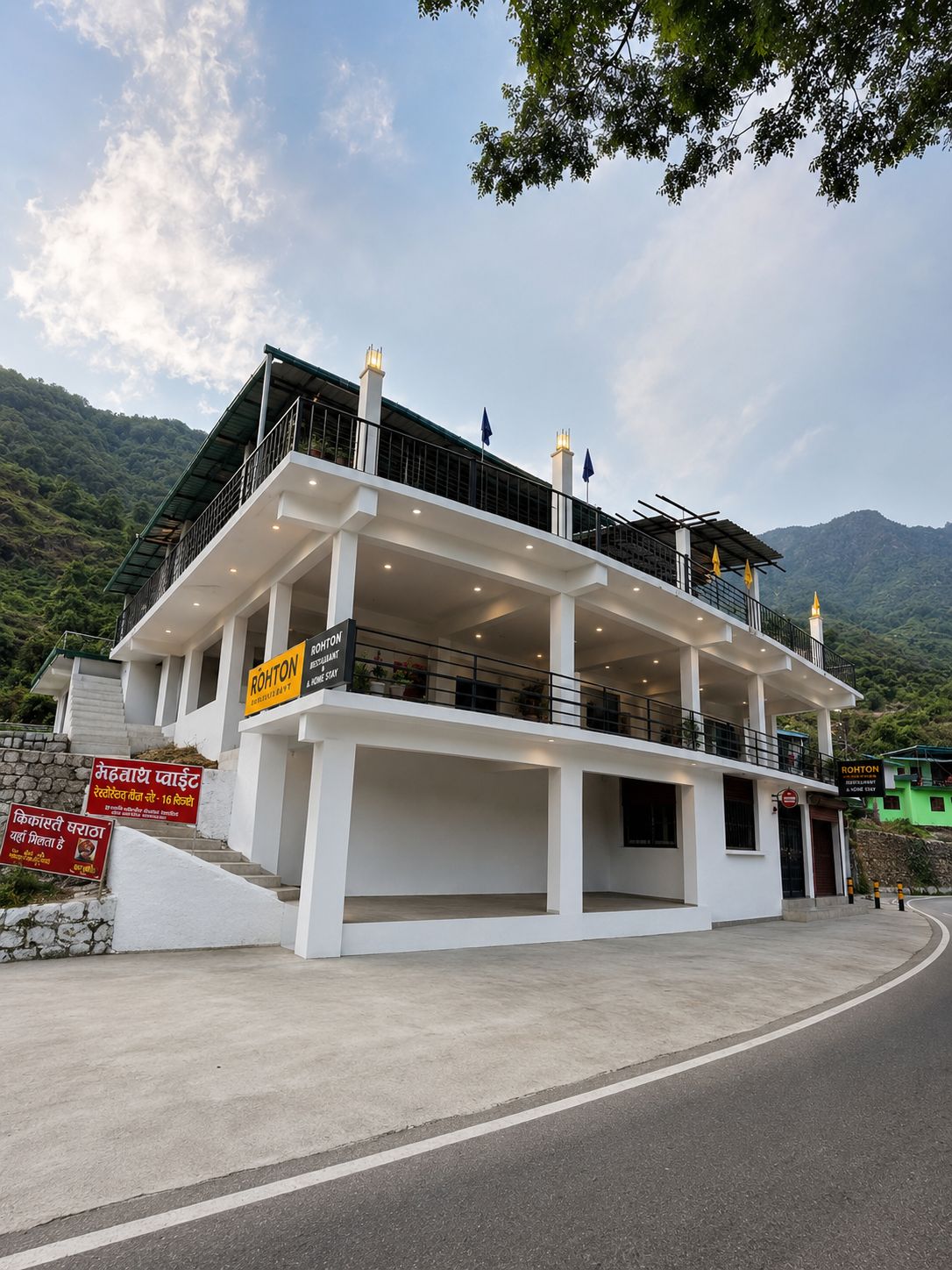
Accommodation on the Rudranath Temple Trek falls into two separate planning categories: the night- before base stay and the basic halts on the trail. For the first category, the most useful choices are now in Gopeshwar, Sagar, and especially Gwar Village. For the second, you are looking at camps or very simple dharamshala-style arrangements near Lyuti Bugyal and near the temple zone itself.
Accommodation Comparison Table
| Stay option | What you get | Best for | Main trade-off |
|---|---|---|---|
| Gopeshwar town | Larger gateway town, fuller market and more hotel choice. | Travelers arriving late or wanting town services before the trek. | Adds morning transfer time before reaching the trail side. |
| Gwar Village homestay belt | Quieter village stay, parking, local guide contacts and a close start. | The smartest balance for most independent trekkers. | Smaller stay inventory than a town, so advance booking is better. |
| Sagar-side simple stay | Classic trailhead identity and basic local accommodation. | Pilgrims loyal to the traditional named start of the route. | Less flexibility than the wider Gwar-side belt. |
| Lyuti Bugyal camps | Main on-trail meadow halt with seasonal food and tent options. | A sensible first trekking night before the upper route. | Very basic mountain comfort and limited facilities. |
| Rudranath temple area dharamshala or tents | Darshan proximity and an unforgettable high-altitude setting. | Those wanting sunrise, evening quiet or temple aarti access. | Extremely basic, cold and limited accommodation. |
If your question is simply where should trekkers stay before starting the Rudranath Trek, my practical answer is this: stay in Gwar Village if you want the best blend of calm, proximity, and trek-readiness; stay in Gopeshwar only if you need town conveniences badly enough to justify the extra morning movement.
Srishti Homestay – Accommodation at Rudranath Trek Base Point
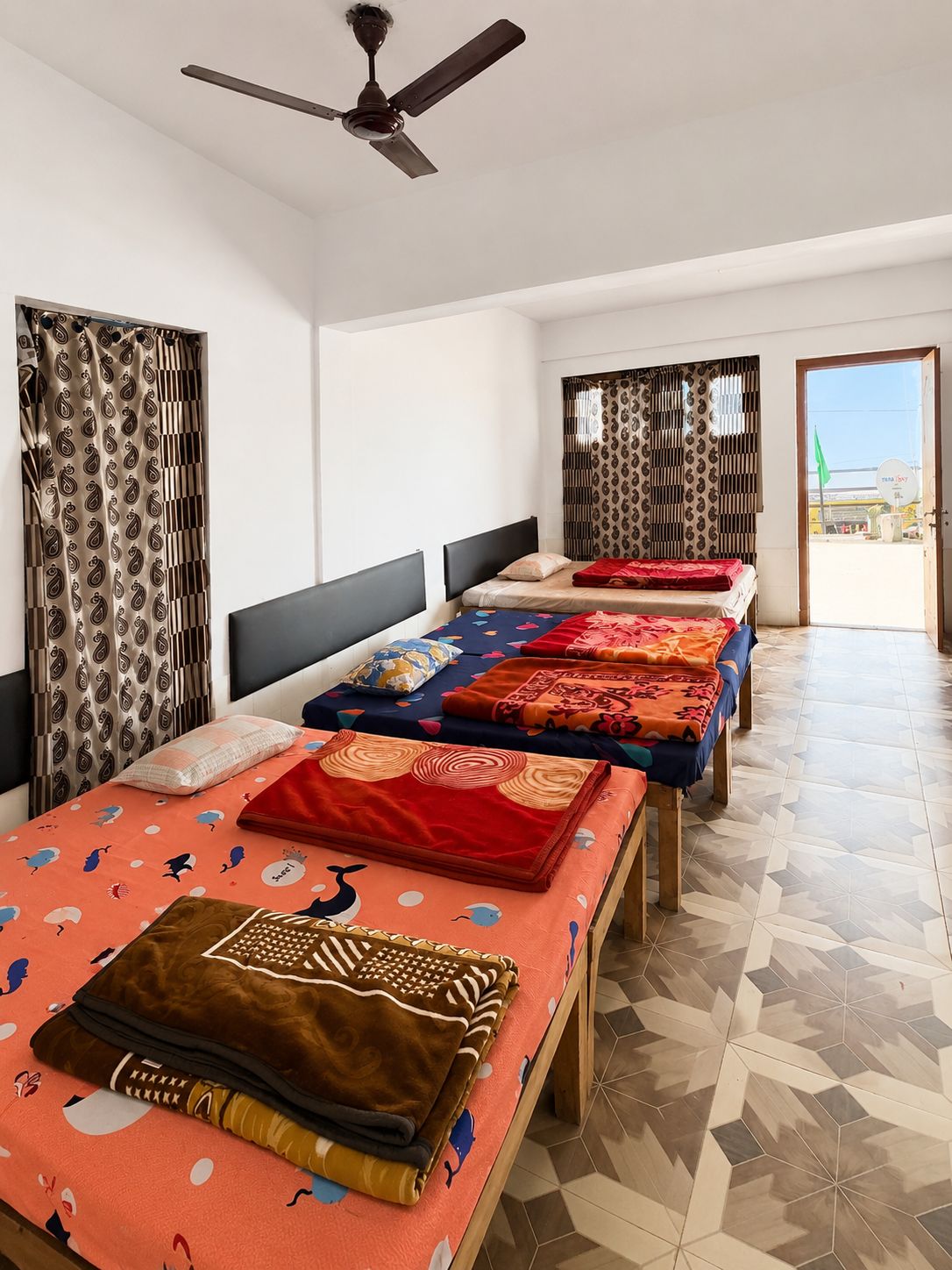
Among the current options in the Gwar–Gopeshwar approach corridor, Srishti Homestay is one of the more useful stays to know about if you are planning the Rudranath Trek. One reason it keeps coming up is location. Online listings place it on the Gopeshwar–Mandal / Kedarnath Link Road in the 246401 belt, with some services tagging it under Gwar Village and others under nearby Bairagana / Mandal / Gopeshwar naming conventions. That sounds messy until you understand the local road geography: many properties in this belt get indexed under slightly different nearby place names, but for trekkers the key fact is simpler—it sits on the same access corridor used before heading toward the Gwar–Sagar side of the Rudranath route.
In terms of accommodation style, Srishti Homestay appears to be a small, practical mountain property rather than a resort-style stay. Major booking platforms list it as a compact lodging unit with around eight rooms, though one aggregator shows a slight variation in room count, which is common for small independently managed properties. Current listing details mention free Wi-Fi, self-parking, luggage storage, laundry support, a smoke-free setting, and basic in-room comforts such as showers, bottled water, ceiling fans, and housekeeping. One platform also describes some rooms as mountain-facing, while local listing pages emphasize a peaceful environment, mountain views, power backup, and hot and cold running water. Put together, that reads like exactly what most trekkers need: straightforward comfort, not staged luxury.
the availability of simple, hygienic, home-style meals. That is important because the most valuable dinner on the Rudranath route is not the most elaborate one; it is the one served on time, warm, and with enough notice for an early breakfast the next morning. If you stay here before the trek, the smart move is to confirm dinner timing, breakfast timing, and whether they can help with a packed snack or lunch for the trail. Mountain logistics improve dramatically when these tiny details are fixed the previous evening.
The tone of the property also looks right for a mixed group. Current booking descriptions describe it as a welcoming, homelike, and family-friendly place suitable for both solo travelers and families. That matters because the Rudranath Temple Trek attracts a very mixed crowd: serious trekkers, pilgrims, friend groups, photographers, and couples doing a slow devotional trip. A homestay that can comfortably handle both a walking group and a family with a slower pace is usually a better base than something that feels either too bare-bones or too detached from local mountain life.
What really makes Srishti Homestay relevant for trekkers, though, is functional convenience. Current listings show free parking, and the property’s position on the approach road means you are not wasting trek morning solving a transportation problem that could have been solved the previous night. You can arrive, leave extra town clothes in your bag, repack only what you need for the trail, top up devices while there is still signal and electricity, and head out with much less friction. On a route where the trail itself is already demanding, fewer moving parts before sunrise is a genuine advantage.
So is Srishti Homestay the right pick for everyone? Not necessarily. If you want a wider market, ATMs, and more transport fallback, Gopeshwar town still has obvious advantages. But if your focus is squarely the Rudranath Trek, and you want Accommodation Near Rudranath Trek that helps rather than distracts from your start, Srishti is one of the more sensible and natural recommendations in the current Gwar-side planning conversation. It is not compelling because it is flashy. It is compelling because for one night before the trek, it solves the right problems: access, rest, parking, warmth, and a clean early start.
Accommodation, Food & Trek Services on the Rudranath Trek
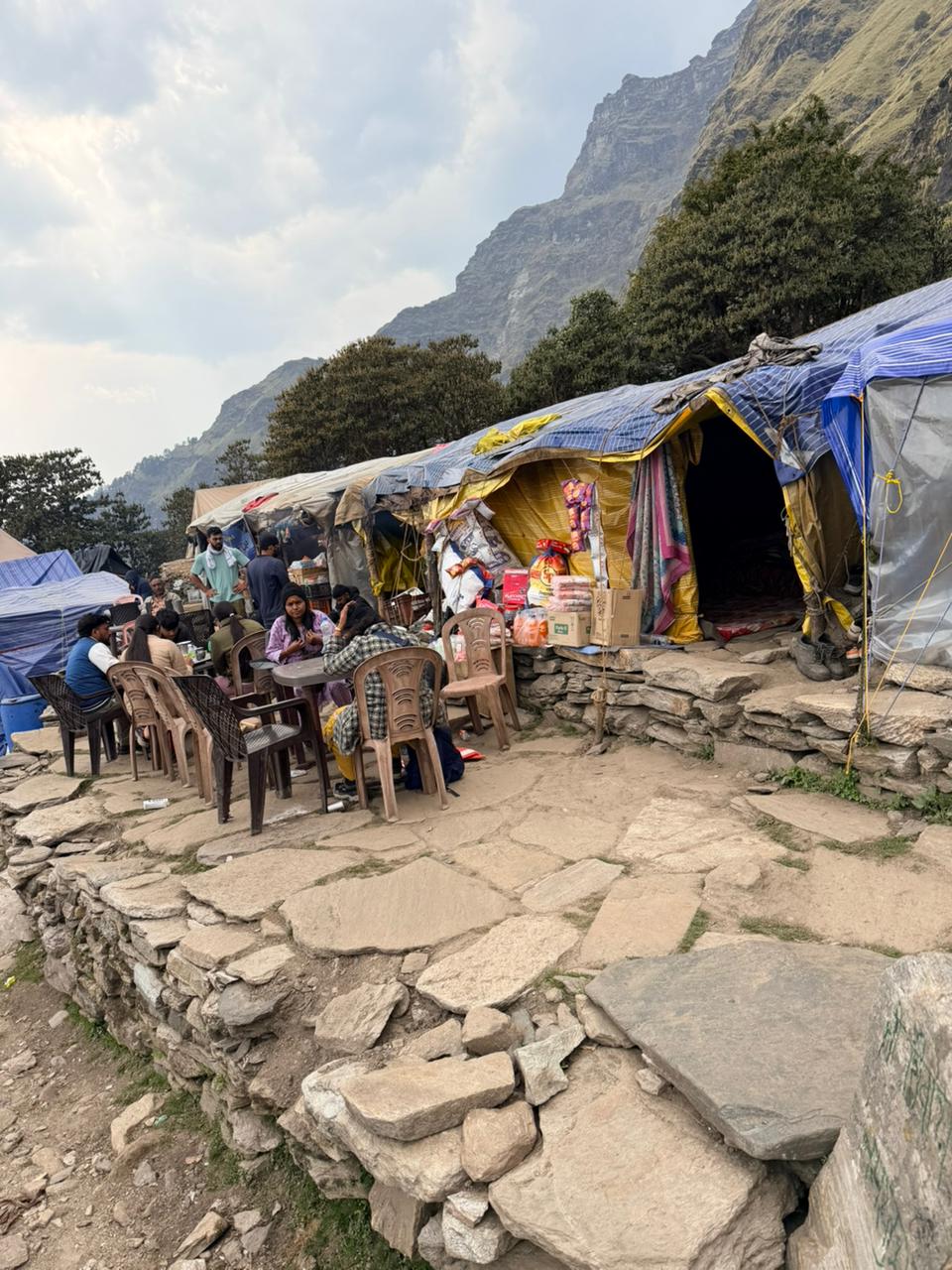
These facilities and food options are available at various points along the Rudranath Trek route, helping trekkers enjoy a more comfortable and memorable pilgrimage experience.
If you plan to stay overnight at Lyuti Bugyal, shared accommodation in a camp or tent is available. Includes night stay and dinner.
Near Rudranath Temple, you can stay in a camp, tent, or traditional mountain house on a sharing basis. Includes night stay and dinner.
For those who prefer not to walk the entire trek, horse and trekking guide services are available from the road head to Rudranath Temple and back.
If you would like to transport your luggage to higher camps, mule services are available for luggage transportation to the upper camps and return.
Food & Beverage Prices on the Trek
Aloo Parantha – INR 40
Maggi – INR 40
Tea – INR 20
Coffee – INR 40
Poha – INR 50
Malta Juice – INR 20
Buransh Juice – INR 20
Lemon Juice – INR 30
Trail experience and preparation
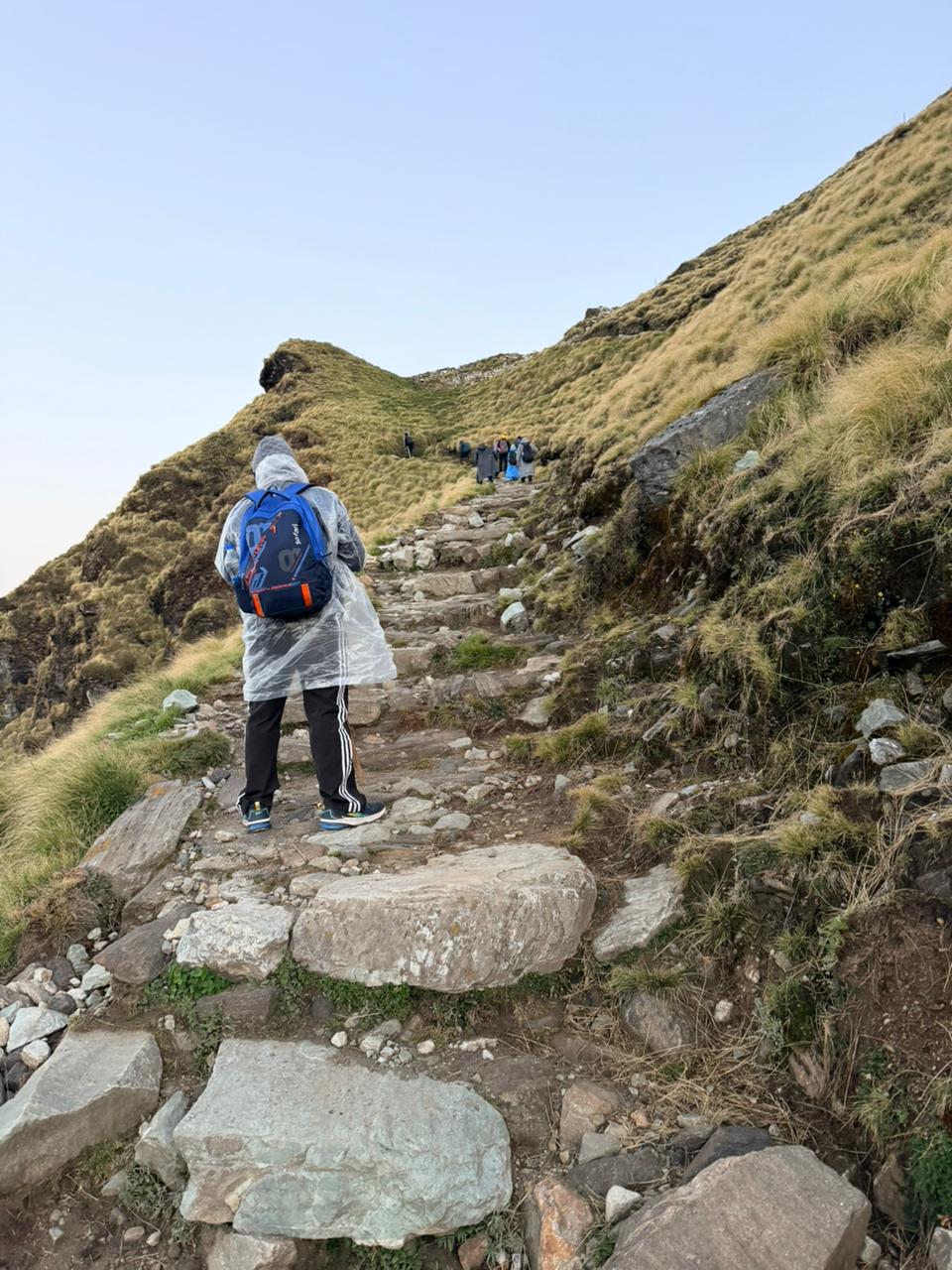
Day by day itinerary from Gwar and the Sagar side
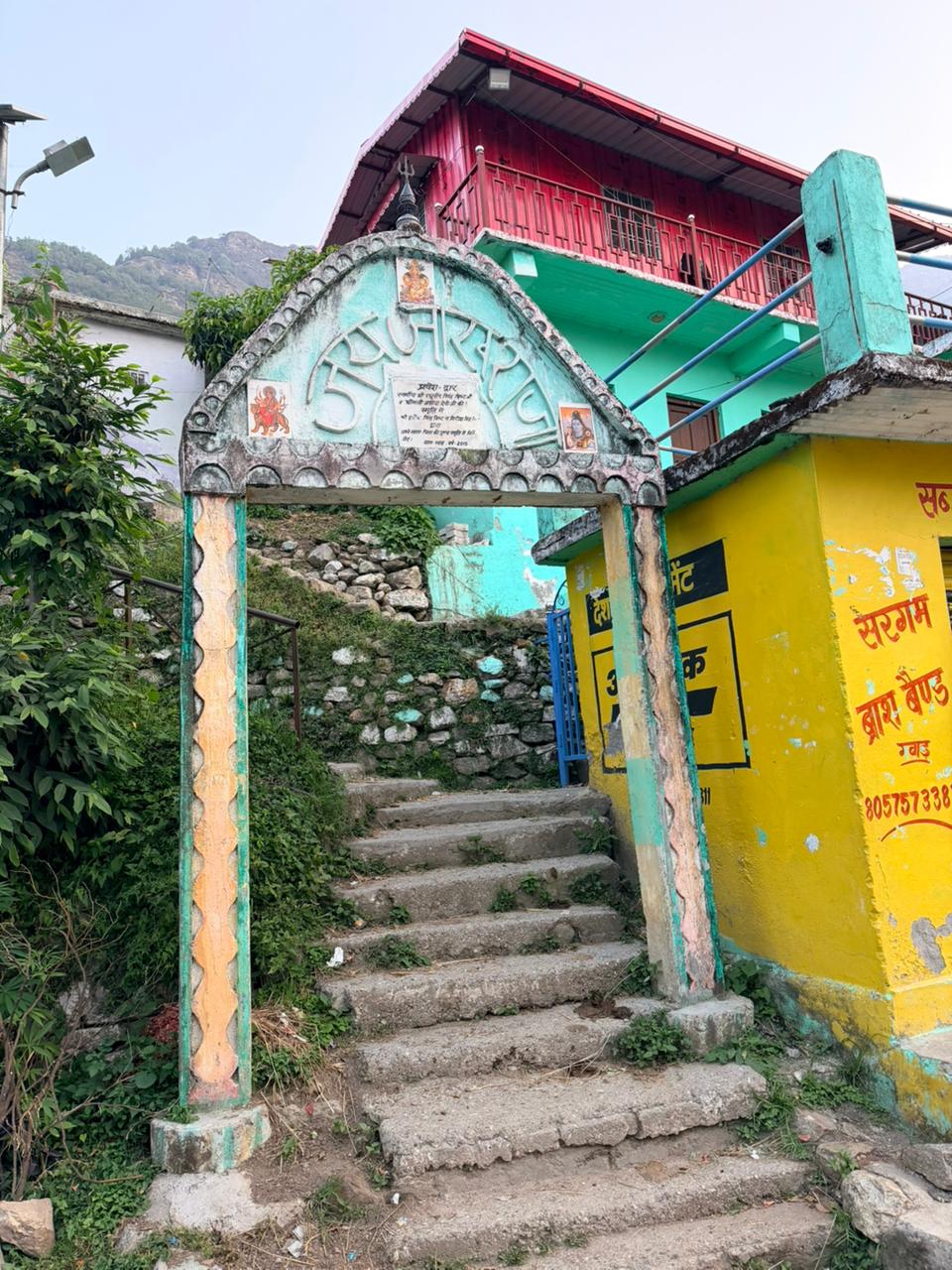
Most travelers will enjoy Rudranath more with a four- to five-day window, including the road approach. The cleanest version begins with arrival in Gwar Village or the Sagar-side access belt, followed by a first trekking halt at Lyuti Bugyal, then a longer upper-route day to Rudranath Temple, and finally a descent day back toward the base. Very fit pilgrims do compress this, but the mountain does not reward overconfidence.
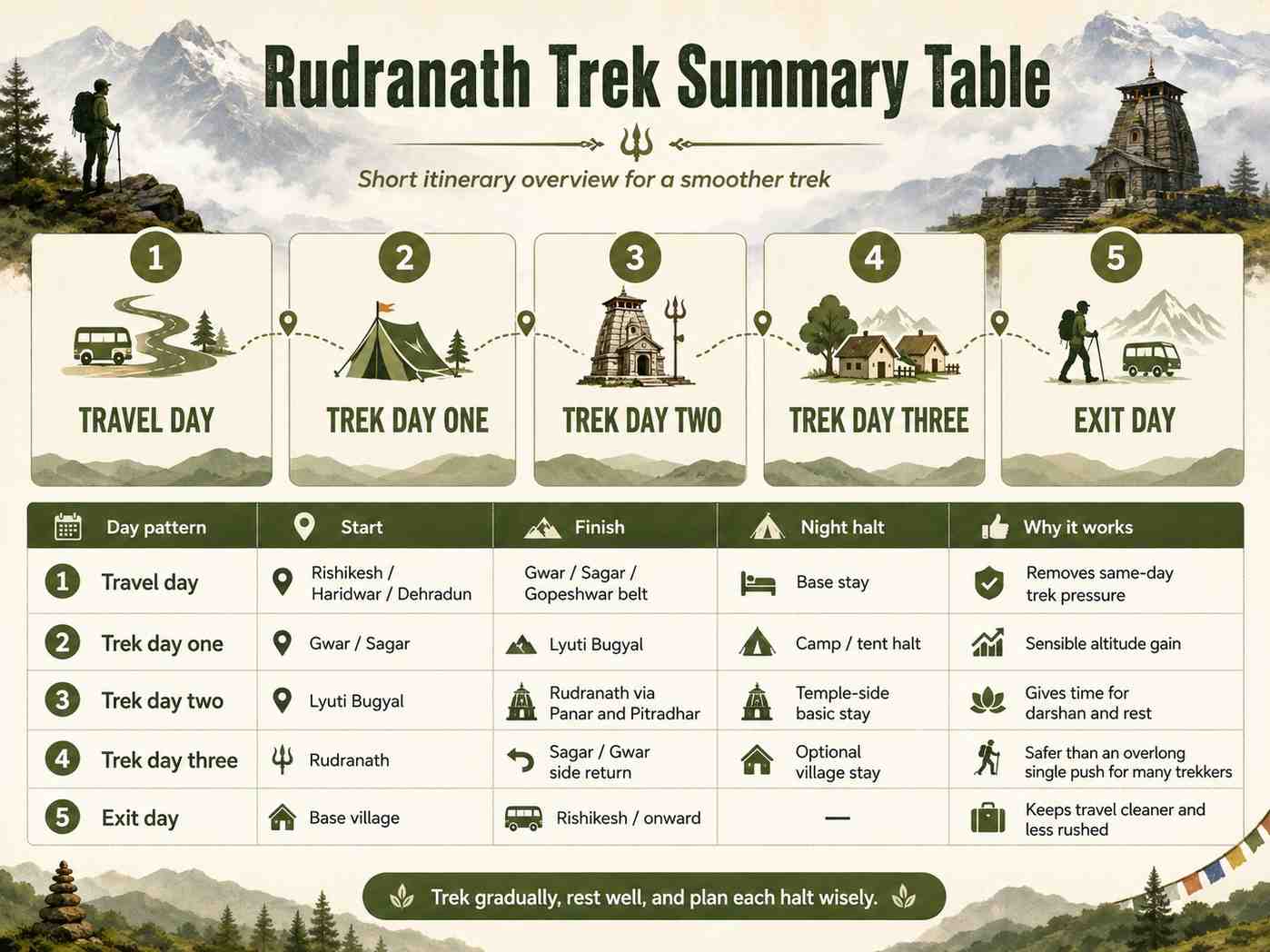
Rudranath Trek Summary Table
| Day pattern | Start | Finish | Night halt | Why it works |
|---|---|---|---|---|
| Travel day | Rishikesh / Haridwar / Dehradun | Gwar / Sagar / Gopeshwar belt | Base stay | Removes same-day trek pressure and allows better rest. |
| Trek day one | Gwar / Sagar | Lyuti Bugyal | Camp / tent halt | Sensible altitude gain and a practical first trekking night. |
| Trek day two | Lyuti Bugyal | Rudranath via Panar and Pitradhar | Temple-side basic stay | Gives enough time for darshan, rest and temple-side experience. |
| Trek day three | Rudranath | Sagar / Gwar side return | Optional village stay | Safer than an overlong single push for many trekkers. |
| Exit day | Base village | Rishikesh / onward | — | Keeps return travel cleaner and less rushed. |
If you want the classic experiential rhythm, sleep once at Lyuti and once near Rudranath. That lets you see why the trek is loved: the long forest ascent, the ridge opening, the weather-turning mood near Pitradhar, and the strange stillness around the temple after the day crowd thins out. If you only do the walk as a fast up-and-down target, you may get darshan, but you miss much of what makes the Rudranath Temple Trek unforgettable.
Altitude profile and acclimatization strategy
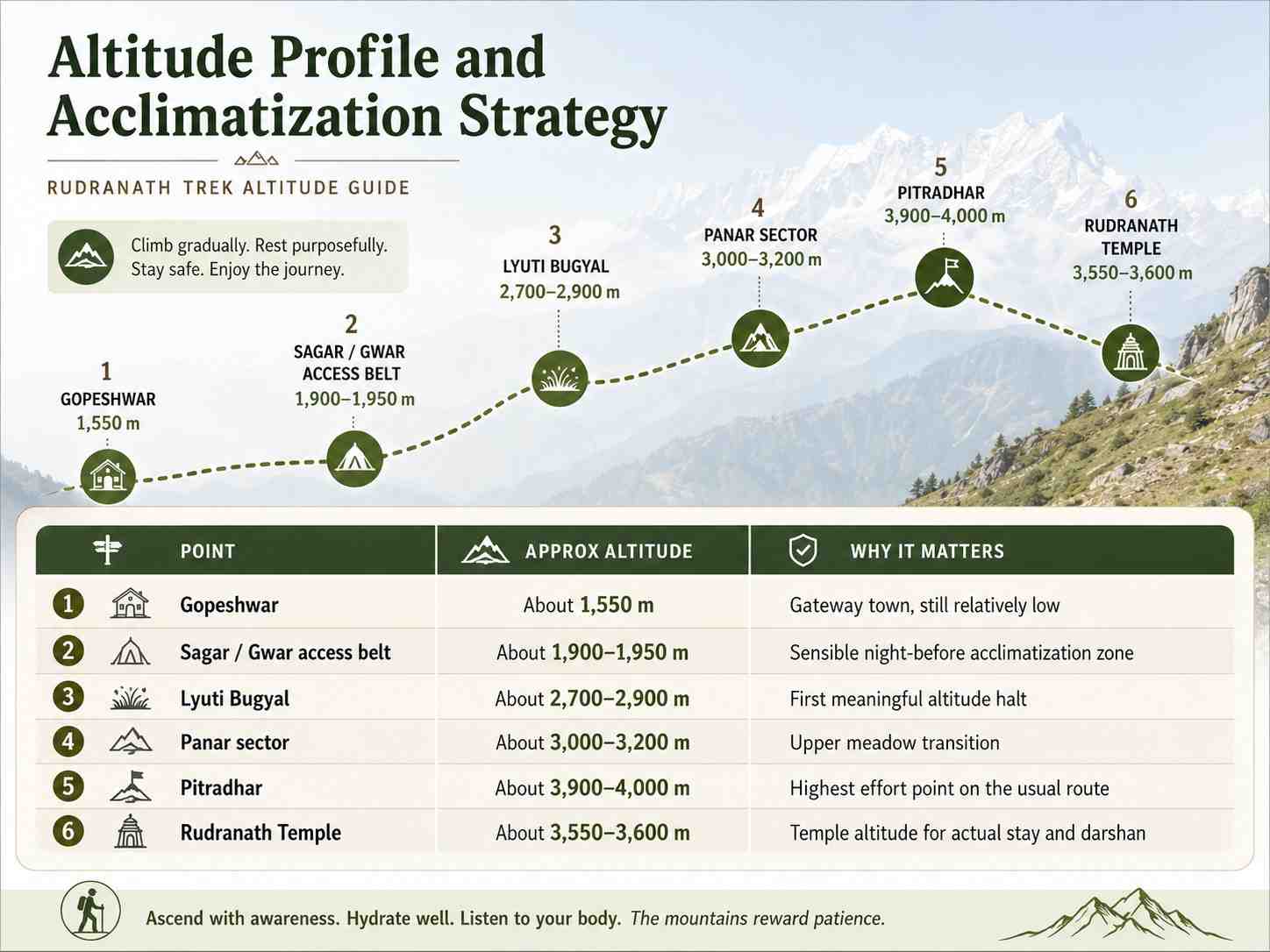
Rudranath does not usually produce fear because of a single dramatic climb. It wears people down through cumulative gain. You come from the lower Garhwal roadhead, climb steadily through forest, sleep higher at Lyuti, then continue to a route that rises again toward Pitradhar before dropping to the temple. That “climb high, then finish lower” profile is beautiful, but it can also be deceptive if you under-hydrate or rush the first day.
Altitude Chart
| Point | Approx altitude | Why it matters |
|---|---|---|
| Gopeshwar | About 1,550 m | Gateway town and still relatively low for a first halt. |
| Sagar / Gwar access belt | About 1,900–1,950 m | Sensible night-before acclimatization zone. |
| Lyuti Bugyal | About 2,700–2,900 m | First meaningful altitude halt on the trail. |
| Panar sector | About 3,000–3,200 m | Upper meadow transition where pacing becomes important. |
| Pitradhar | About 3,900–4,000 m | Highest effort point on the usual route. |
| Rudranath Temple | About 3,550–3,600 m | Temple altitude for actual stay and darshan. |
The safest acclimatization strategy is basic but effective: sleep in the approach belt before trekking, do not race the climb to Lyuti, and keep a deliberately easy pace on the temple day until after Pitradhar. Trekkers who already live at sea level and attempt to combine the long drive, poor sleep, and a too-fast ascent often discover that Rudranath is harder on energy than on technique.
Weather by season and the best time to trek
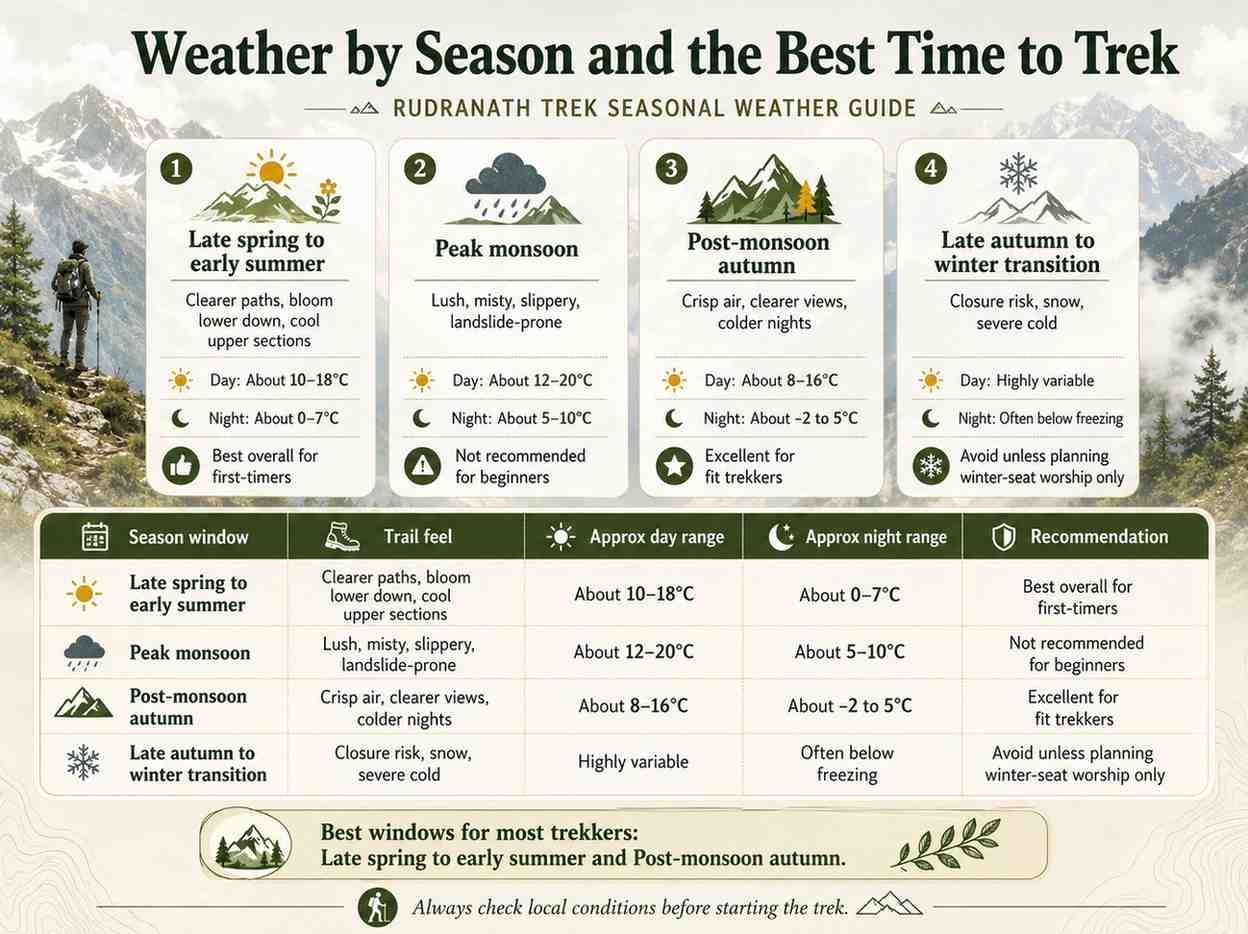
periods for clear trails, cleaner views, and safer conditions than the monsoon months. Early summer gives greener slopes and rhododendron energy lower down; post-monsoon gives clearer light, sharper mountain outlines, and often fewer crowds.
Weather Chart
| Season window | Trail feel | Approx day range | Approx night range | Recommendation |
|---|---|---|---|---|
| Late spring to early summer | Clearer paths, bloom lower down and cool upper sections. | About 10–18°C | About 0–7°C | Best overall for first-time trekkers. |
| Peak monsoon | Lush, misty, slippery and landslide-prone trail conditions. | About 12–20°C | About 5–10°C | Not recommended for beginners. |
| Post-monsoon autumn | Crisp air, clearer views and colder nights. | About 8–16°C | About -2 to 5°C | Excellent for fit trekkers and photographers. |
| Late autumn to winter transition | Closure risk, snow possibility and severe cold. | Highly variable | Often below freezing | Avoid unless planning winter-seat worship only. |
The monsoon deserves special caution. Multiple 2026 sources warn of slippery trails, road blockages, reduced visibility, swollen streams, and landslide risk on the Rudranath approaches, and Uttarakhand’s heavy recent monsoon pattern only reinforces that warning. Yes, the meadows look magical in rain. No, that does not make July and August a smart first visit.
What to pack for the Rudranath Trek
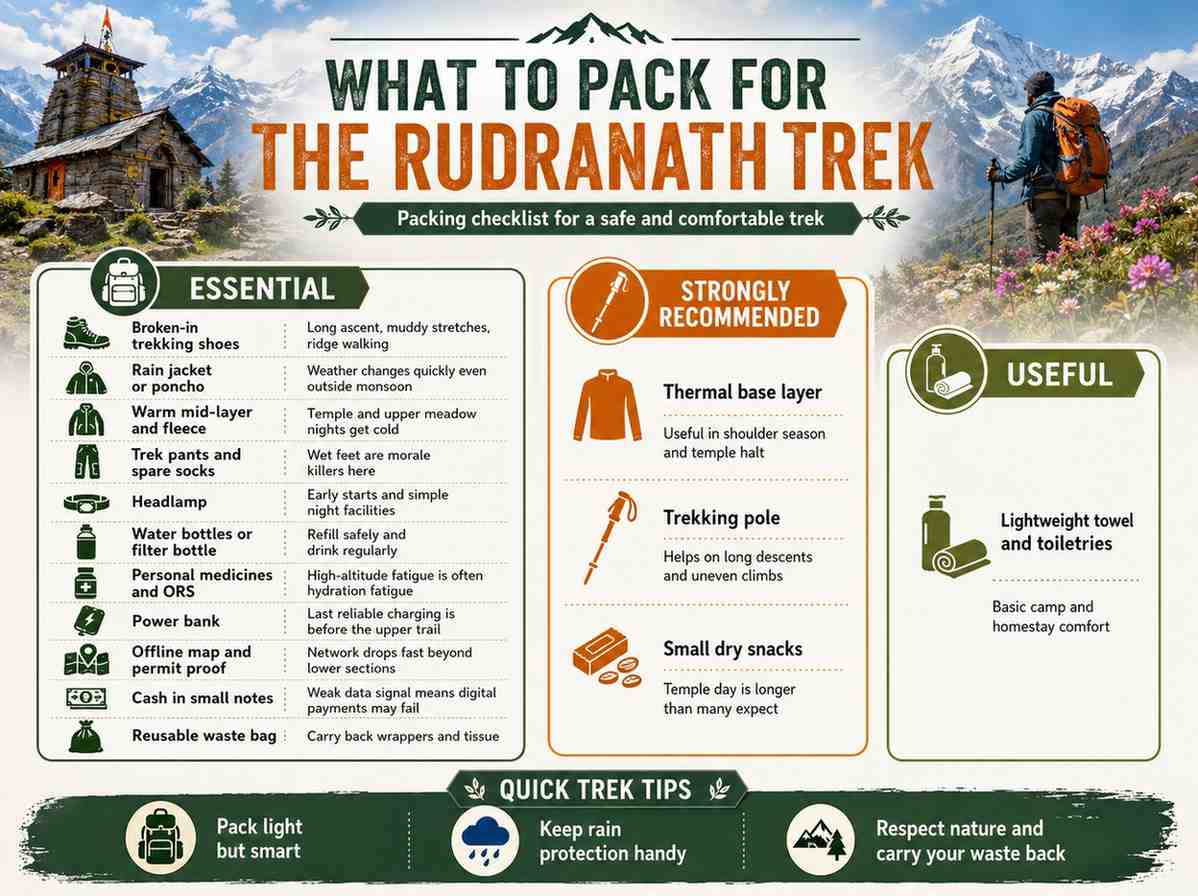
Packing for Rudranath is less about extreme-expedition equipment and more about layering, dryness, and self-reliance. Because the trail moves through forest, open bugyal, ridge weather, and a cold temple zone, you need clothing that can adapt during the same day. Updated trek pages repeatedly emphasize warm layers, rain protection, proper shoes, a personal medical kit, and offline navigation because of weak network beyond the lower approach.
Packing Checklist Table
| Item | Why it matters on this trek | Priority |
|---|---|---|
| Broken-in trekking shoes | Long ascent, muddy stretches and ridge walking. | Essential |
| Rain jacket or poncho | Weather changes quickly even outside the monsoon. | Essential |
| Warm mid-layer and fleece | Temple and upper meadow nights get cold. | Essential |
| Thermal base layer | Useful in shoulder season and during a temple halt. | Strongly recommended |
| Trek pants and spare socks | Wet feet are morale killers on long Himalayan trails. | Essential |
| Headlamp | Needed for early starts and simple night facilities. | Essential |
| Water bottles or filter bottle | Helps you refill safely and drink regularly. | Essential |
| Trekking pole | Supports knees on long descents and uneven climbs. | Strongly recommended |
| Personal medicines and ORS | High-altitude fatigue is often linked with dehydration. | Essential |
| Power bank | Last reliable charging is usually before the upper trail. | Essential |
| Offline map and permit proof | Network drops fast beyond lower sections. | Essential |
| Cash in small notes | Weak data signal means digital payments may fail. | Essential |
| Small dry snacks | Temple day is longer than many trekkers expect. | Strongly recommended |
| Lightweight towel and toiletries | Useful for basic camp and homestay comfort. | Useful |
| Reusable waste bag | Carry back wrappers, tissue and small plastic waste. | Essential |
The single most forgotten item is not some rare gadget. It is a realistic idea of how cold and basic the upper trail can feel after sunset. Pack for a mountain night, not for a day drive in Uttarakhand.
Important Things to Know Before Starting the Rudranath Temple Trek

The Rudranath Temple Trek is one of the most beautiful and spiritual treks in Uttarakhand, but it is also challenging. Before starting your journey, it is important to be well prepared. Below are some common challenges trekkers face and useful tips to make your trek safe and enjoyable.
Mobile network coverage is very limited throughout the trek. In most areas, only Jio works, and even then you may get just one signal bar. Do not rely on mobile internet or regular phone calls during the trek.
Fresh mountain water is available at several points along the route. However, it is recommended to carry at least 2–3 water bottles with you, especially during long trekking stretches.
Food is not easily available throughout the trek. Carry snacks such as biscuits, fruits, dry fruits, energy bars, and namkeen to keep yourself energized.
If you find accommodation at camps or shelters, you may need to share sleeping space with 20 or more trekkers in a single camp. Be prepared for basic facilities and shared arrangements.
One of the biggest challenges on the trek is the lack of proper toilet facilities. Government-installed portable toilets are often overcrowded or blocked. This can be especially difficult for female trekkers.
Take only one backpack and avoid carrying unnecessary items. A lightweight bag will make the trek much easier and more comfortable.
Weather conditions can change quickly in the mountains. Carry a good-quality raincoat or poncho, as rainfall is common even during the trekking season.
Do not attempt the trek without a bamboo stick or trekking pole. It provides excellent support on steep climbs and descents and helps reduce fatigue.
If you plan to trek before sunrise or after sunset, carry a powerful flashlight or headlamp with extra batteries.
Since electricity is limited and mobile usage can drain your battery, carry a fully charged power bank to keep your phone operational.
Even during summer, temperatures at higher altitudes and bugyals can become very cold, especially at night. Carry a warm jacket, thermal layers, gloves, and woolen clothing.
Always carry a basic first aid kit containing pain relievers, bandages, antiseptic cream, personal medications, and medicines for altitude-related discomfort.
The Rudranath Trek offers breathtaking landscapes, alpine meadows, forests, and Himalayan views. If you enjoy photography, consider carrying a high-quality camera, tripod, or gimbal.
Because mobile signals are weak or unavailable, download your favorite devotional songs, bhajans, podcasts, maps, or playlists before starting the trek.
Food water toilets and real trail comfort
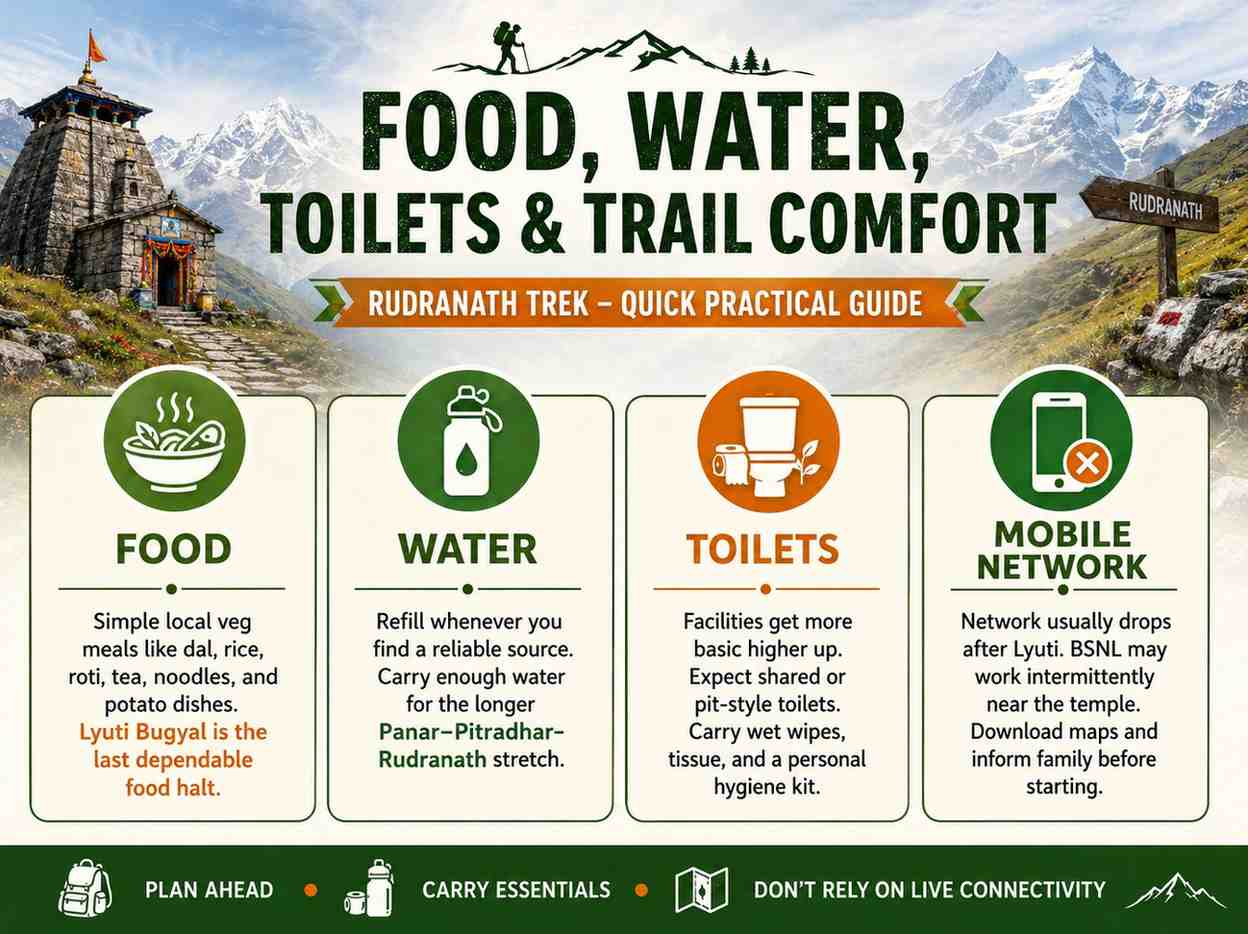
Food on the Rudranath route is improving, but it remains simple, seasonal, and very local. Recent route updates describe Lyuti Bugyal as the last dependable food-and-tent halt before the harder upper section, while temple-side stays are still basic dharamshala or tent-style arrangements rather than fully serviced lodges. That means you should expect dal, rice, roti, tea, noodles, potato-based meals, and straightforward vegetarian trekking food rather than menu choice.
Water is available, but you should not walk assuming convenience at every bend. Refill whenever a reliable source is available and carry enough to cover the longer Panar–Pitradhar–Rudranath push. Toilets become progressively more basic higher up, and in many halts “basic” can mean seasonal pit-style setups or limited shared facilities. This is a trek where wet wipes, tissue, and a personal hygiene kit are not extras; they are comfort insurance.
One final comfort reality: mobile network usually drops after Lyuti, with BSNL sometimes working intermittently near the temple and other networks often failing much earlier. Download maps, tell family your rough movement plan before you leave the lower roadhead, and do not assume you can call for a weather consult from the ridge.
Costs safety and sustainability
How difficult the Rudranath Temple Trek really is
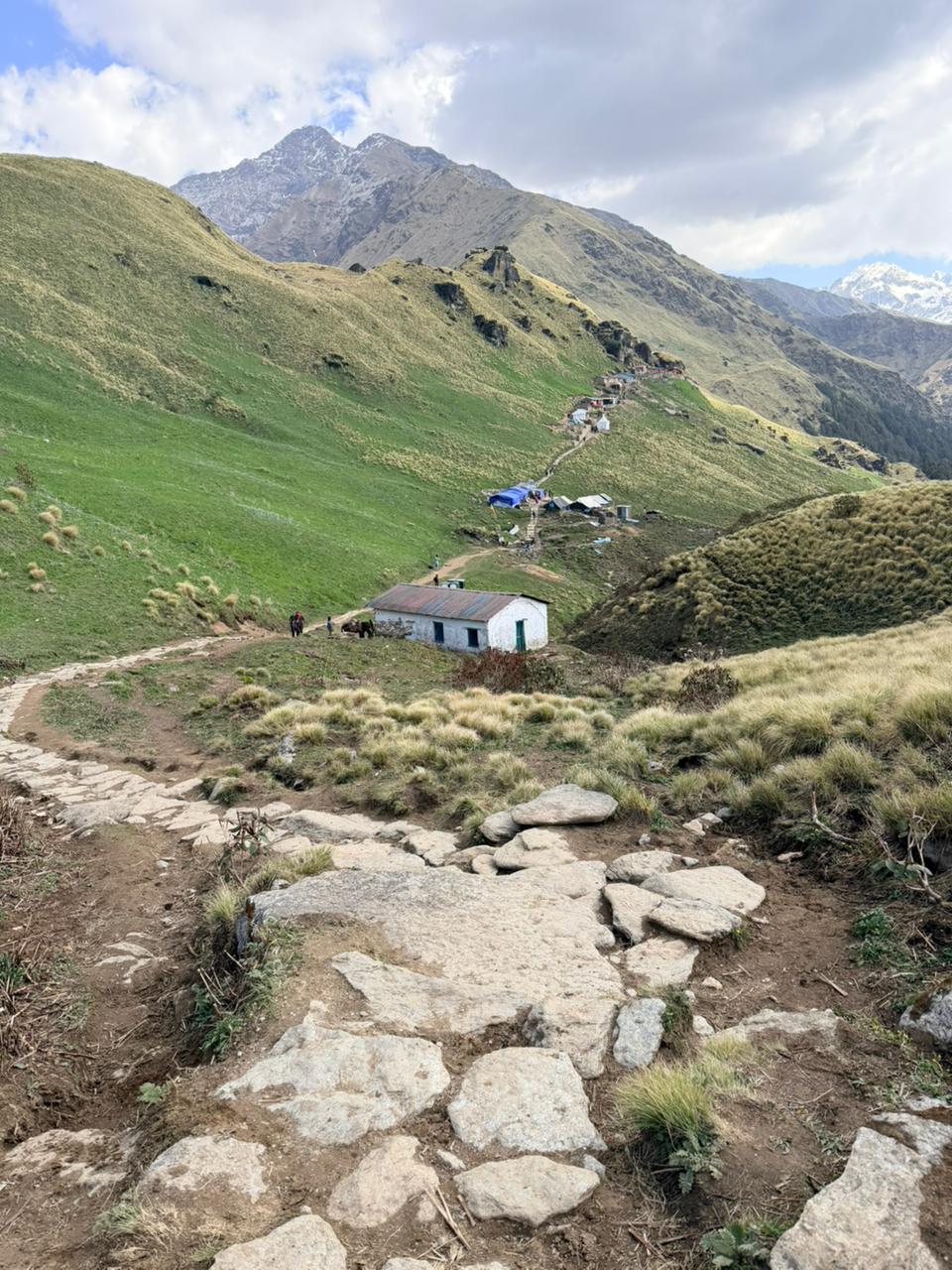
The most honest answer is this: the Rudranath Temple Trek is difficult in the way a real mountain pilgrimage is difficult. Not technically. Not rope-and-ice difficult. But heavily demanding in terms of distance, cumulative ascent, weather exposure, and fatigue management. Updated trekking sources consistently label it moderate to difficult, and recent difficulty comparisons explain why: unlike the more built-up Kedarnath route, Rudranath gives you a much more natural trail, fewer support systems, and little margin for poor pacing.
That said, the difficulty is manageable if you respect the structure of the trek. The climb to Lyuti Bugyal is not extreme, but it sets the tone. The upper day through Panar and Pitradhar adds altitude and weather exposure. The descent can be deceptively hard on knees and concentration. This is why so many experienced trekkers call Rudranath the most strenuous or spiritually demanding of the Panch Kedar walks even when official permit pages use the softer label “moderate.” Both descriptions are true in their own context.
My practical test is simple. If you can train for a month, walk regularly, and keep one spare buffer day in your plan, Rudranath is a brilliant challenge. If you want to “wing it” after a road trip and hope devotion alone will solve hydration, weather, and altitude, you are choosing the wrong trail to improvise on.
Budget breakdown for different travel styles
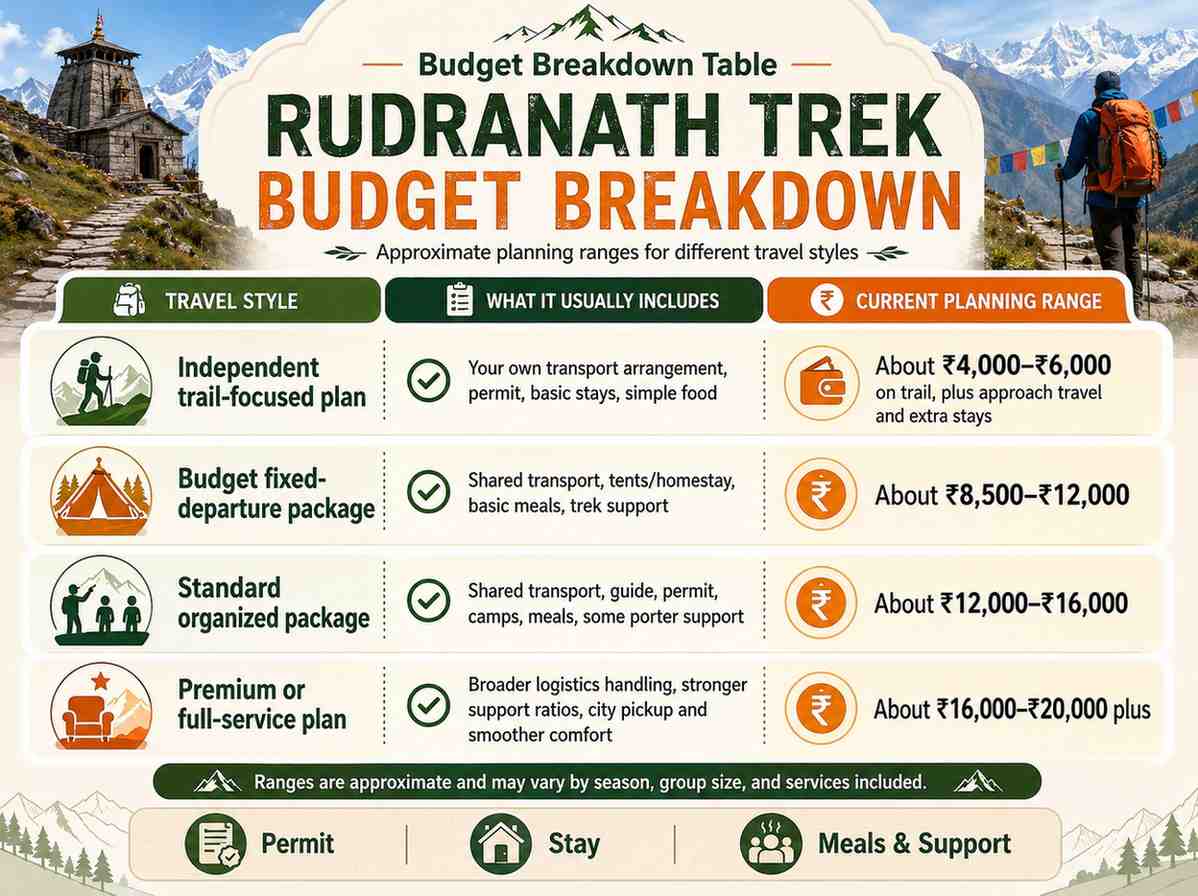
Rudranath can still be done on a modest budget, but costs widen quickly depending on how much support you buy. Recent 2026 package pages place fixed-departure and organized trek pricing anywhere from the high single-digit thousands to the mid-teen thousands, while one recent cost breakdown estimates a self-organized on-trail version at about ₹4,000–₹6,000, plus your transport and city stays. The right way to look at cost is not “cheap versus expensive,” but how much logistics you want solved for you.
Budget Breakdown Table
| Travel style | What it usually includes | Current planning range |
|---|---|---|
| Independent trail-focused plan | Your own transport arrangement, permit, basic stays and simple food. | About ₹4,000–₹6,000 on trail, plus approach travel and extra stays. |
| Budget fixed-departure package | Shared transport, tents or homestay, basic meals and trek support. | About ₹8,500–₹12,000 |
| Standard organized package | Shared transport, guide, permit, camps, meals and some porter support. | About ₹12,000–₹16,000 |
| Premium or full-service plan | Broader logistics handling, stronger support ratios, city pickup and smoother comfort. | About ₹16,000–₹20,000 plus |
For many travelers, the sweet spot is still a basic local stay in the Gwar Village belt plus a carefully chosen guide or small operator if needed. That keeps the experience rooted in the route while removing the biggest planning failures: late starts, no permit, and poor upper-trail pacing.
Where to stay on the trail and near the trek
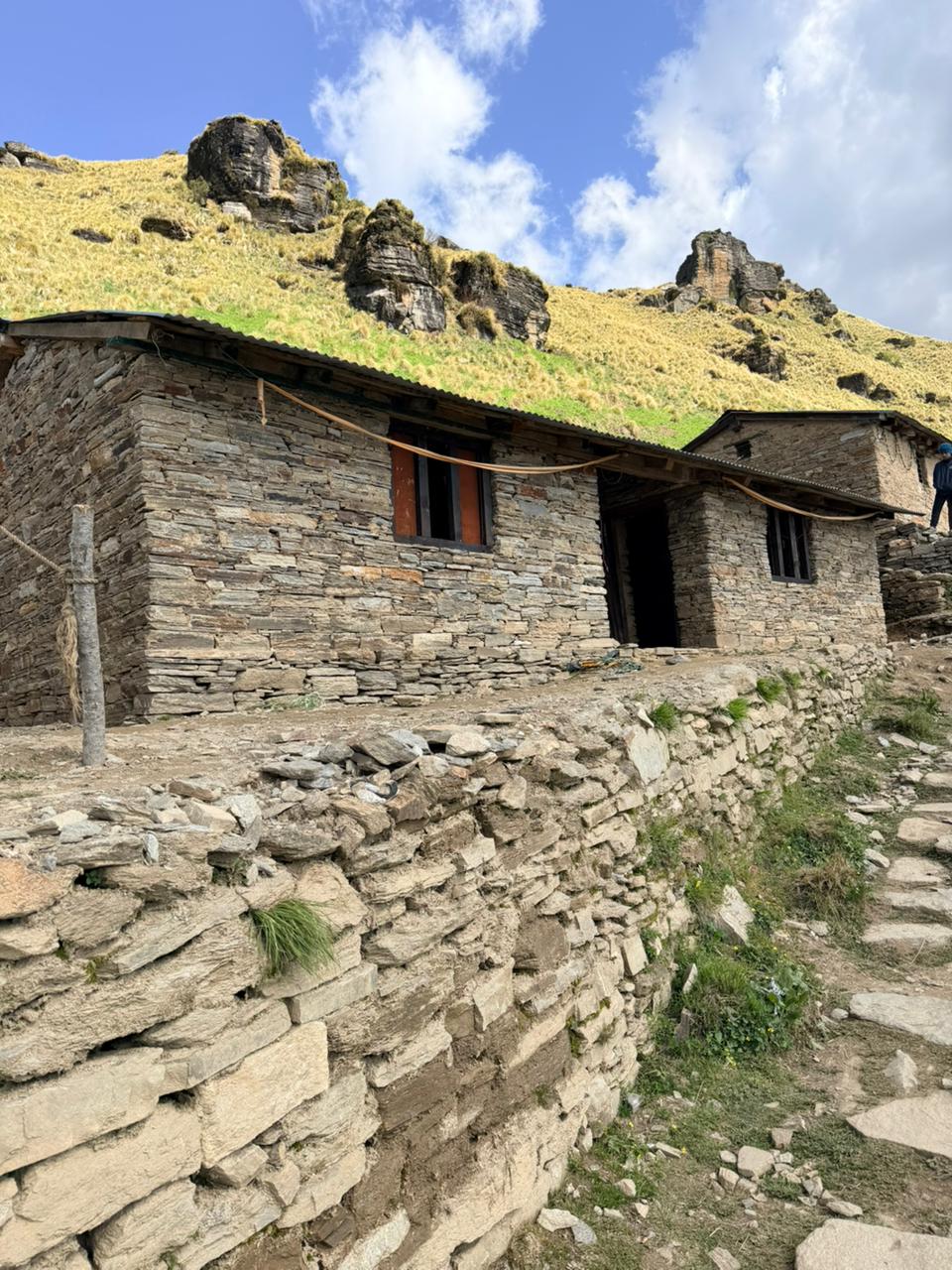
If you want the clearest accommodation strategy, divide the journey into three stay categories. First is the night-before base: Gwar Village, Sagar, or Gopeshwar. Second is the main trekking halt, usually Lyuti Bugyal. Third is the temple-side halt, where you should expect only very simple dharamshala or tent- based arrangements. That pattern is stable across current route guides.
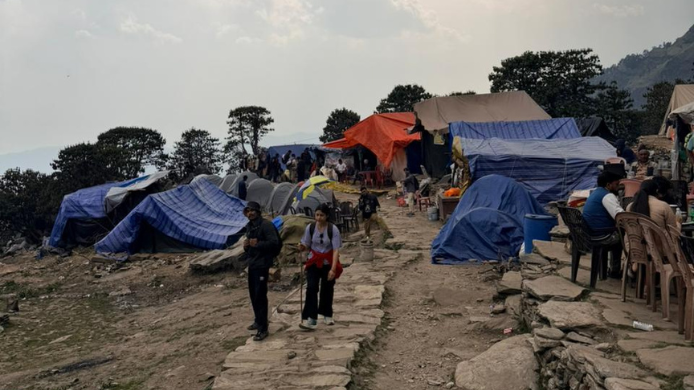
What has changed in recent seasons is the importance of Lyuti. Multiple recent route notes now describe it as the last reliable campsite with food before the harder day, and several sources say camping at Panar is more restricted than it used to be. For most walkers, that makes Lyuti the best-balanced upper halt: scenic, practical, and better aligned with current trail management.
Near the temple, keep expectations low and gratitude high. You are there for proximity to darshan, evening quiet, dawn atmosphere, and the experience of the place itself—not for creature comforts. A little humility goes a long way on the Rudranath route.
Safety permits and emergency information
This is one of the most important practical distinctions in any current Rudranath Trek Guide: Rudranath is not covered by the regular Char Dham pilgrim registration system alone. The official Uttarakhand Tourist Care portal clearly states that it is for Char Dham and Hemkund Sahib registration. By contrast, the Kedarnath Wildlife Division has a separate official Rudranath trek booking system listing route products such as Gwar to Shri Rudranath Dham and Sagar to Shri Rudranath Dham.
On the wildlife booking side, current route product pages show an adult lead-trekker rate of ₹200 for both Gwar and Sagar route products, though category rates can vary by traveler type. That means the safe pre- departure checklist is simple: verify the current route permit, carry ID, save screenshots, and do not assume that general Uttarakhand pilgrimage registration automatically settles your forest-route compliance.
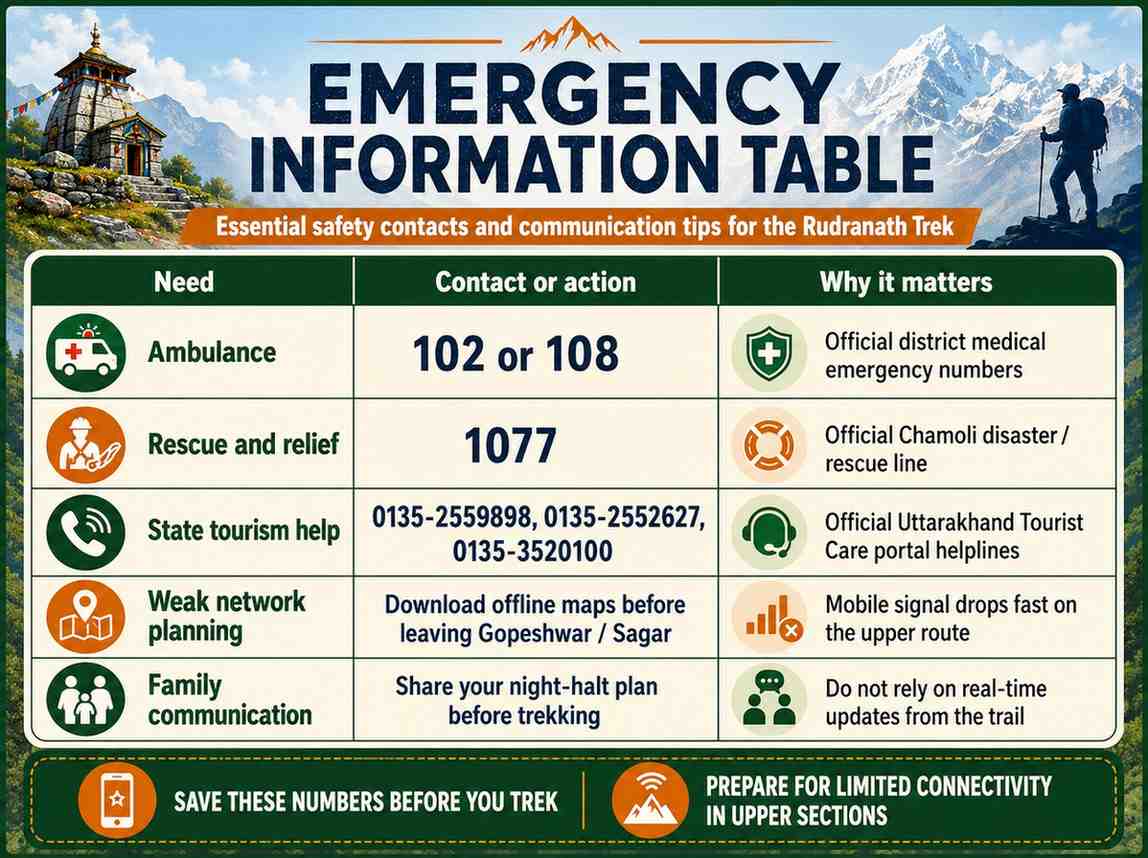
Emergency Information Table
| Need | Contact or action | Why it matters |
|---|---|---|
| Ambulance | 102 or 108 | Official district medical emergency numbers. |
| Rescue and relief | 1077 | Official Chamoli disaster and rescue line. |
| State tourism help | 0135-2559898, 0135-2552627, 0135-3520100 | Official Uttarakhand Tourist Care portal helplines. |
| Weak network planning | Download offline maps before leaving Gopeshwar / Sagar. | Mobile signal drops fast on the upper route. |
| Family communication | Share your night-halt plan before trekking. | Do not rely on real-time updates from the trail. |
The other major safety rule is social rather than medical: do not trek alone if you are inexperienced. Multiple current sources explicitly advise against solo first-timer attempts because of poorly marked sections, weak network, and limited emergency support on the upper trail.
Responsible travel on the Rudranath route
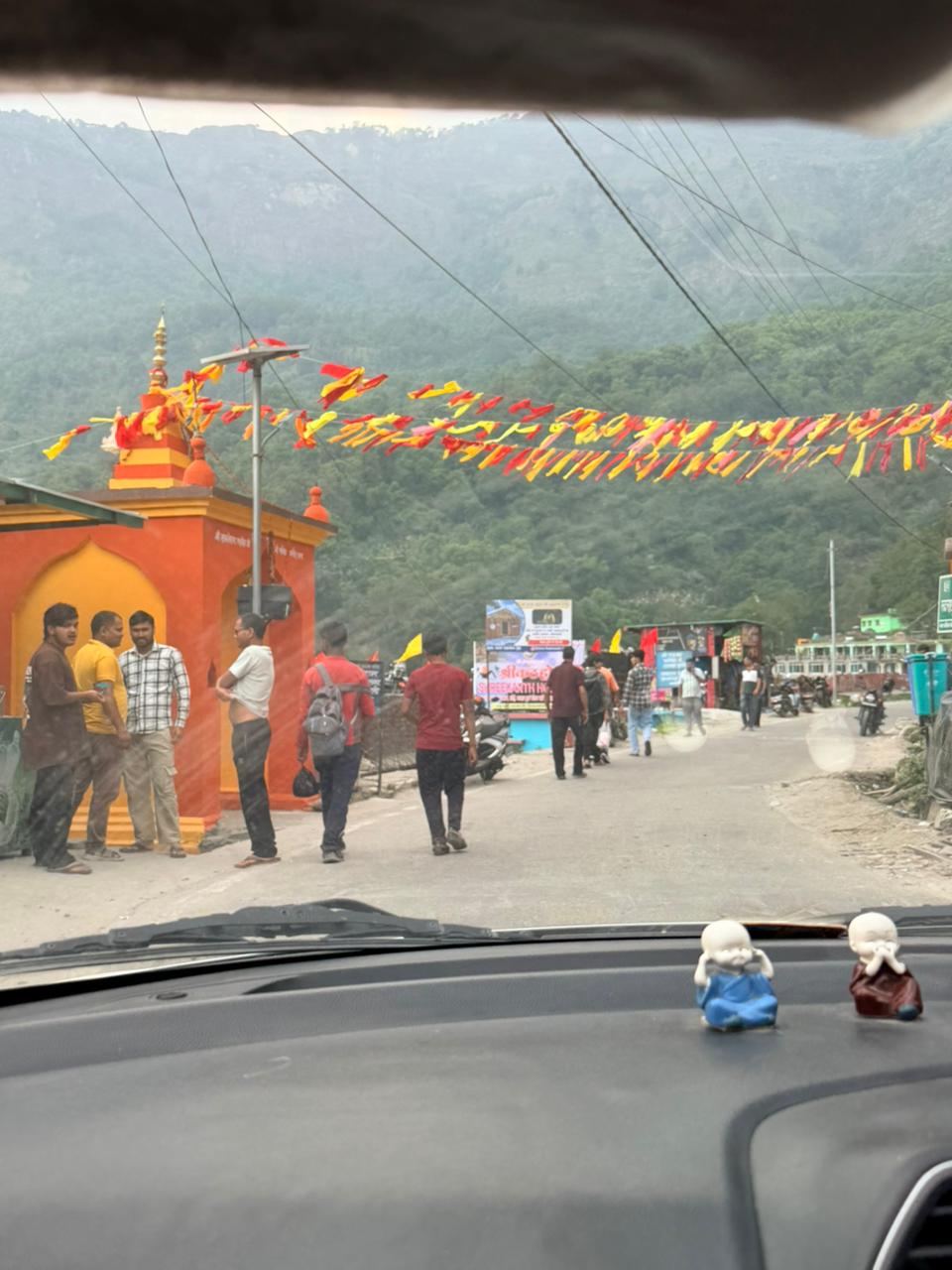
Rudranath remains powerful partly because it is still relatively unoverbuilt. The responsibility that comes with that is obvious: carry your waste out, avoid loudspeaker behavior, and spend locally where possible— especially on village stays, local food, and guide support. Routes like Rudranath survive best when the local economy benefits from visitors without the landscape being overwhelmed by them.
Camping is also a good example of why old advice needs updating. Recent guide sources repeatedly note that Panar camping is more restricted now, which is one reason Lyuti Bugyal has become the main practical halt. Whether this is framed as sanctuary management, bugyal protection, or route discipline, the traveler’s lesson is the same: use designated halts and do not treat alpine meadows as disposable campsites.
Responsible travel here is not abstract morality. It is the reason the next trekker may still get the same silence, same sky, and same quiet temple approach that drew you in the first place.
Photography rituals and temple etiquette
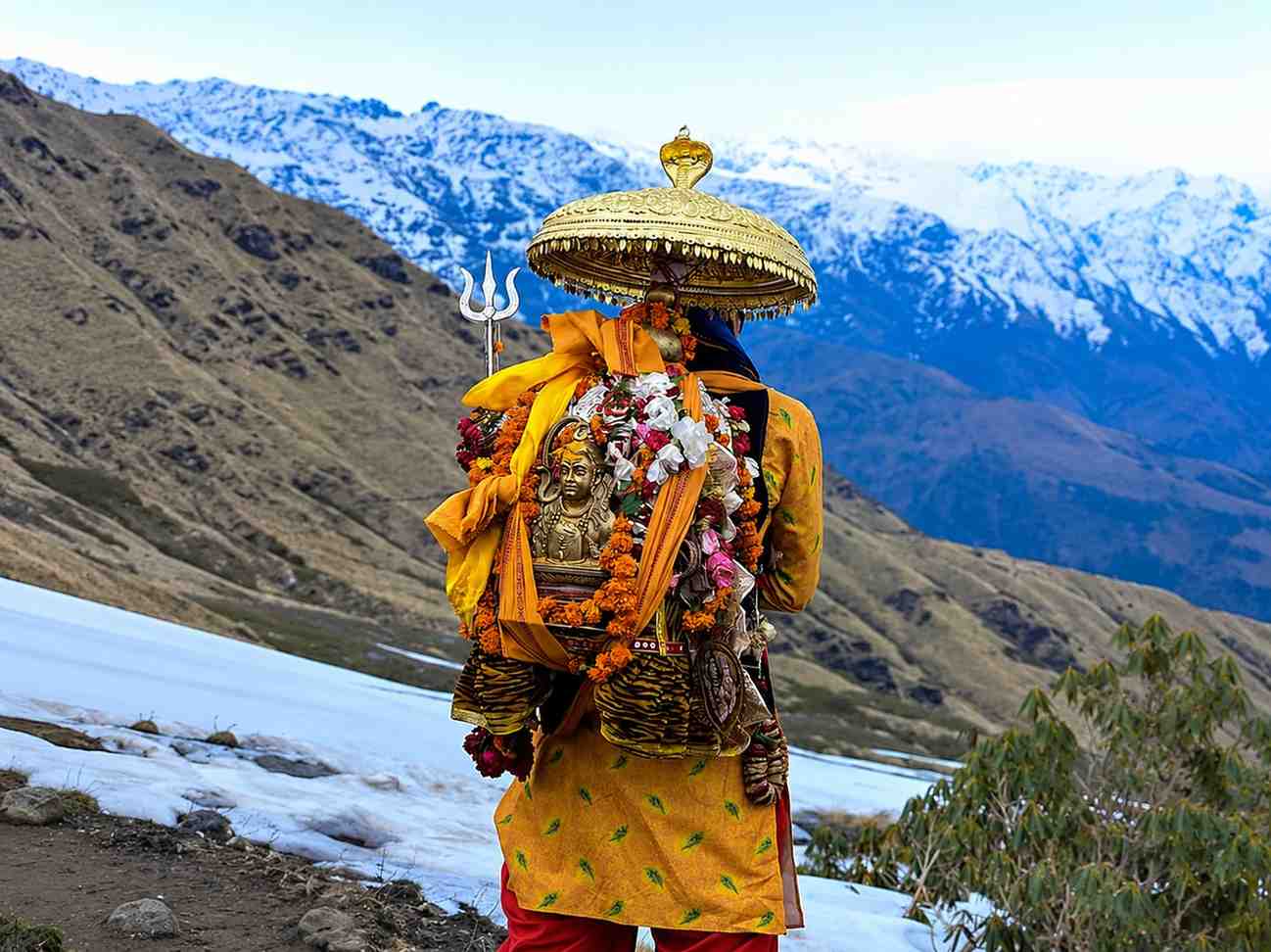
Rudranath is a place where etiquette matters more than photo opportunity. Online sources are inconsistent about photography rules—one guide explicitly says photography is prohibited at the temple, while another listing suggests photography may be allowed. When sources conflict like this, the safest mountain-temple rule is the best one: assume the sanctum and active ritual areas are no-photo unless the priest or local authority clearly says otherwise.
Timing information is similarly useful but not absolute. One 2026 timing page lists morning aarti roughly around 6:00–8:00 AM, daytime darshan into early afternoon, an afternoon closure, and evening aarti around 6:30 PM. Another page publishes much simpler aarti references. Treat these timings as planning
guidance rather than a contract, because mountain weather, ritual schedules, and local temple practice can shift.
Dress modestly, keep your voice down, and remember that many visitors are not there for sightseeing alone. Rudranath remains a living shrine first and a trekking destination second. If you behave that way, the place usually gives back far more than a photograph ever could.
Frequently asked questions and final planning
How many days should you keep for the Rudranath Trek
A comfortable plan is usually four to five days from Rishikesh or Haridwar, not including a major city buffer at the start. That usually means one road day to reach the Gopeshwar–Gwar–Sagar approach belt, one trek day to Lyuti Bugyal, one upper day to Rudranath Temple, and one descent / return day, plus an optional extra halt depending on pace. Some fit pilgrims compress this into a faster turnaround, but most first-timers enjoy it more and handle the altitude better with a slower structure.
What is the total Rudranath trek distance
The practical answer for the standard route is about 20–22 km one way from the Sagar-side or closely linked Gwar-side start area. Official and recent sources differ slightly, with some using 20 km, some 21 km, and Uttarakhand Tourism’s Gopeshwar page using 22 km. For planning, the safe assumption is 20–22 km one way, or roughly 40 km plus for the full up-and-down journey depending on your exact start point and halt pattern.
Is Gwar Village better than Sagar or Gopeshwar for a pre trek stay
For many trekkers in 2026, yes. Gopeshwar is still the fuller service town, and Sagar is still the classic trail identity, but Gwar Village now offers a stronger practical compromise: it sits in the same access belt, the official wildlife division recognizes a Gwar to Rudranath permit route, and local listings show guide services, trek-related businesses, and stay options in the area. So if your priority is a smooth early start rather than town convenience, Gwar is often the smartest night-before base.
What is the official opening date of Rudranath Temple this season
The reopening date for the current season is 18 May 2026. That date is consistently reported across public- broadcast updates and current-season temple-travel coverage. What varies slightly between sources is the exact opening time, with some pages mentioning early morning and others reporting midday or early afternoon after rituals. If you are traveling specifically for opening-day darshan, verify the day’s ritual timing in Gopeshwar before setting out. If you simply need the correct season start date, use 18 May 2026.
When is the likely closing date of Rudranath Temple this season
The date most widely published for the 2026 close is 17 October 2026. Several current planning pages repeat that number, though some describe it as tentative or season-dependent. That is normal for high- altitude Himalayan shrines, where weather and ritual calendars both matter. So treat 17 October 2026 as
the current working closing date, but if you are planning a late-season trip, reconfirm locally through Gopeshwar contacts or the latest temple-side updates before committing your travel.
Do you need a permit for the Rudranath Trek
Yes, you should plan on a route-specific permit / trek booking rather than assuming general pilgrimage access solves everything. The official Kedarnath Wildlife Division currently operates a dedicated Rudranath booking system and lists route products for Sagar, Gwar, and other approach lines. Current product pages for the Gwar and Sagar routes show adult lead-trekker pricing at ₹200, with traveler categories visible on the page. Always check the latest availability and carry ID plus permit proof in digital and screenshot form.
Is the Char Dham registration enough for Rudranath
No. The official Uttarakhand Tourist Care registration portal clearly states that it is for Char Dham and Hemkund Sahib registration. That covers the major Char Dham circuit, but Rudranath’s current access system is handled separately through the Kedarnath Wildlife Division route-booking setup. In practical terms, if you register only on the Char Dham portal and ignore the route permit side, you are not fully planning for Rudranath. Treat them as separate systems with different purposes.
Can beginners do the Rudranath Trek without a guide
A strong beginner can sometimes do it in a small group without a guide, but it is not the safest first Himalayan route to go solo on. Current travel sources repeatedly warn that the trail includes weakly marked sections, poor network, and limited emergency backup on the upper stretch. Because of that, first- timers do much better with a local guide, a small experienced group, or at minimum a very conservative plan and offline route preparation. Rudranath is the kind of trek where the cost of a guide is often smaller than the cost of one wrong decision.
Which route is best for first time trekkers
devotional detour. That side is the most widely used, the best documented in current-season material, and the easiest to structure around a Lyuti Bugyal halt. Within that family, staying in Gwar Village the night before often makes the experience smoother because you are closer to the actual start corridor. The Mandal and Urgam / Kalpeshwar combinations are better left to travelers who already know they want a more complex multi-day plan.
What accommodation is available during the trek
Before the trek, you have the widest choice in Gopeshwar, Gwar Village, and the Sagar-side belt. On the trail itself, most walkers use camps at Lyuti Bugyal and then either a basic dharamshala or operator tent near Rudranath Temple. Recent route pages repeatedly describe temple-side accommodation as very simple and upper-route comfort as limited. So yes, accommodation exists—but think in terms of basic mountain halts and practical shelter, not full-service hotel stays.
Is there mobile network on the Rudranath route
near the temple while many other networks are unreliable. That means the last dependable moment for downloads, calls, payment screenshots, and route backups is before you commit to the upper trail. If staying in the Gwar Village belt, sort all digital dependencies the previous evening rather than on trek morning.
Are food and water available on the trail
provides only basic stay-and-meal infrastructure. Water sources exist, but you still need to refill whenever possible and carry enough through the longer upper stretch. Trekkers should not expect luxury menu variety or steady packaged-food availability; simple vegetarian meals and tea remain the normal trail rhythm.
Is monsoon a good time for the Rudranath Temple Trek
For beginners, no. For experienced trekkers who fully understand Himalayan rain risks, maybe—but only with caution. Updated 2026 sources repeatedly warn that monsoon brings slippery trails, landslides, road blockages, reduced visibility, and faster-changing water conditions on the Rudranath route. The landscape is stunningly green, and photographers love the mood, but beauty is not the same thing as safety. Unless you are intentionally choosing a monsoon trek and have the judgment to match, the better seasons remain early summer and post-monsoon autumn.
Can you do Rudranath as part of a larger Panch Kedar Trek
Absolutely. Rudranath is one of the major spiritual and physical anchors in any broader Panch Kedar Trek plan, and it is also frequently linked with Kalpeshwar in longer Garhwal circuits. That said, Rudranath is not a “light add-on.” It is one of the harder segments, so it should be planned with enough time, not just
inserted between easier darsans. If you are doing the full Panch Kedar Yatra, it often helps to think of Rudranath as one of the journey’s defining mountain efforts rather than one more temple tick on a checklist.
What should families or older pilgrims keep in mind
The right answer is pacing. Older pilgrims or family groups should strongly consider sleeping in Gwar Village, keeping a slower itinerary, and avoiding same-day rush plans. Discuss fitness and any known medical condition with a doctor before traveling, especially because rescue infrastructure is limited on the upper trail compared with bigger pilgrimage routes. If help carrying bags is needed, try to arrange support in advance through a local guide or operator. Rudranath is still possible for many older travelers, but the margin comes from planning, not optimism.
Related Travel Guides
Guide is useful for travelers who want a shorter, faster Panch Kedar mountain walk before attempting Rudranath. A Madhyamaheshwar Trek Guide makes sense for anyone drawn to meadow country and slower devotional trekking. A Kalpeshwar Temple Guide works well for pilgrims planning a linked Rudranath circuit, especially through the Urgam side. And a broader Panch Kedar Yatra Guide is the natural umbrella piece for readers thinking beyond one shrine toward the larger Garhwal Shiva pilgrimage logic.
Final thoughts on the Rudranath Temple Trek
The Rudranath Temple Trek is one of those Himalayan journeys that becomes clearer only after you stop treating it like a checklist. Yes, it is a demanding pilgrimage. Yes, it is one of the most rewarding sacred treks in Uttarakhand. But what stays with most travelers is not one single fact or viewpoint. It is the whole progression: the quiet night before the walk, the long climb out of the village belt, the open breathing space of Lyuti Bugyal, the harder upper route through Panar and Pitradhar, and finally the profoundly intimate darshan at Rudranath Temple, where Shiva is worshipped in face form.
For practical planning in this season, Gwar Village deserves to be treated as one of the most convenient modern starting bases for the trek. The official route ecosystem now recognizes the Gwar approach, and the village-side stay corridor makes early starts easier, parking simpler, and pre-trek logistics calmer. If you want a useful night-before stay in that approach belt, Srishti Homestay is one of the comfortable, sensible options worth considering because it solves the right problems for trekkers without pretending to be anything more than a good mountain base.
Rudranath is also a place that asks for responsibility. Carry your waste back. Use designated halts. Respect the temple’s silences, the village economy, and the weather’s authority. If you do that, this Rudranath Trek Guide 2026 becomes more than a planning page—it becomes a way to arrive prepared, walk humbly, and leave the mountain exactly as you hoped to find it: sacred, wild, and still beautifully itself.
Rudranath Trek Image Gallery
Explore 80 Rudranath trek photos in a clean responsive gallery. Click any image to open it in lightbox view.
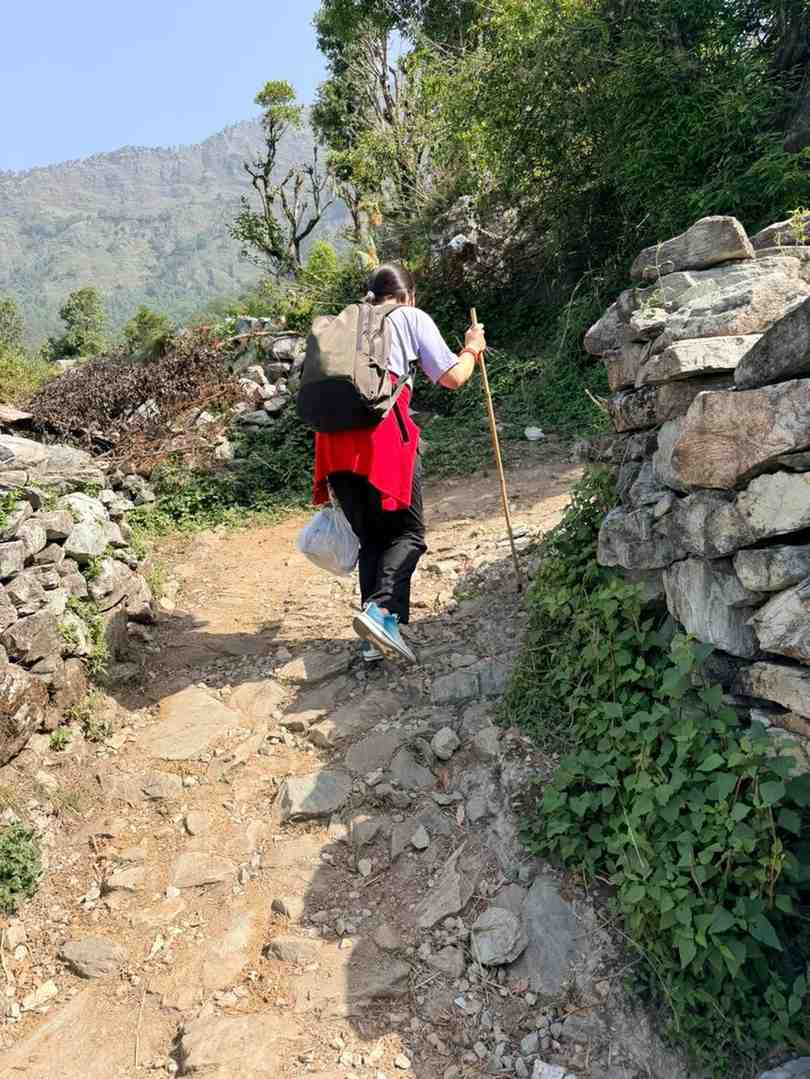 Photo 1
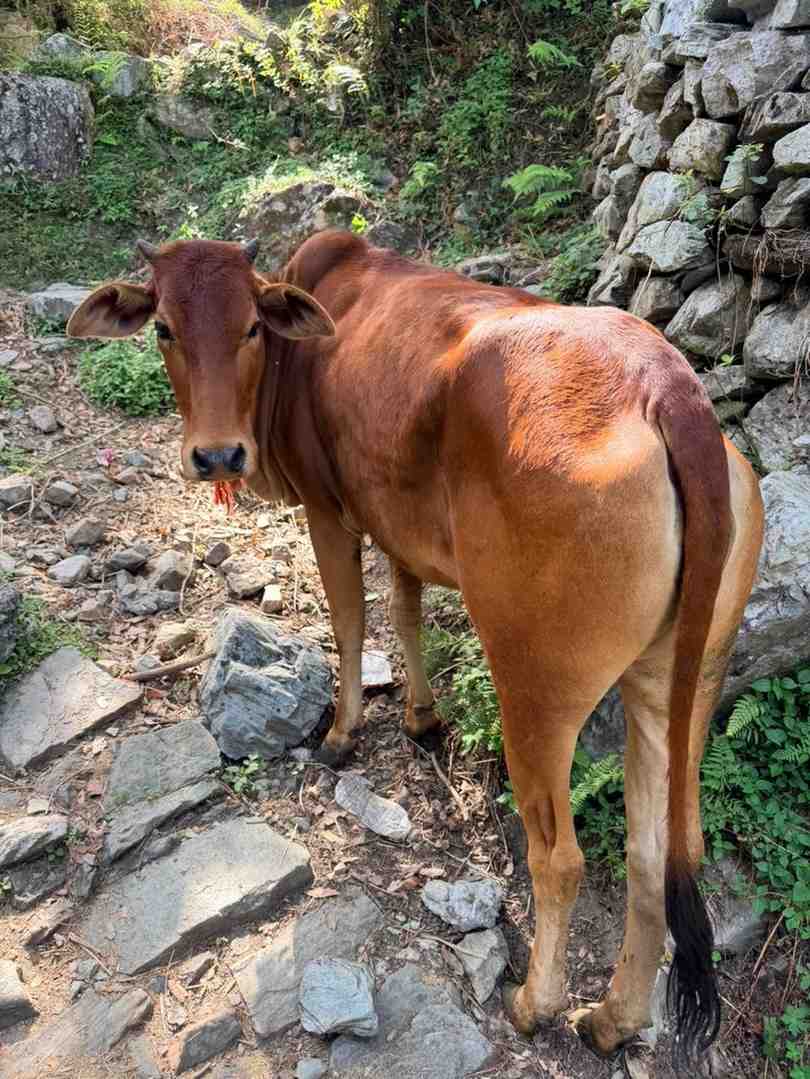 Photo 2
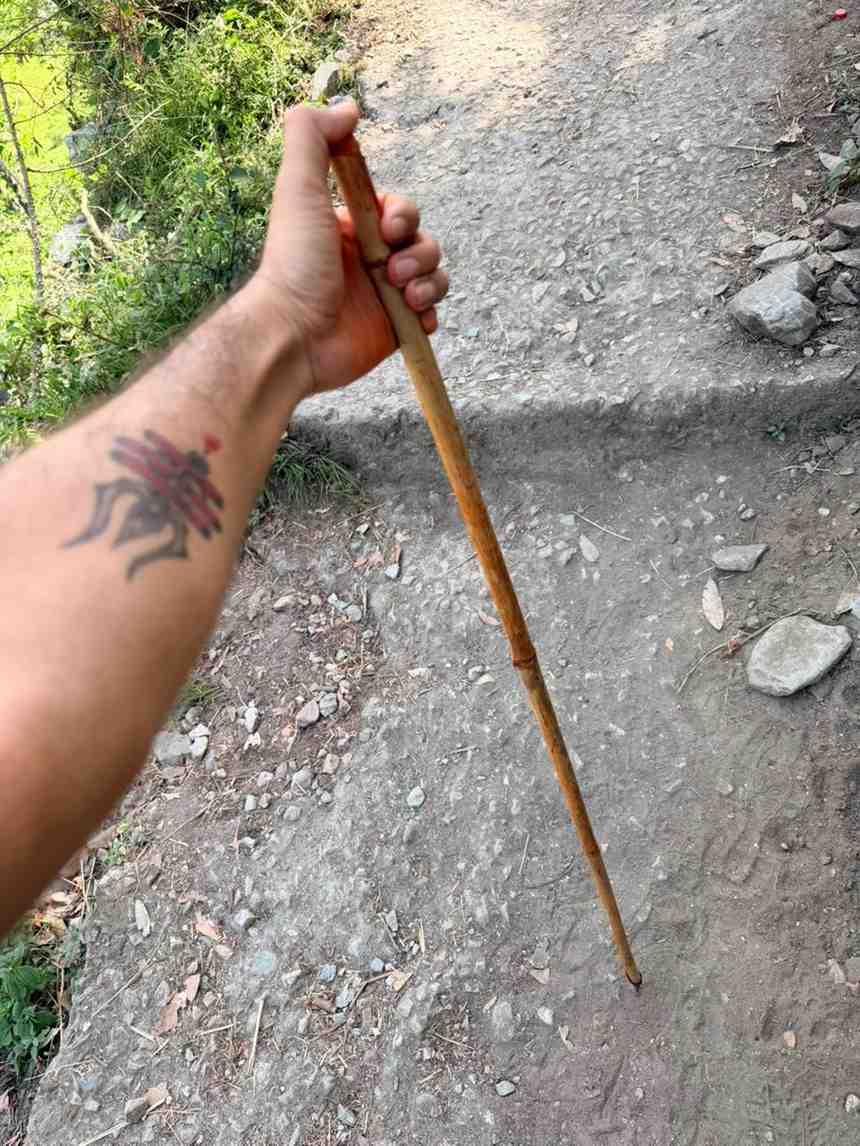 Photo 3
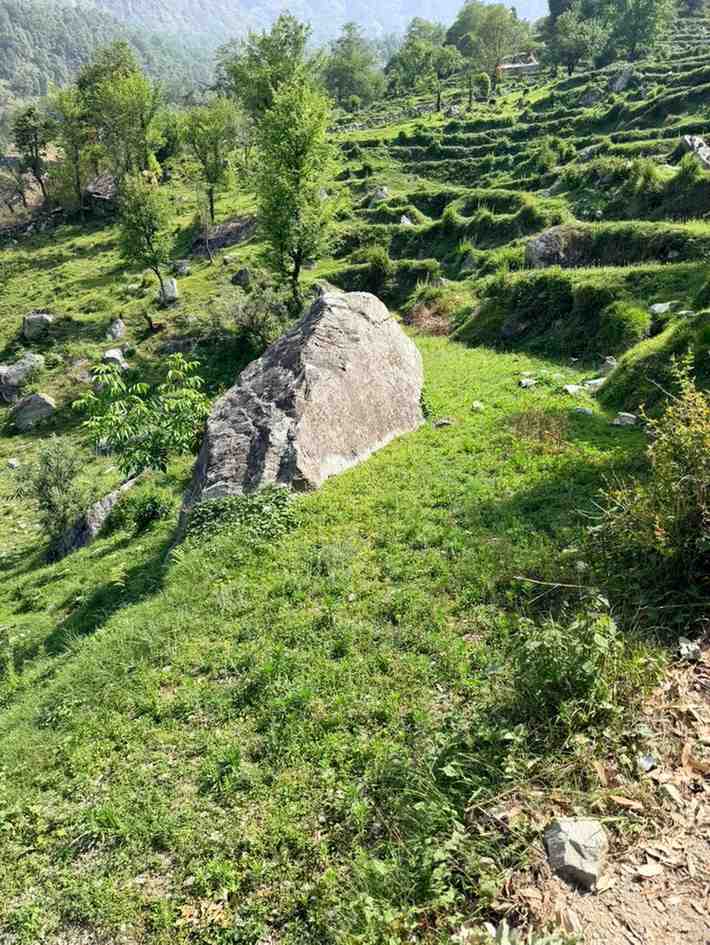 Photo 4
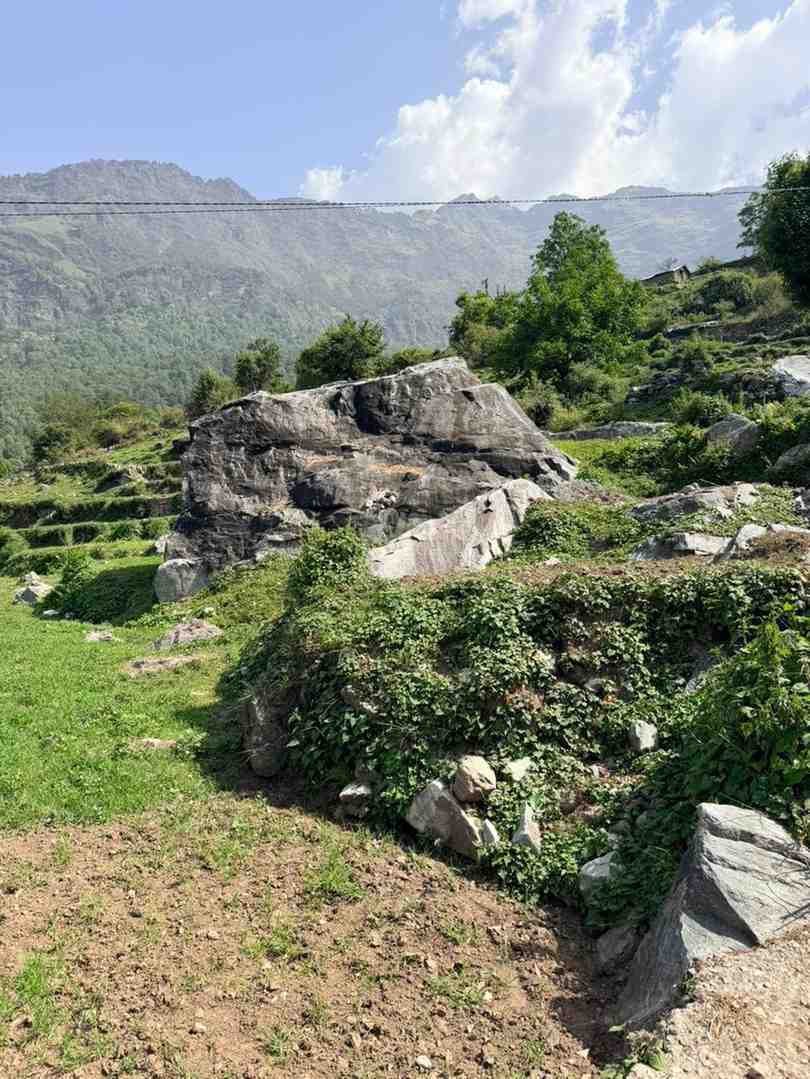 Photo 5
 Photo 6
 Photo 7
 Photo 8
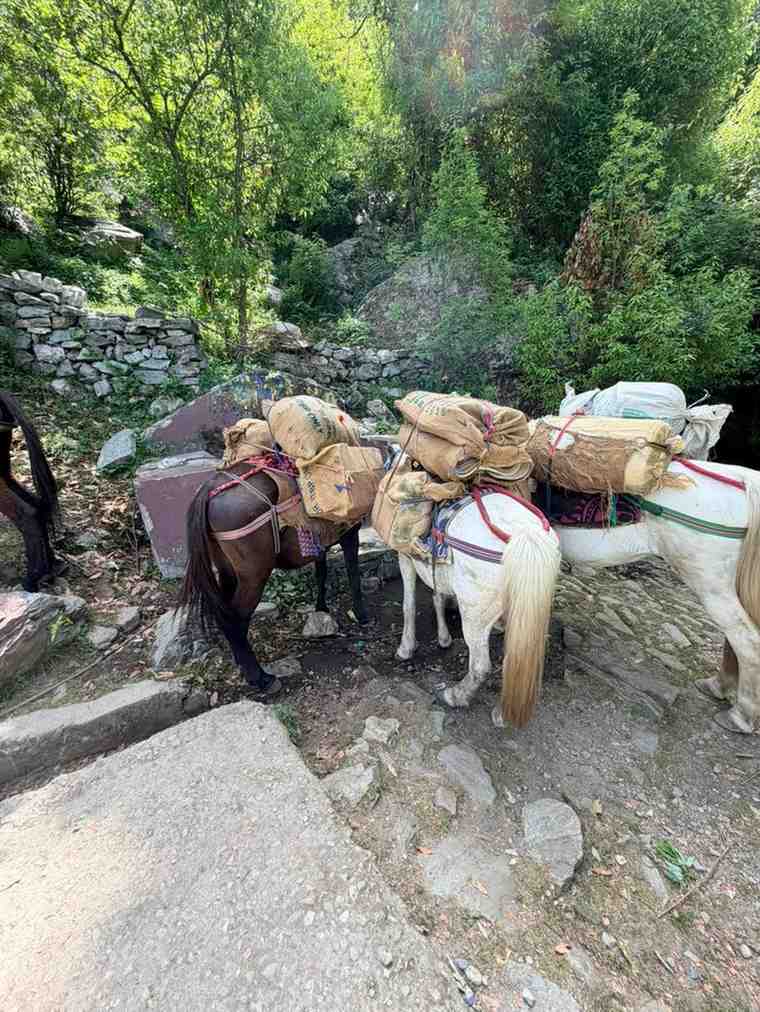 Photo 9
 Photo 10
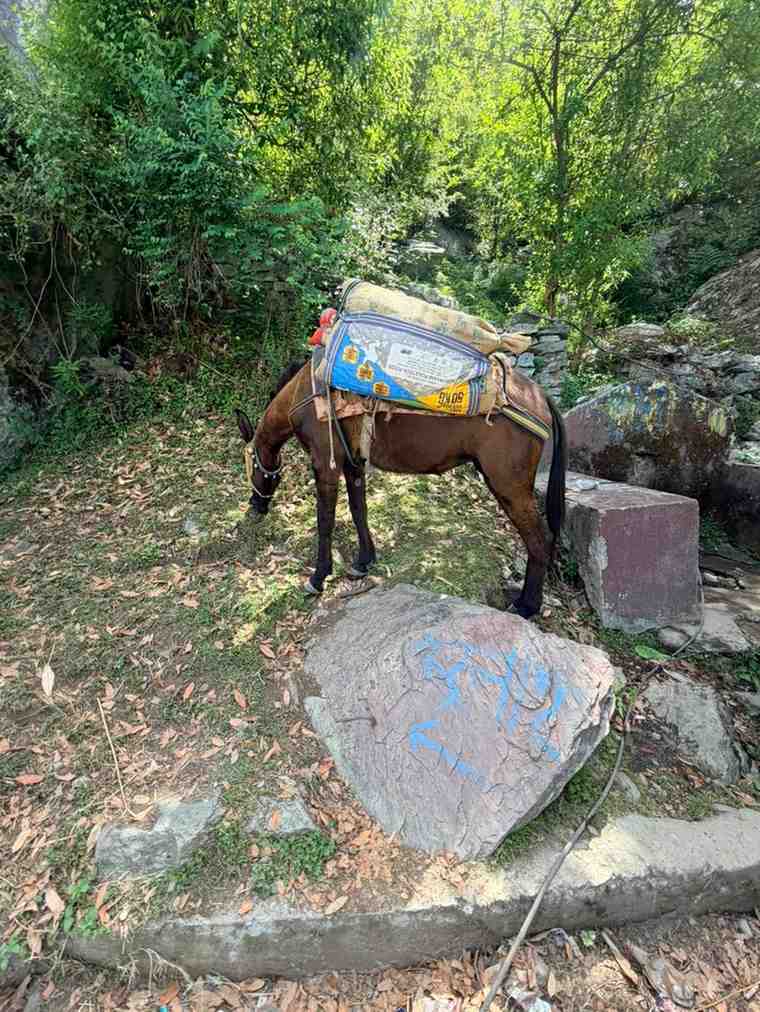 Photo 11
 Photo 12
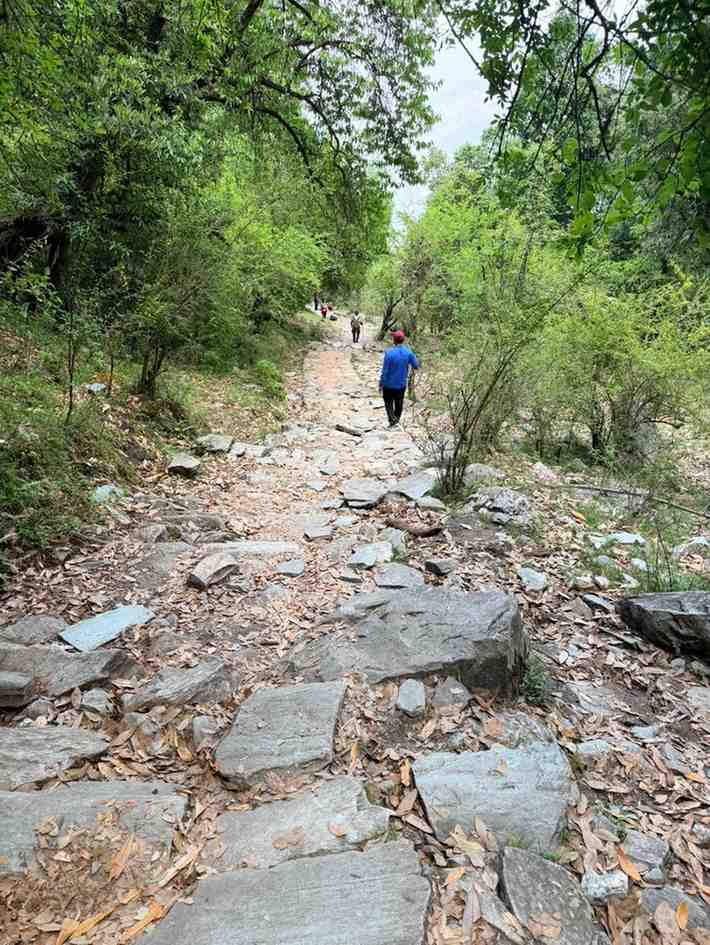 Photo 13
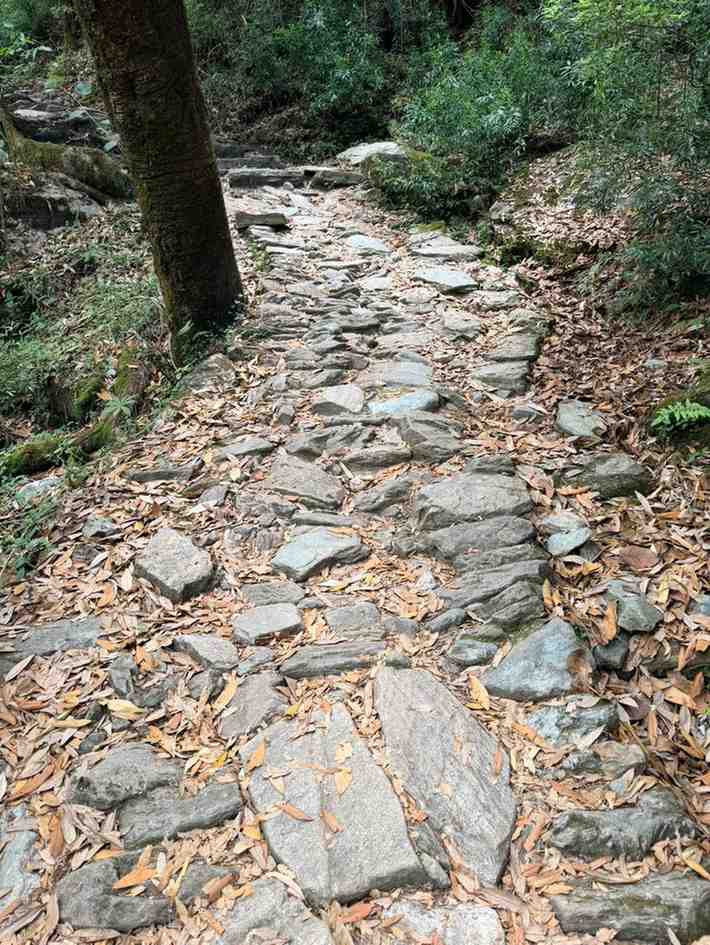 Photo 14
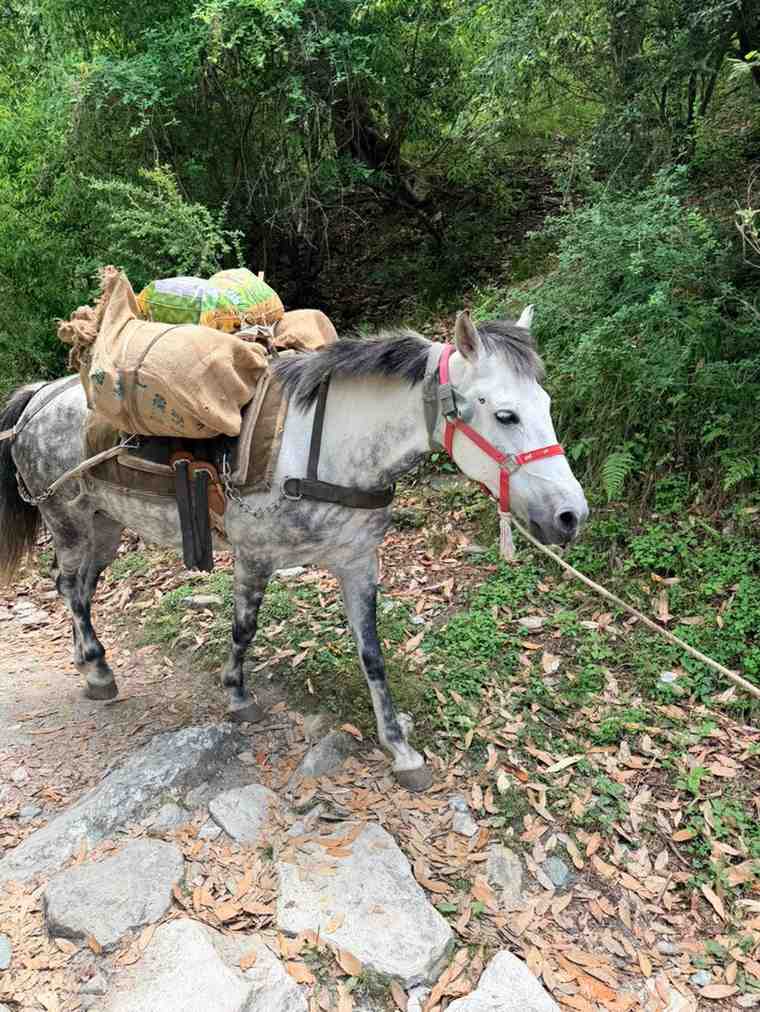 Photo 15
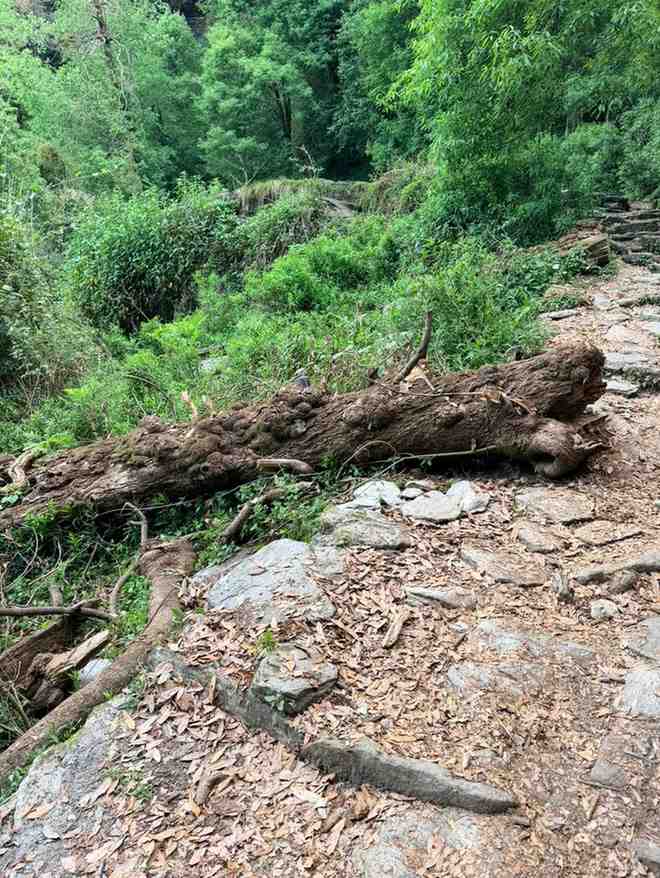 Photo 16
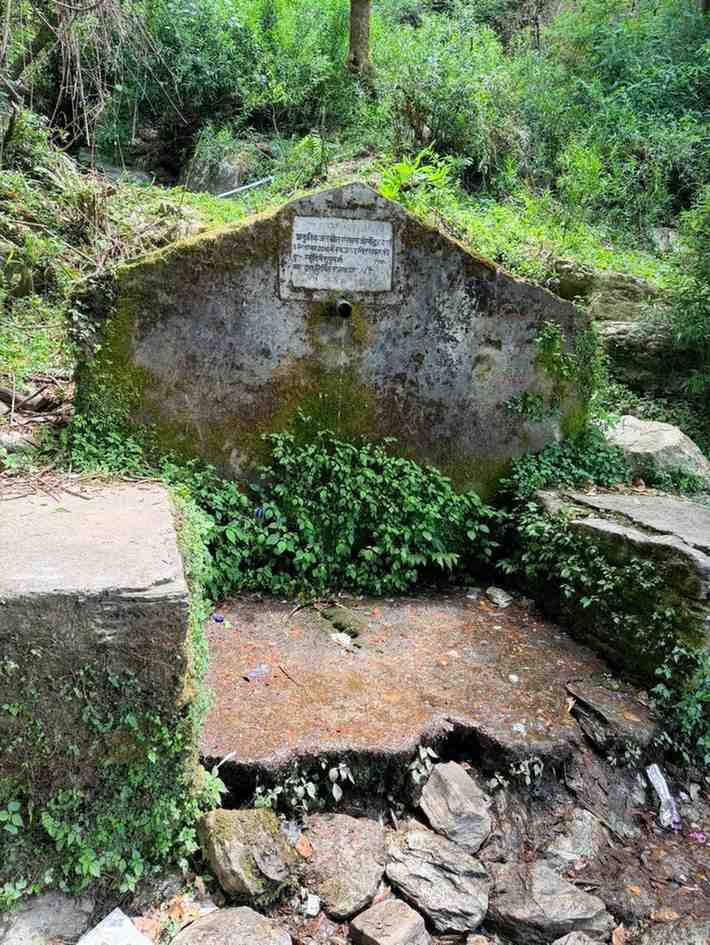 Photo 17
 Photo 18
 Photo 19
 Photo 20
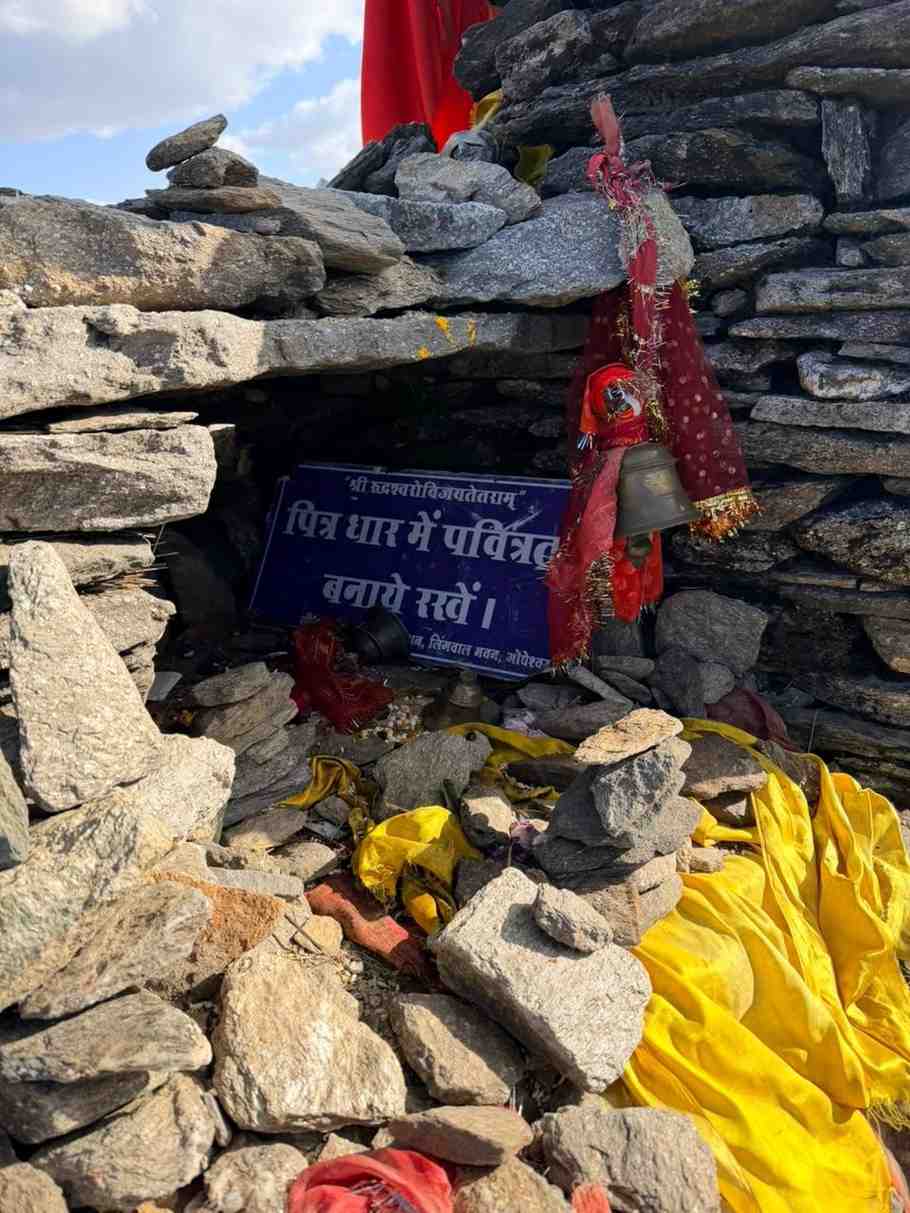 Photo 21
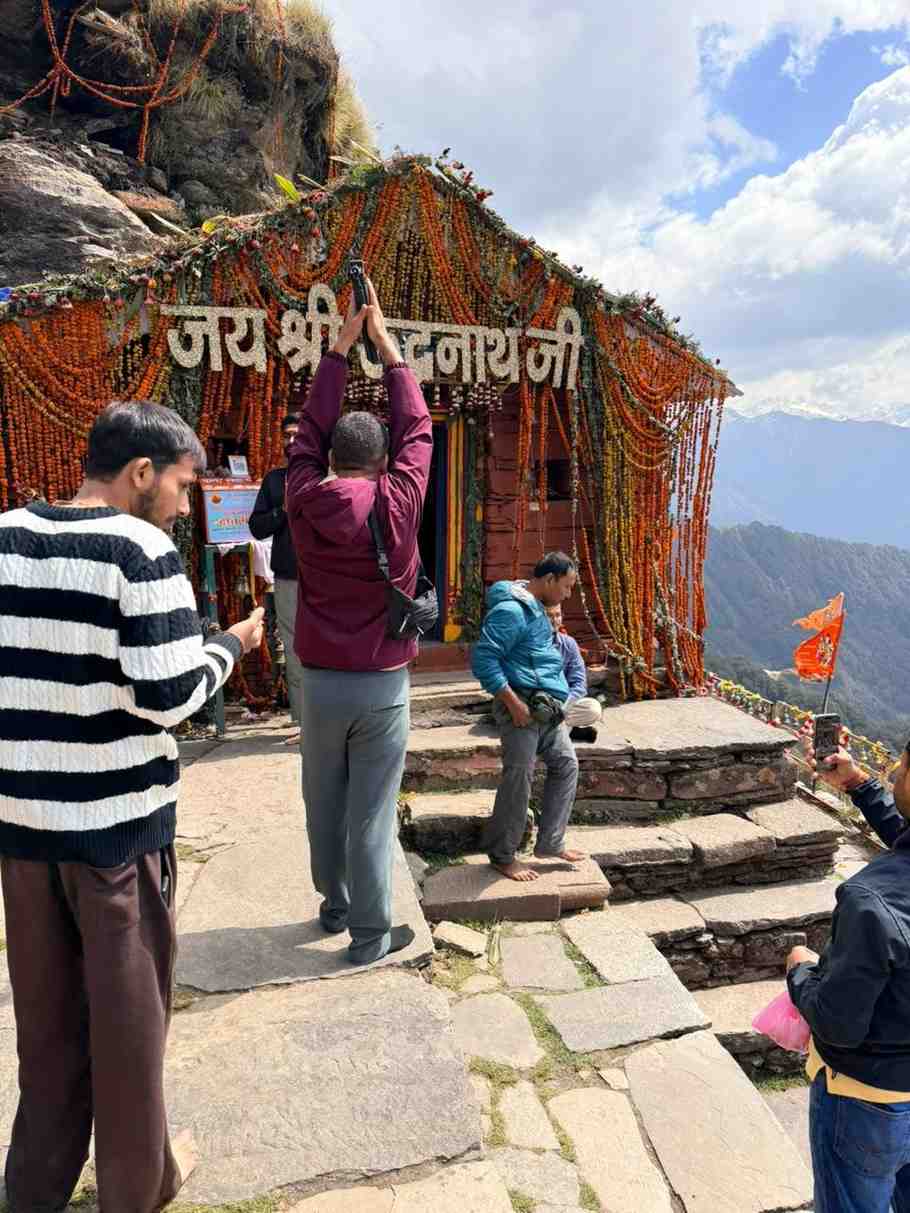 Photo 22
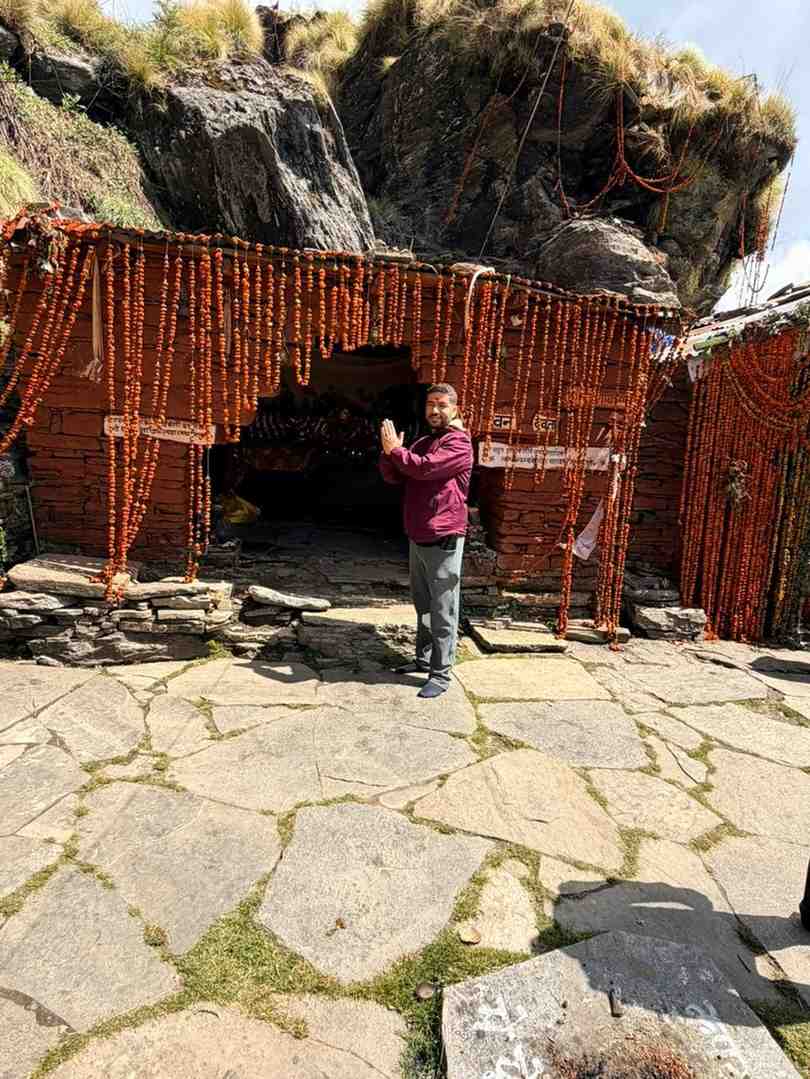 Photo 23
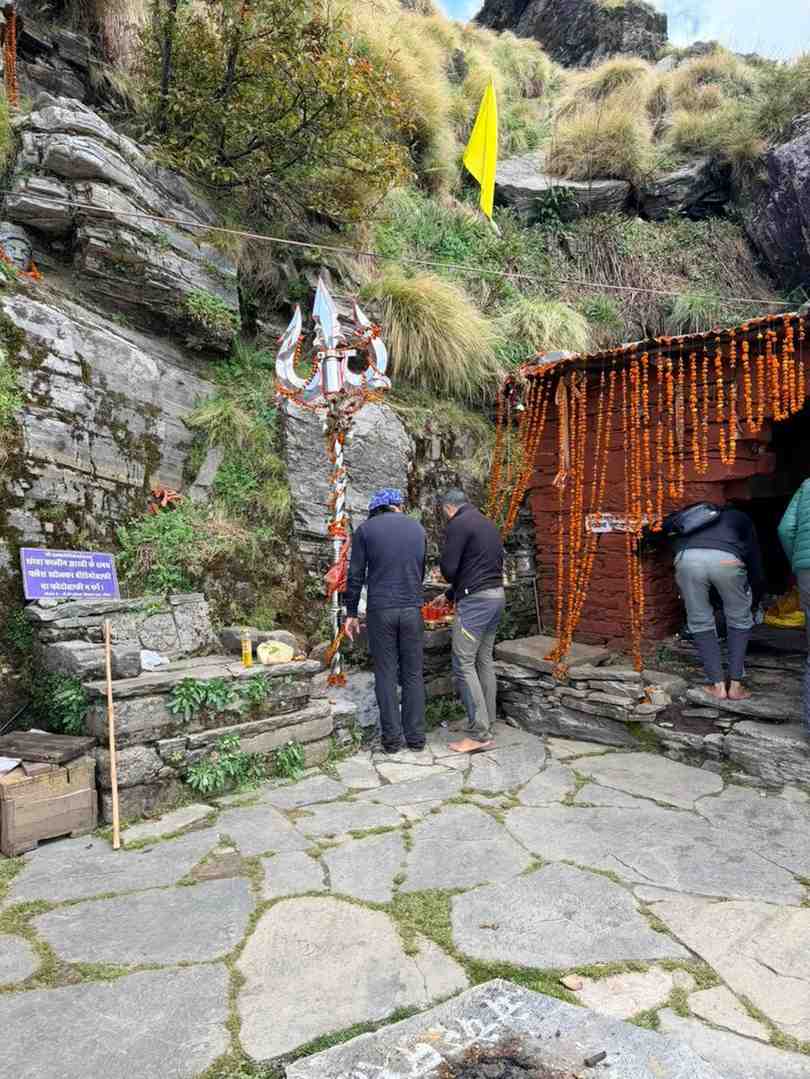 Photo 24
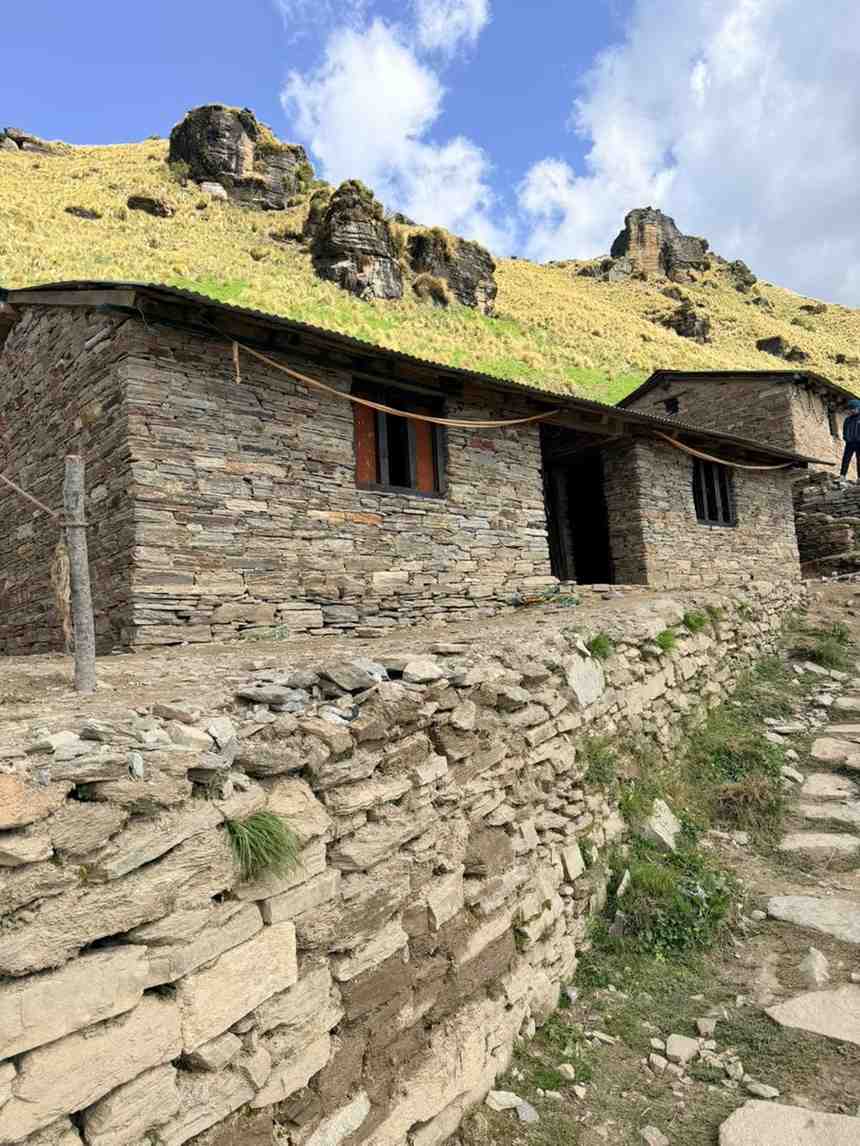 Photo 25
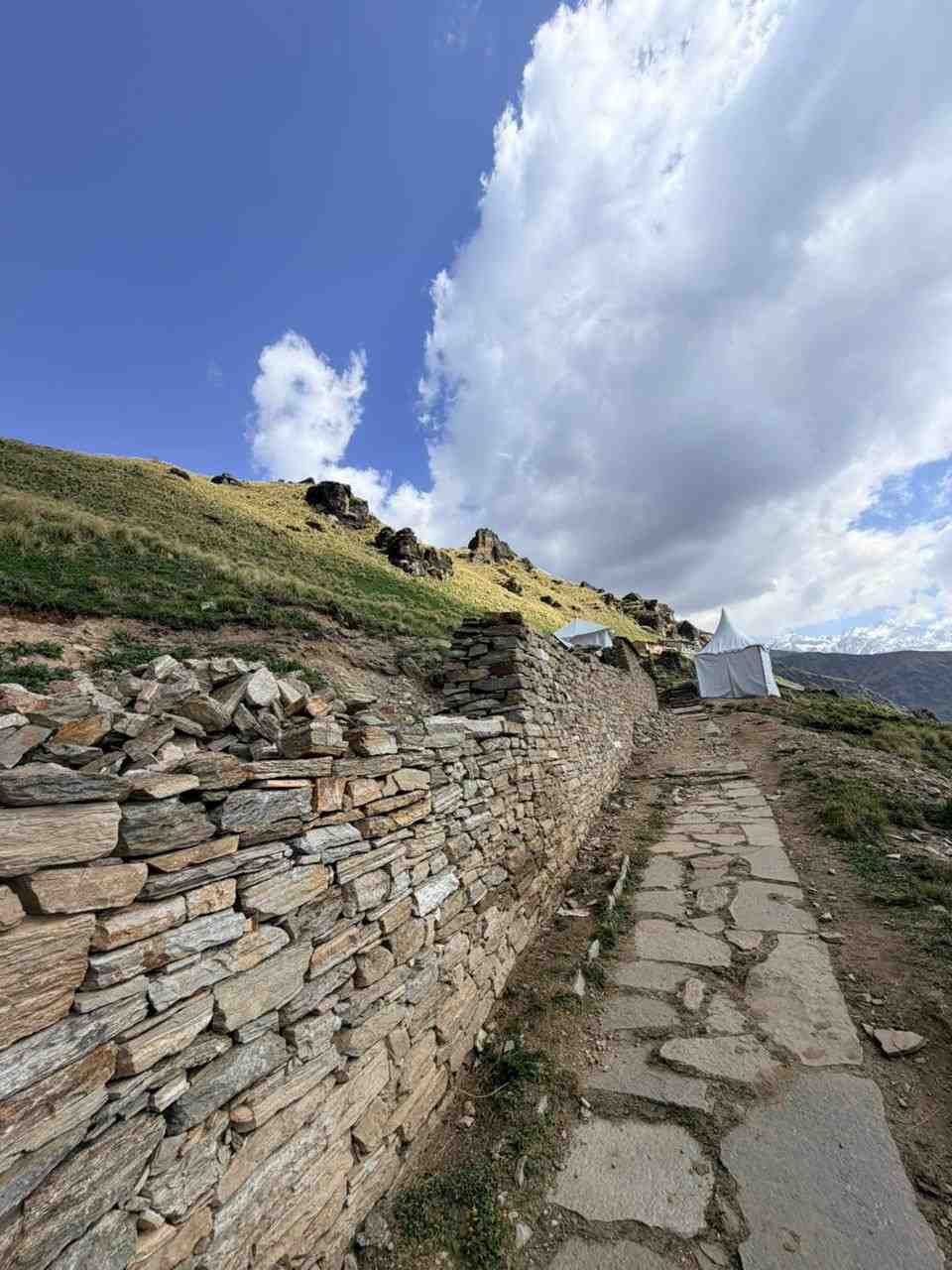 Photo 26
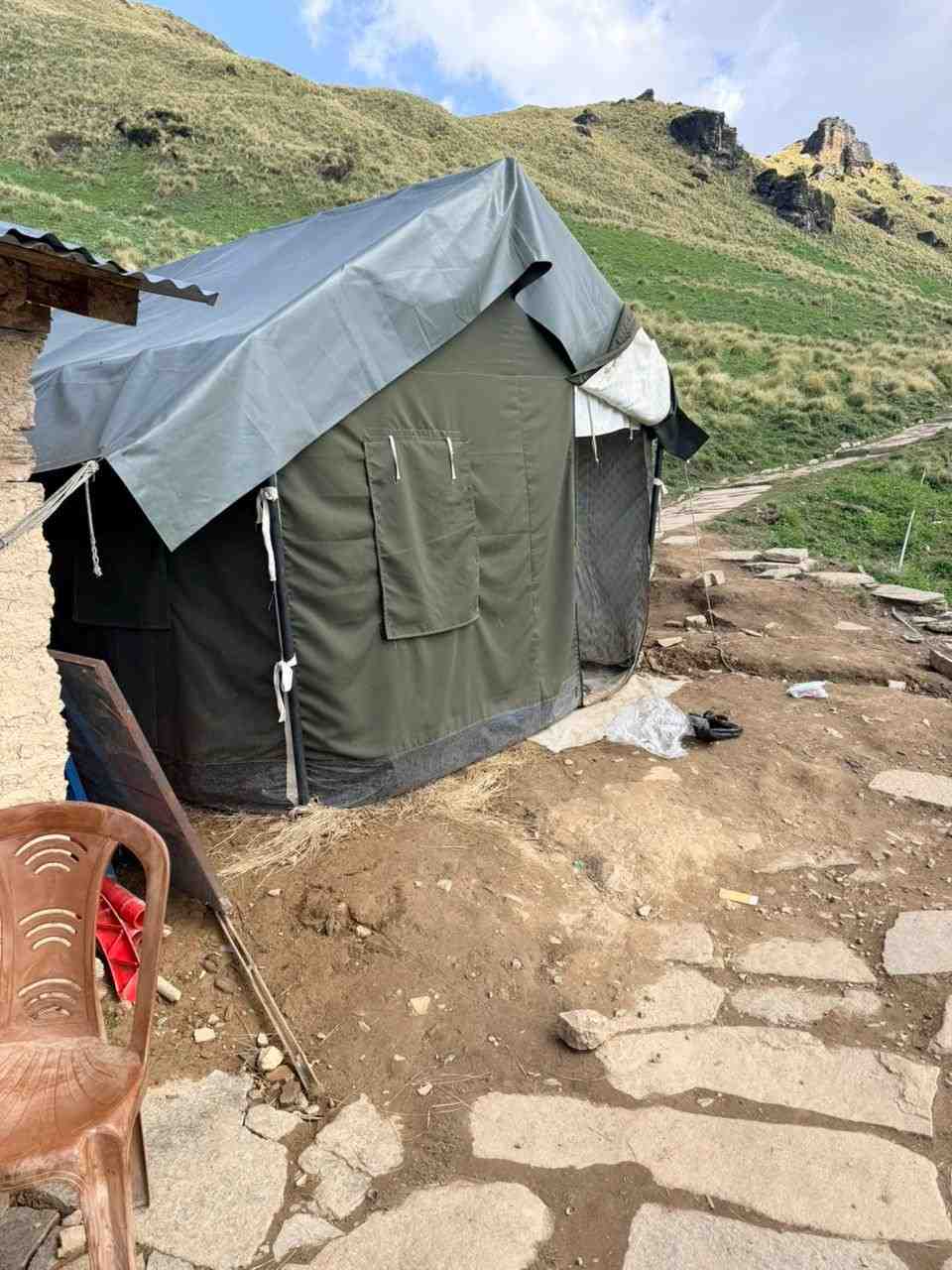 Photo 27
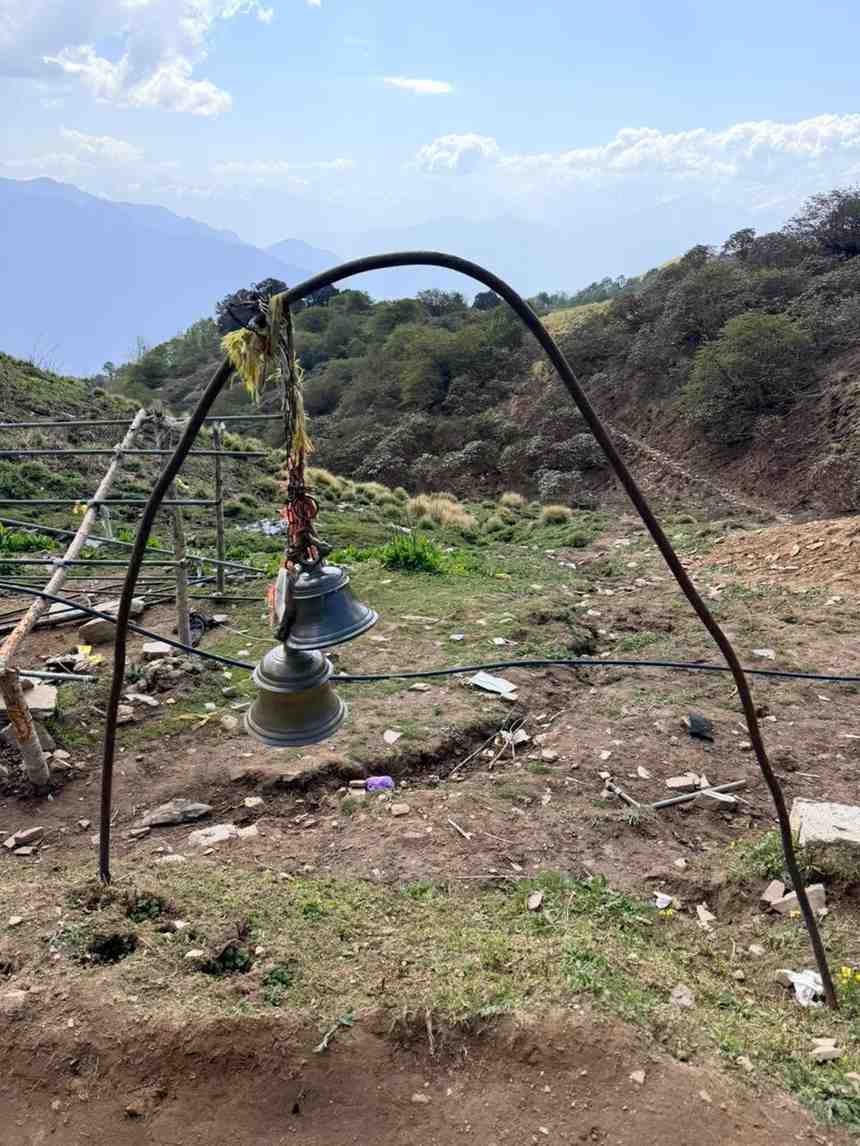 Photo 28
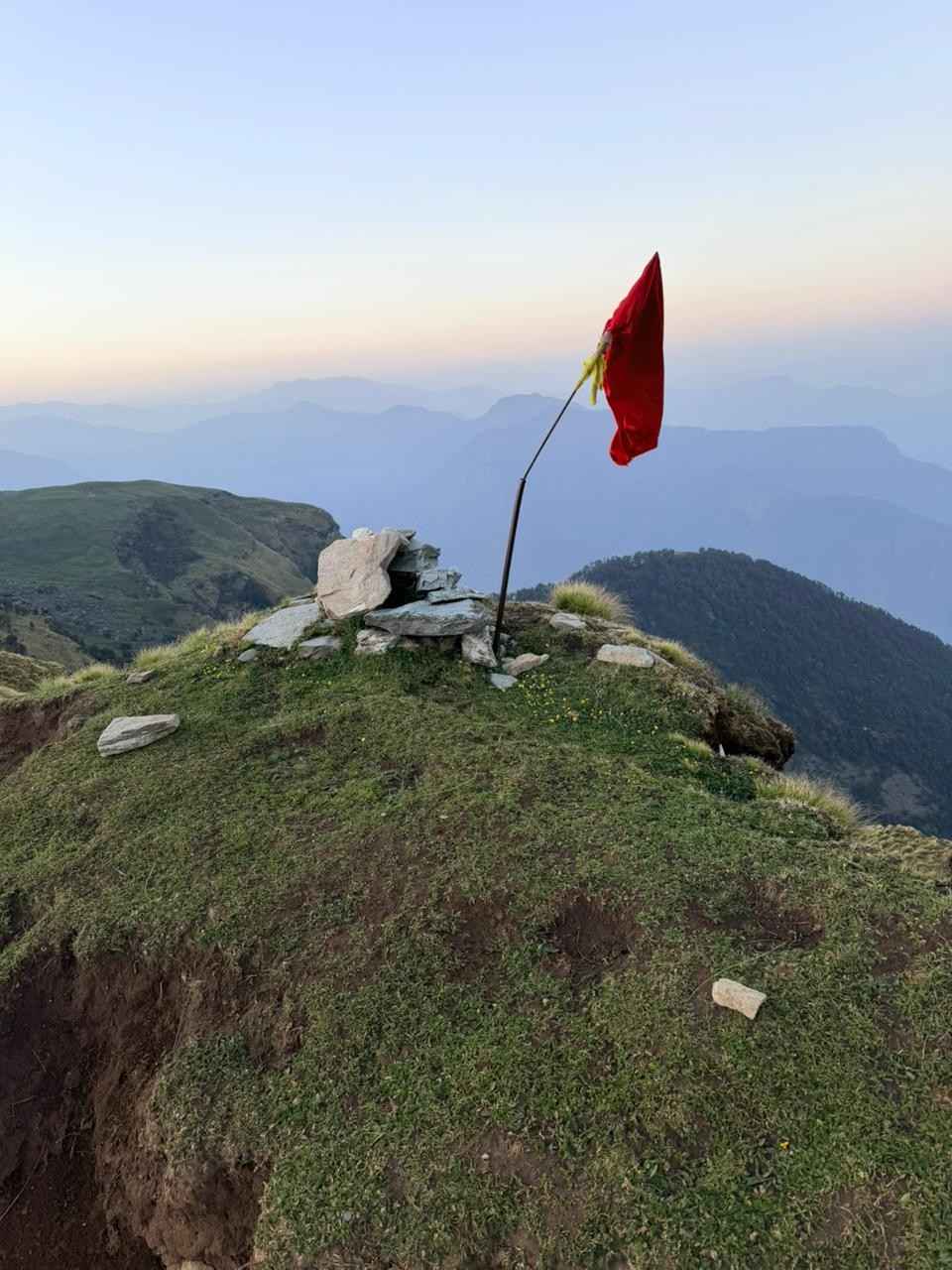 Photo 29
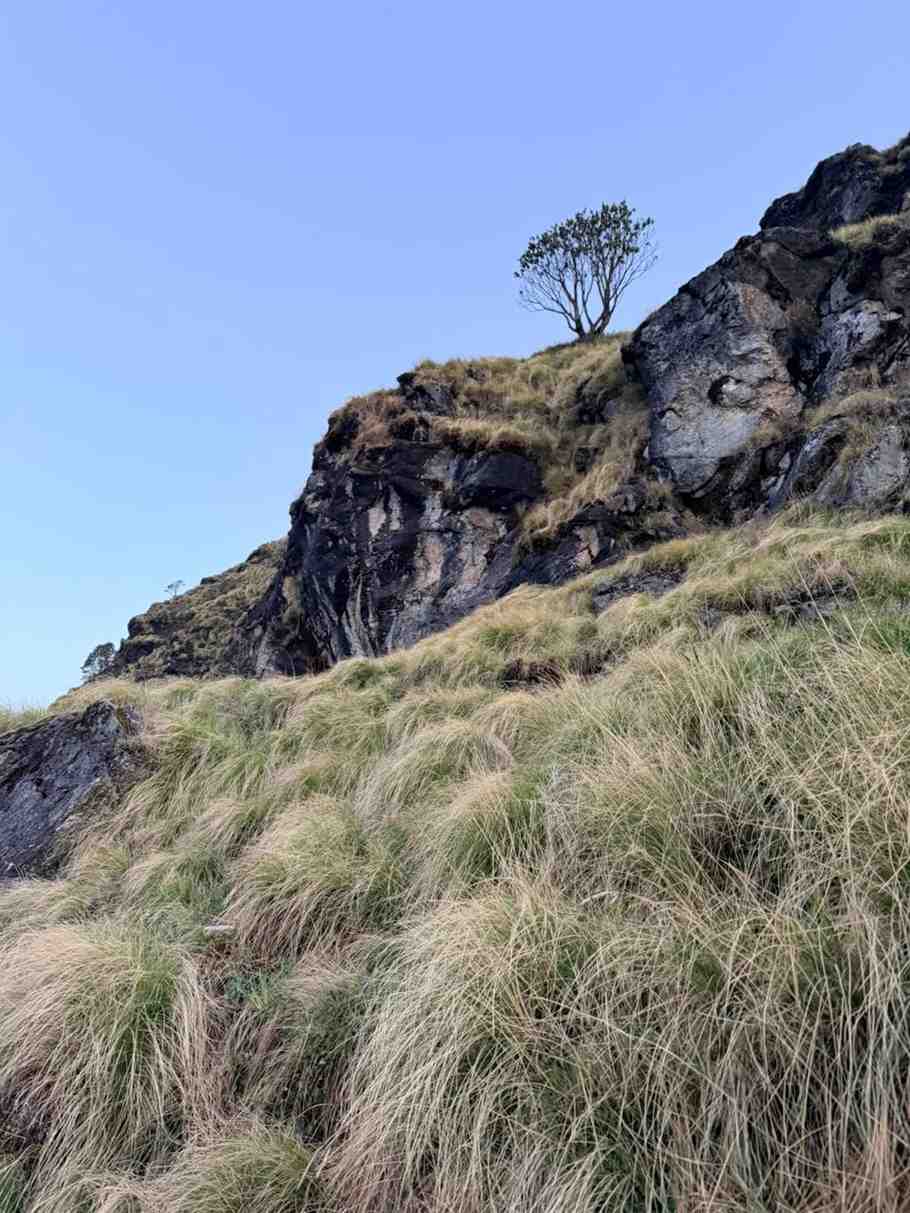 Photo 30
 Photo 31
 Photo 32
 Photo 33
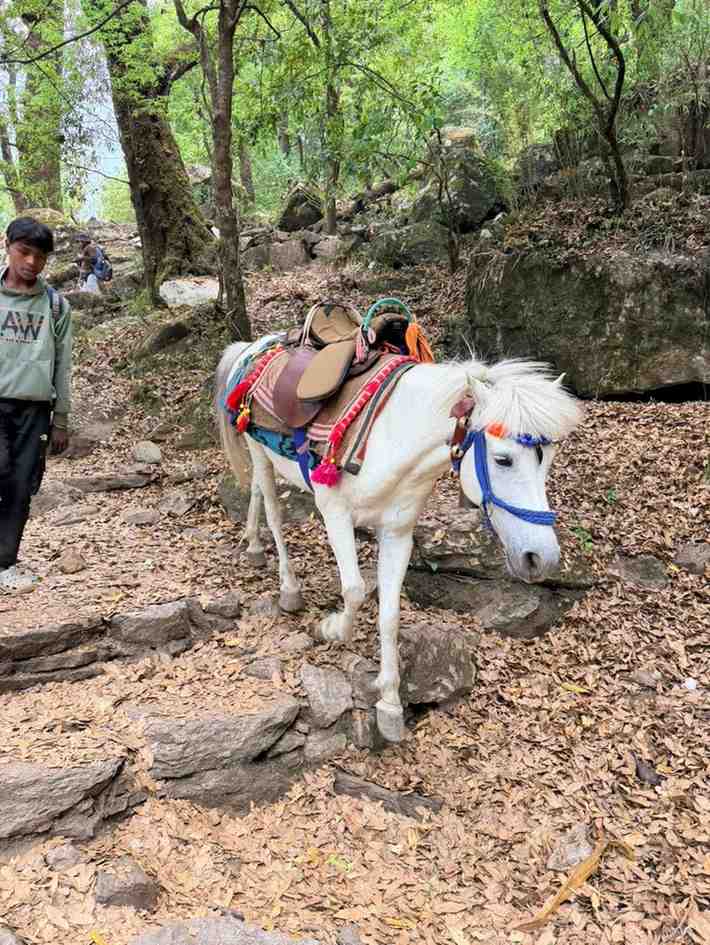 Photo 34
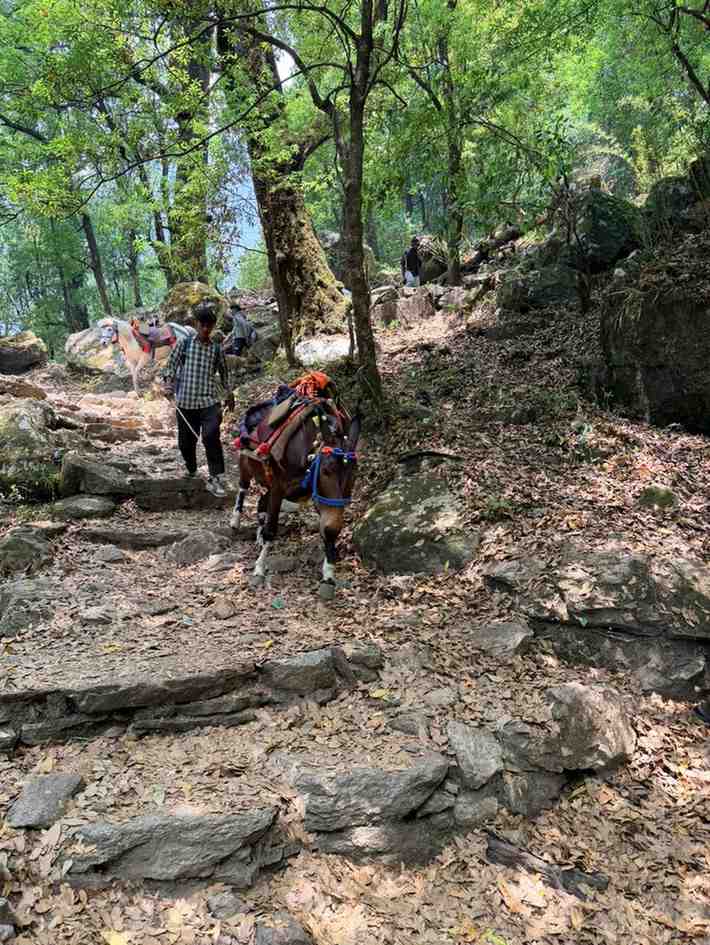 Photo 35
 Photo 36
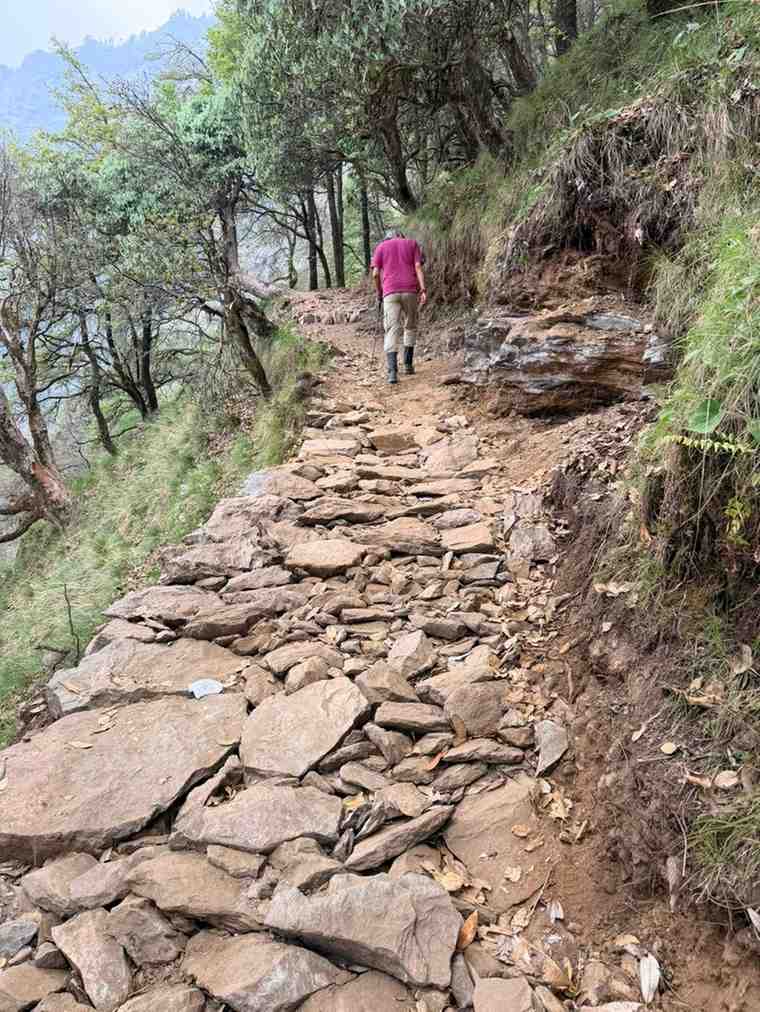 Photo 37
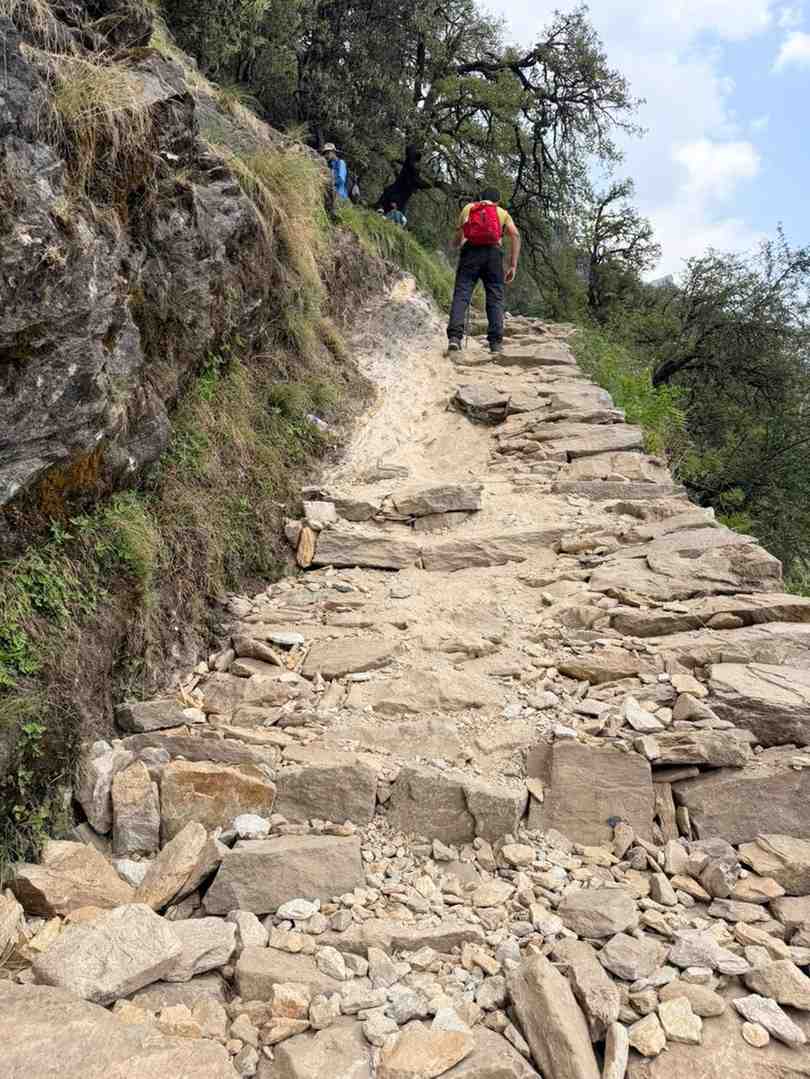 Photo 38
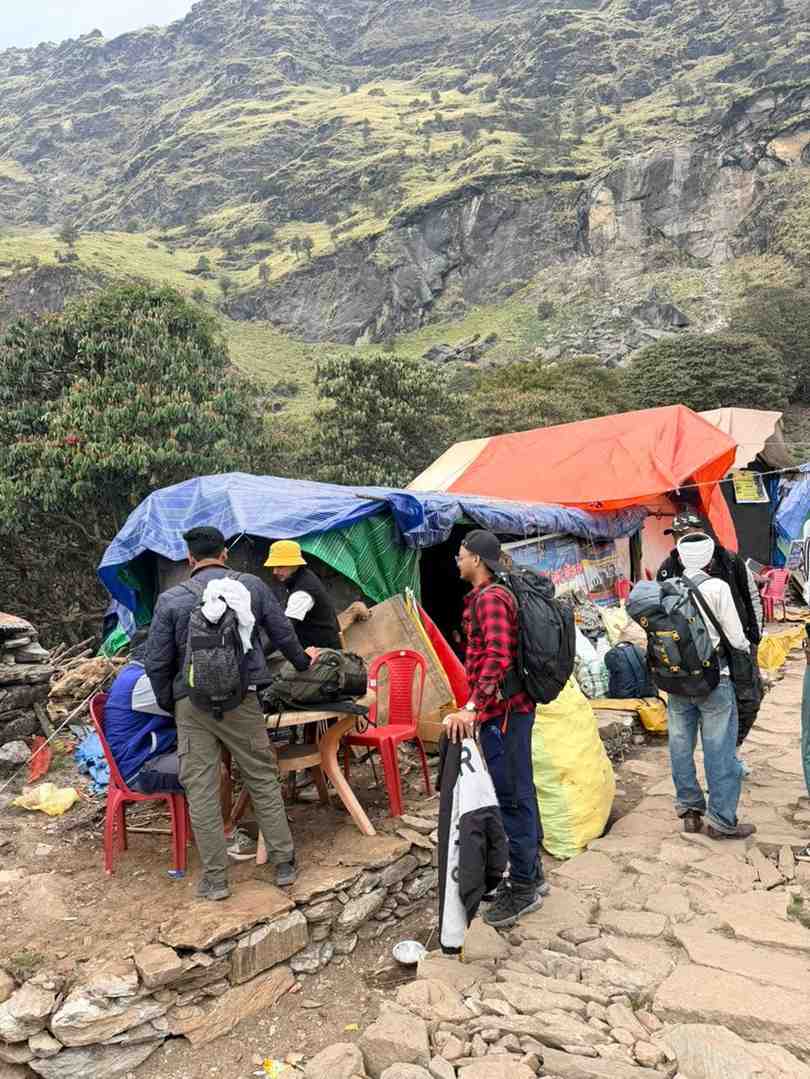 Photo 39
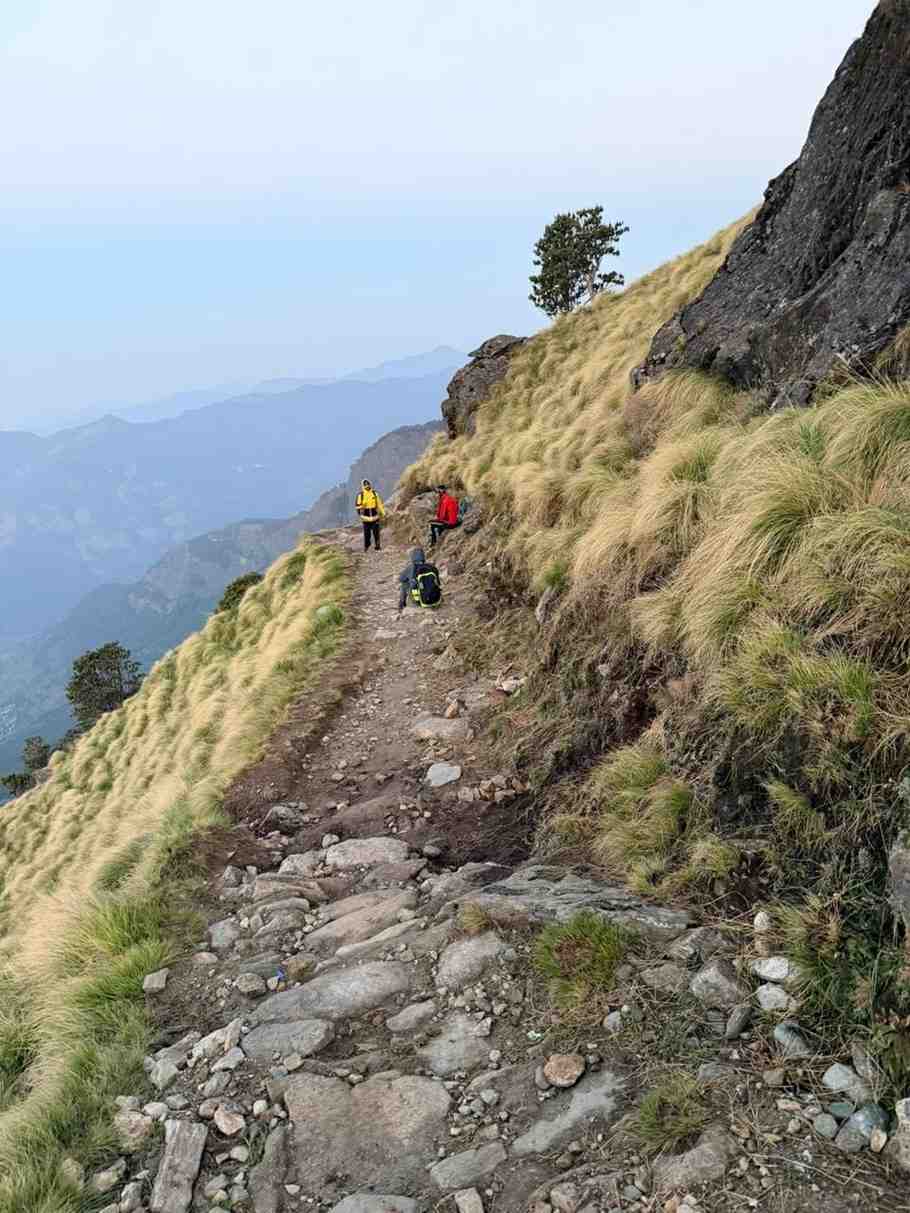 Photo 40
 Photo 41
 Photo 42
 Photo 43
 Photo 44
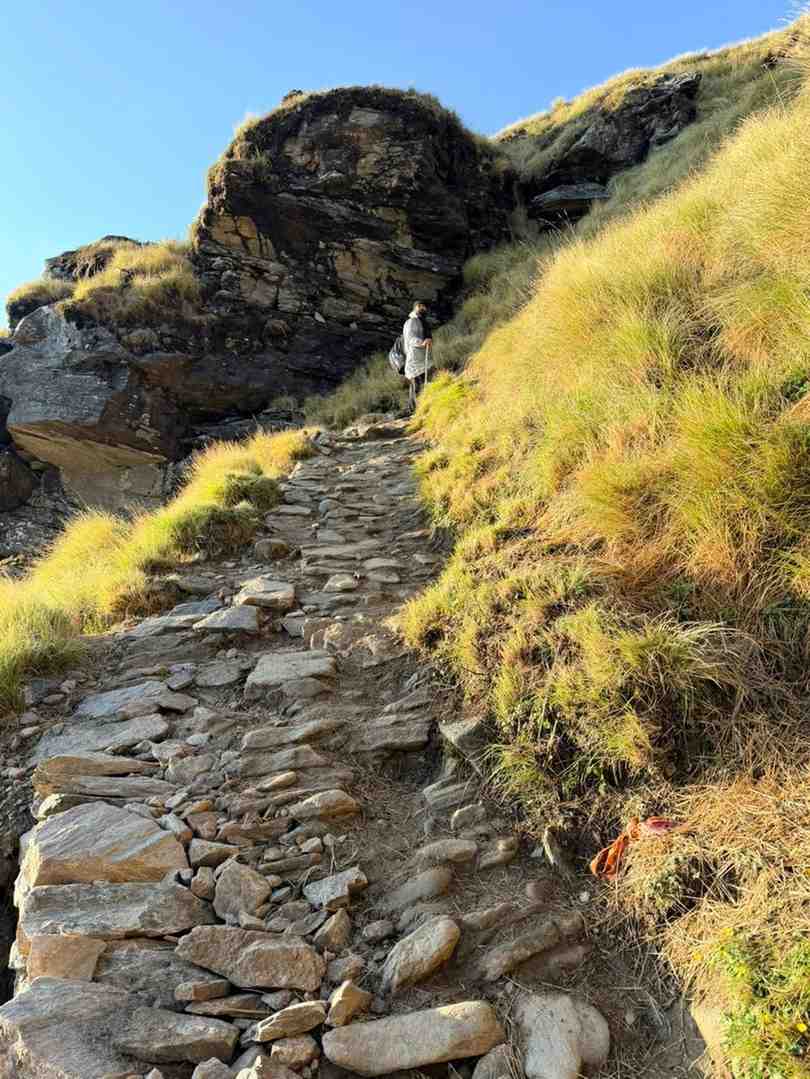 Photo 45
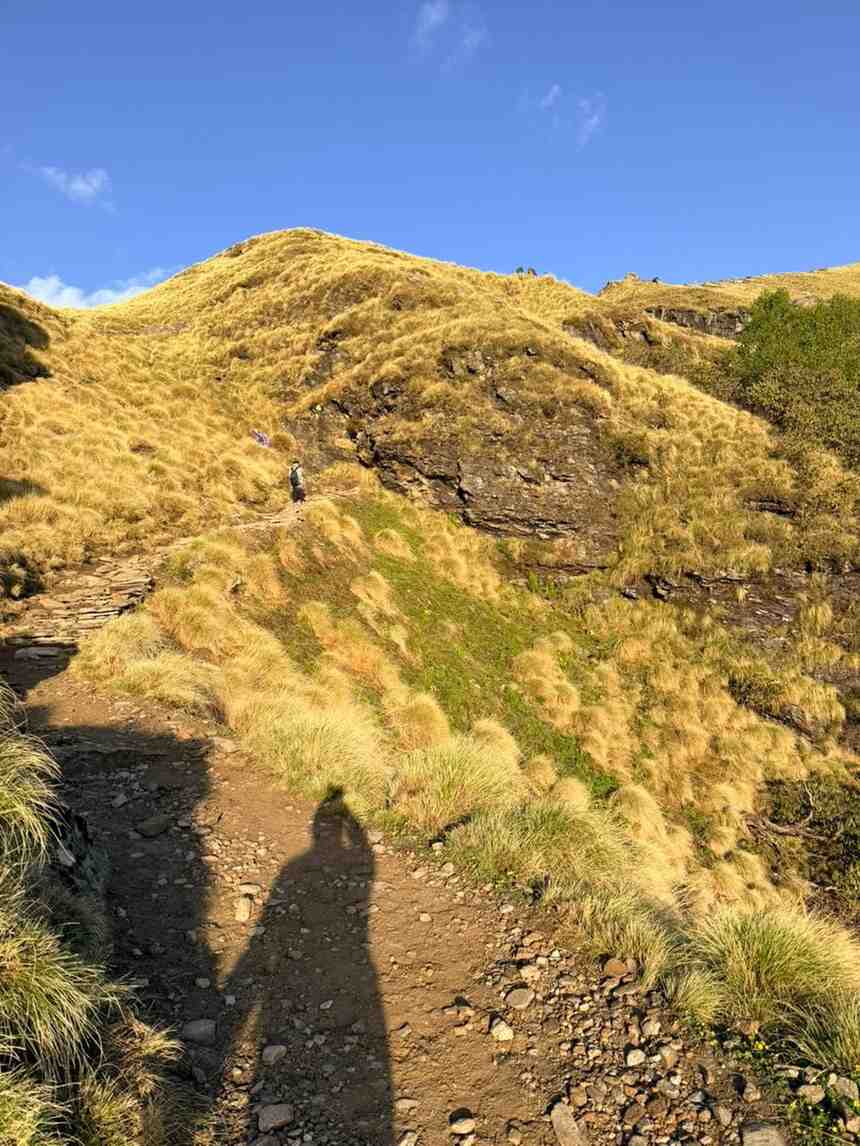 Photo 46
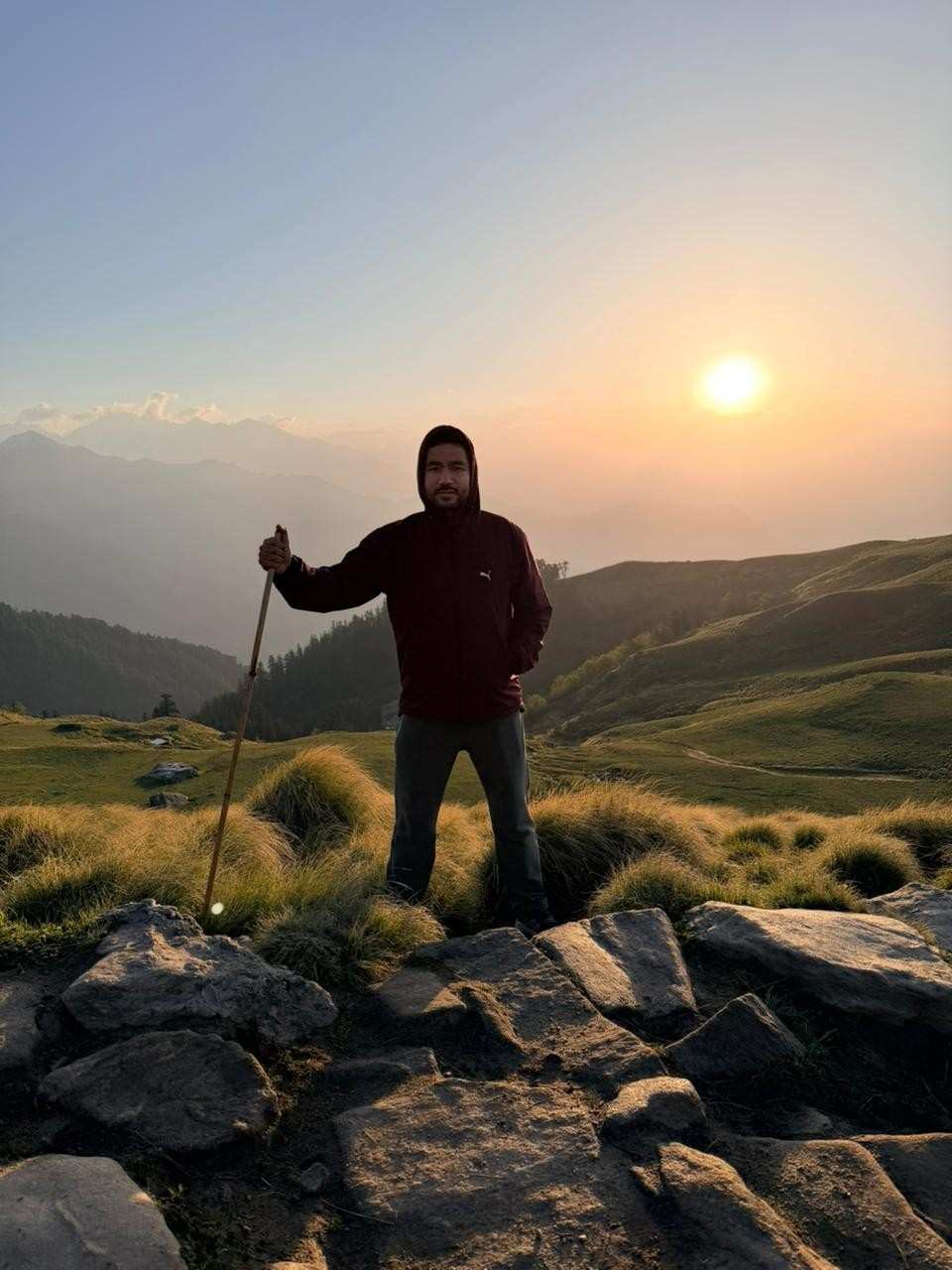 Photo 47
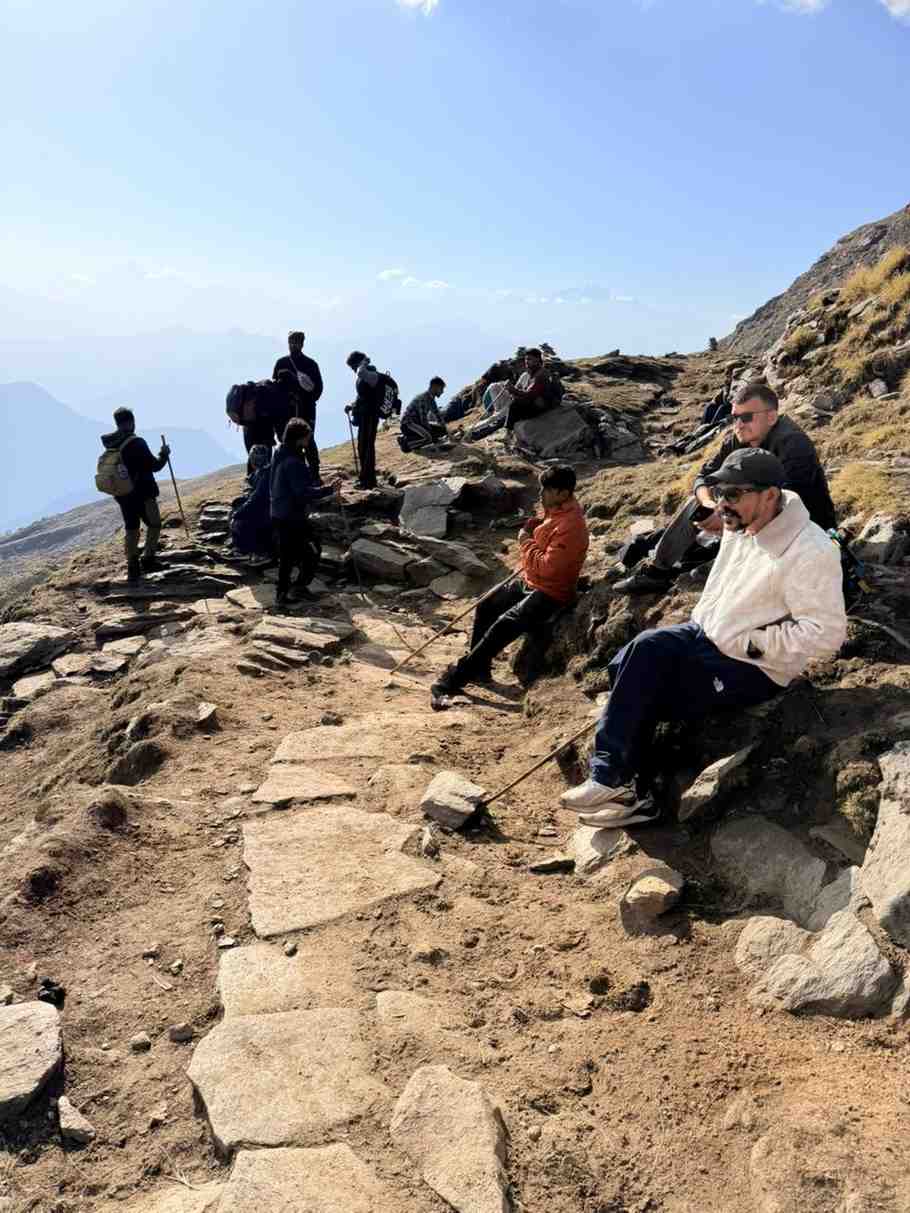 Photo 48
 Photo 49
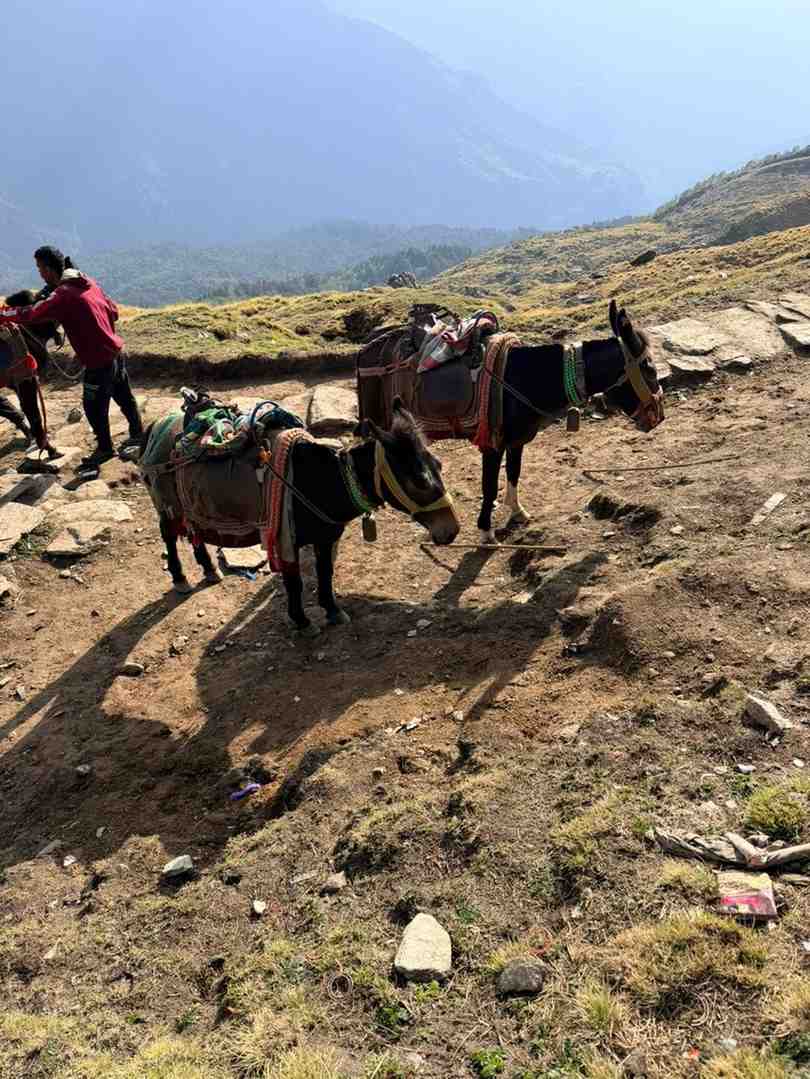 Photo 50
 Photo 51
 Photo 52
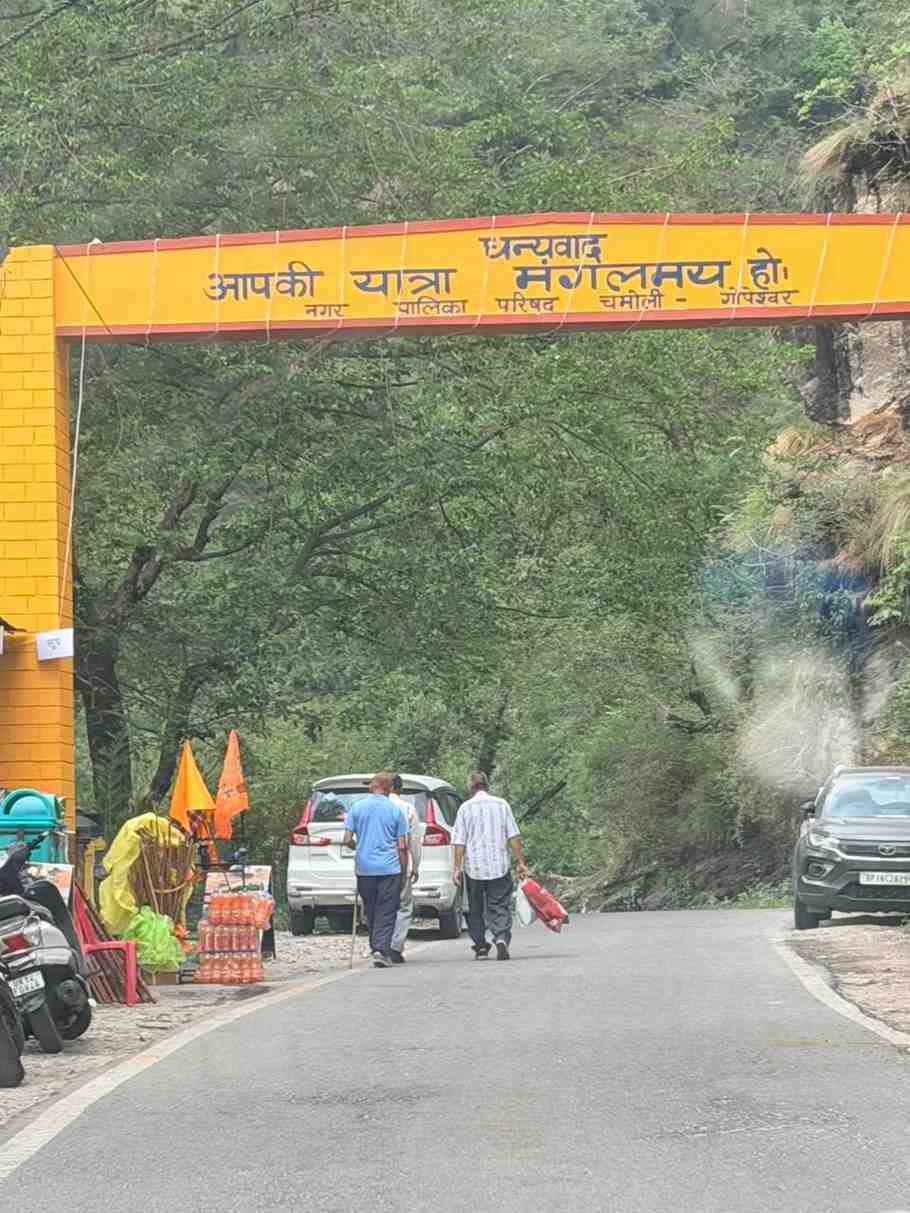 Photo 53
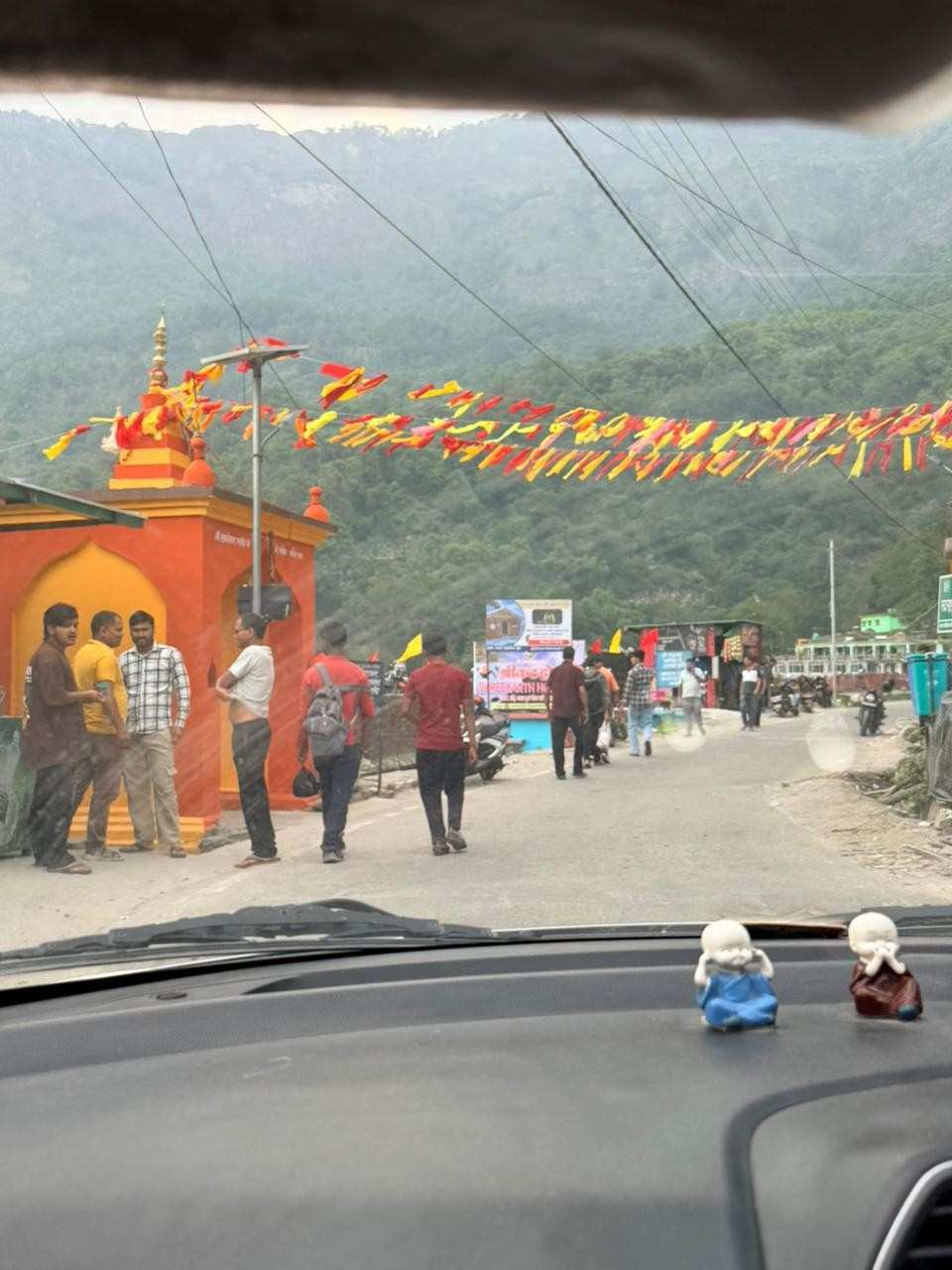 Photo 54
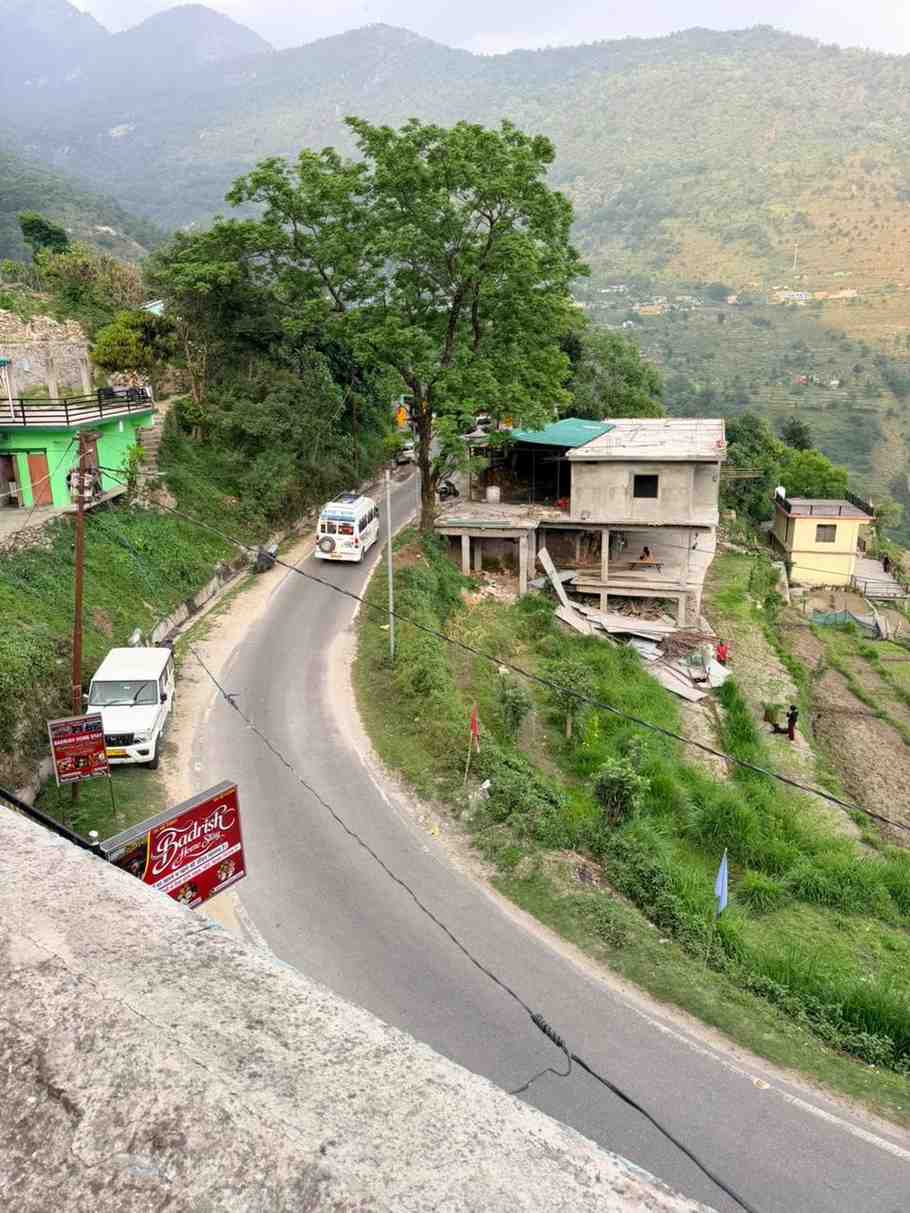 Photo 55
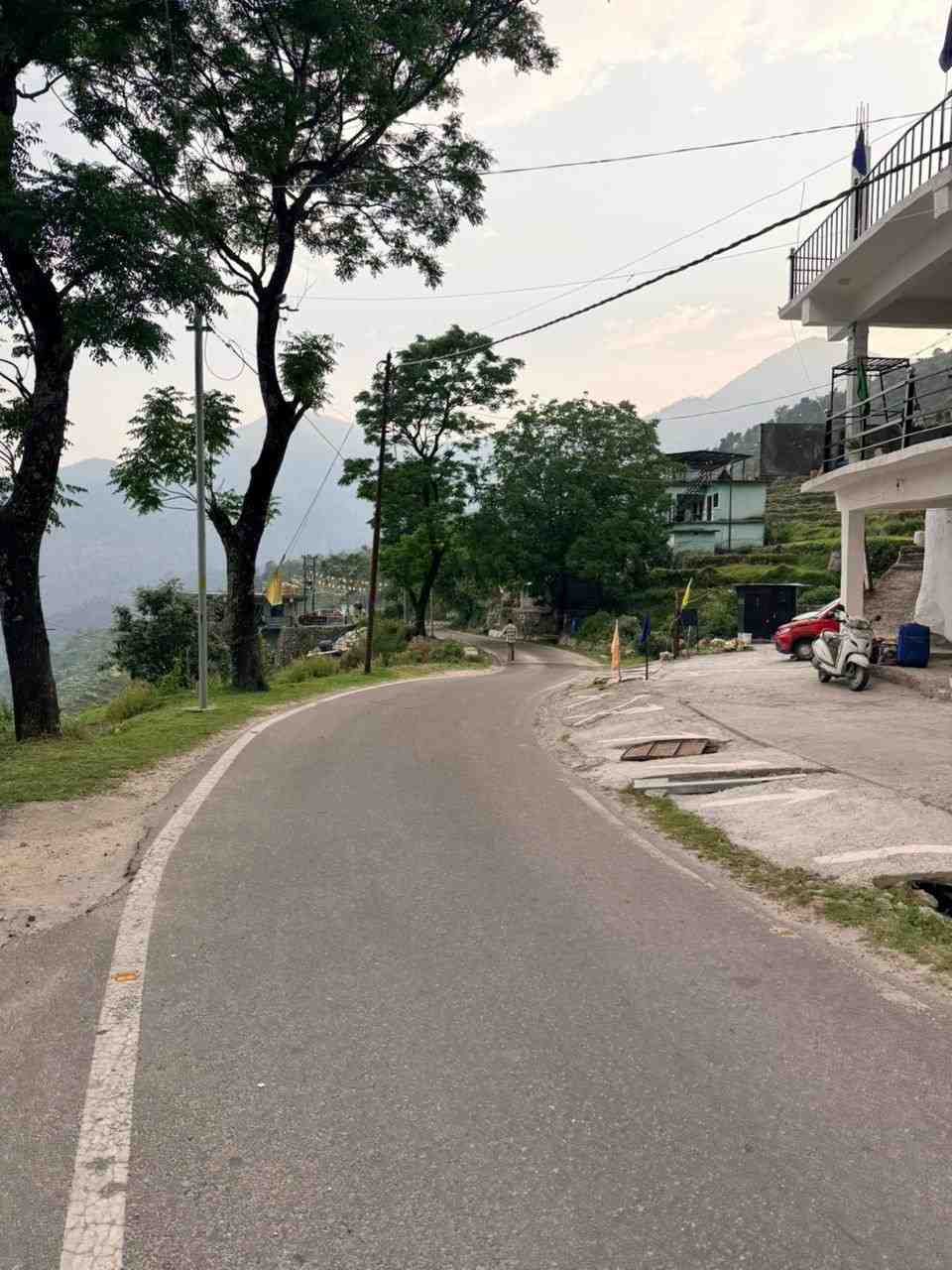 Photo 56
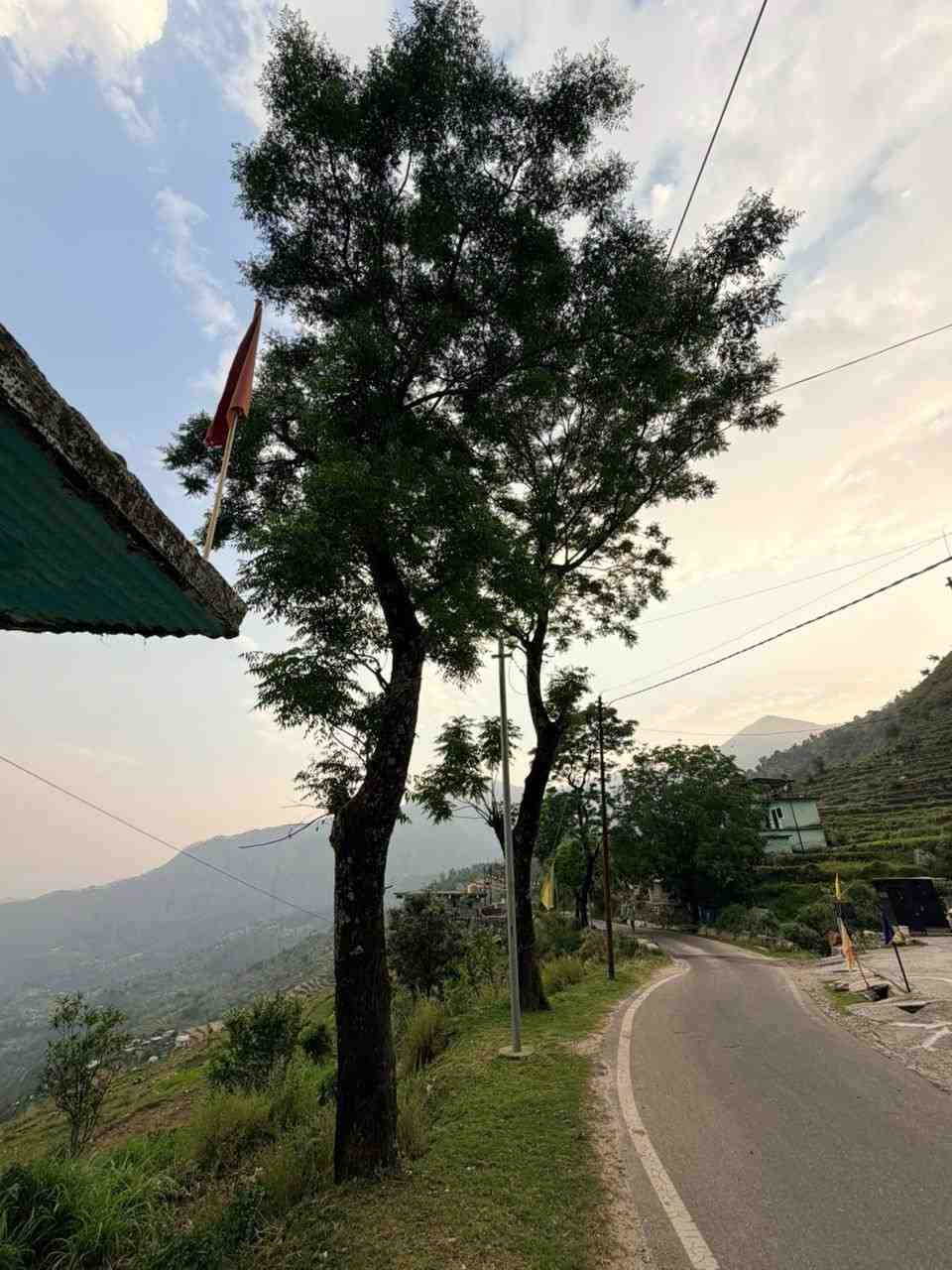 Photo 57
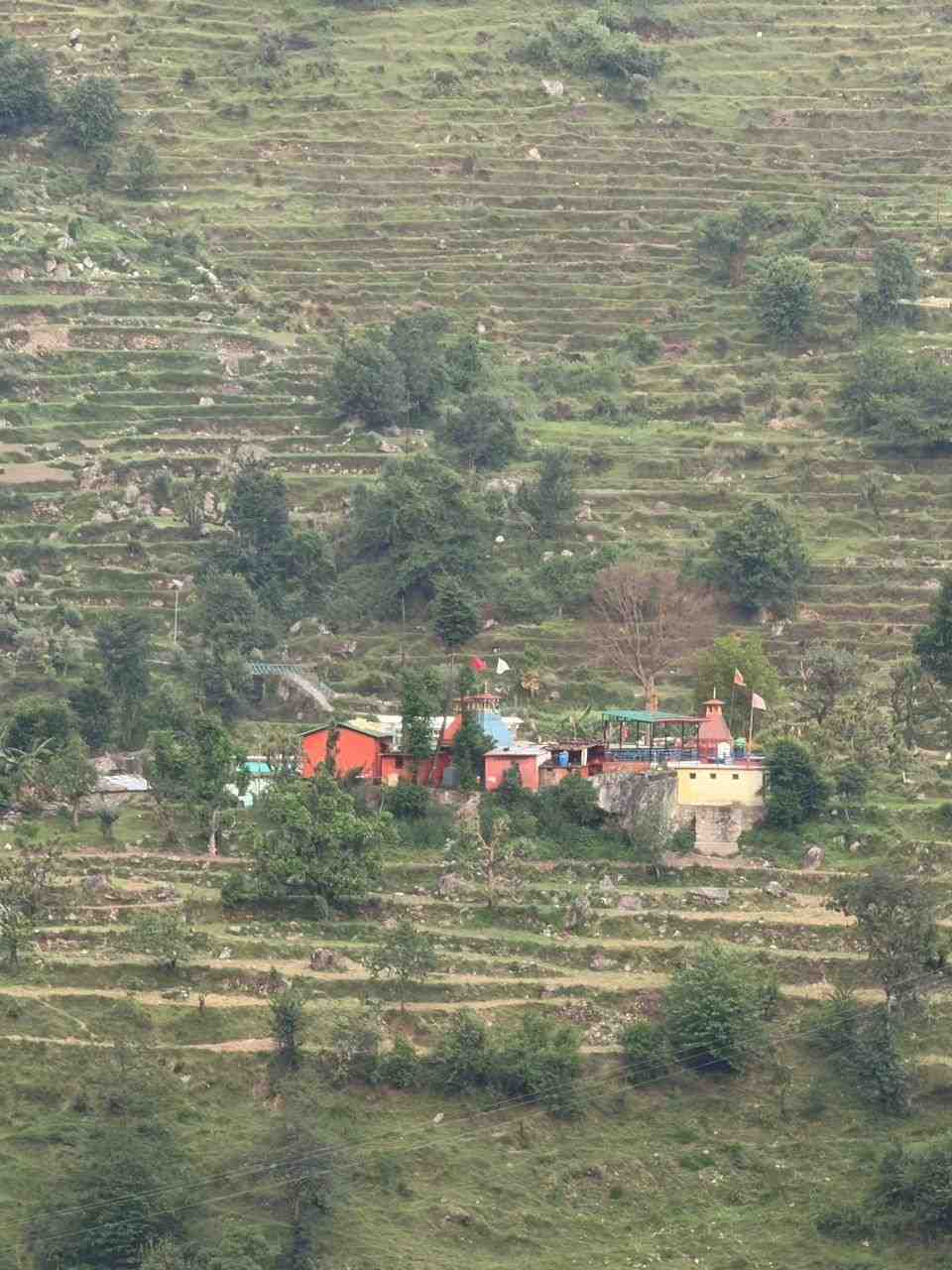 Photo 58
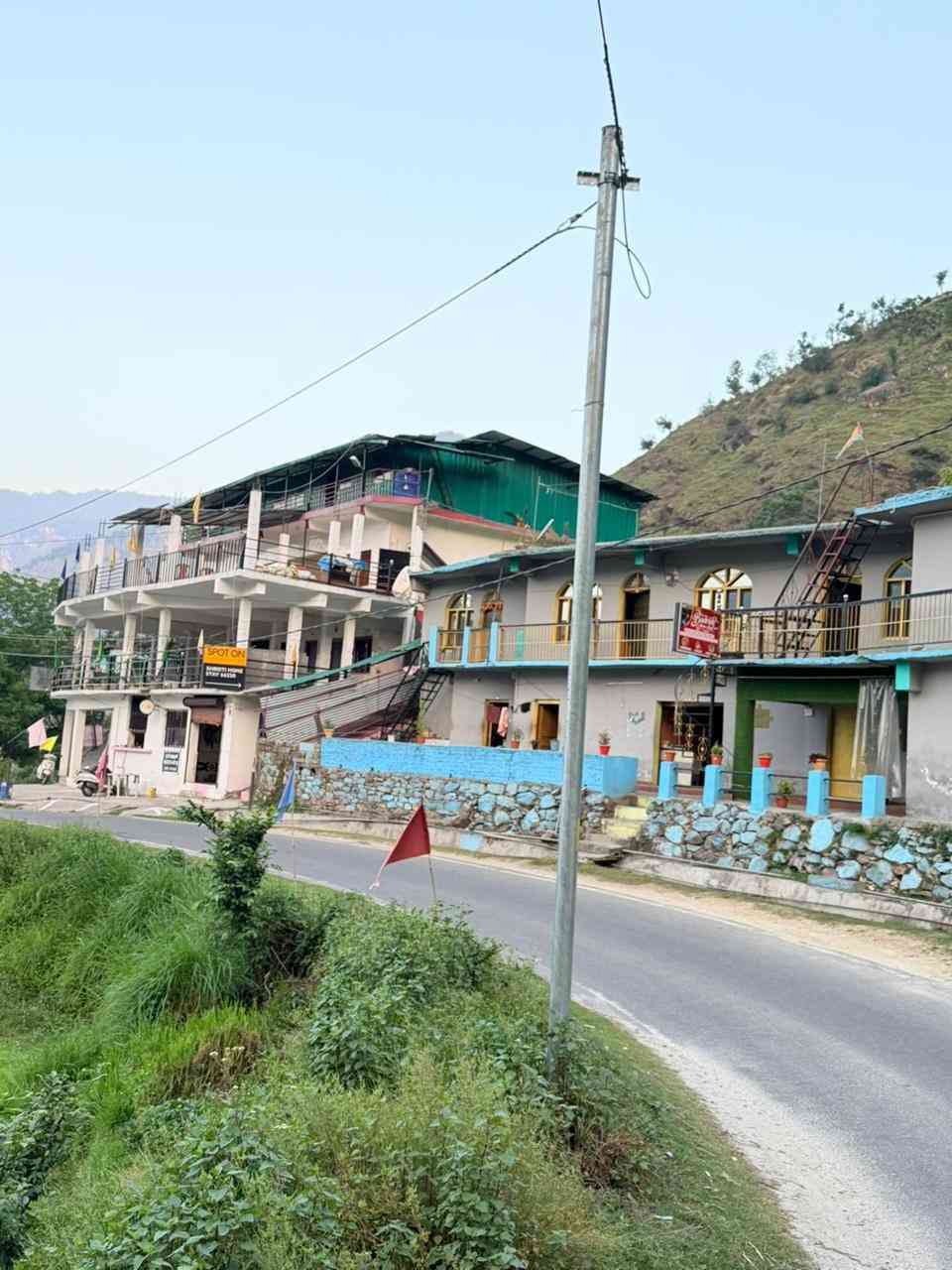 Photo 59
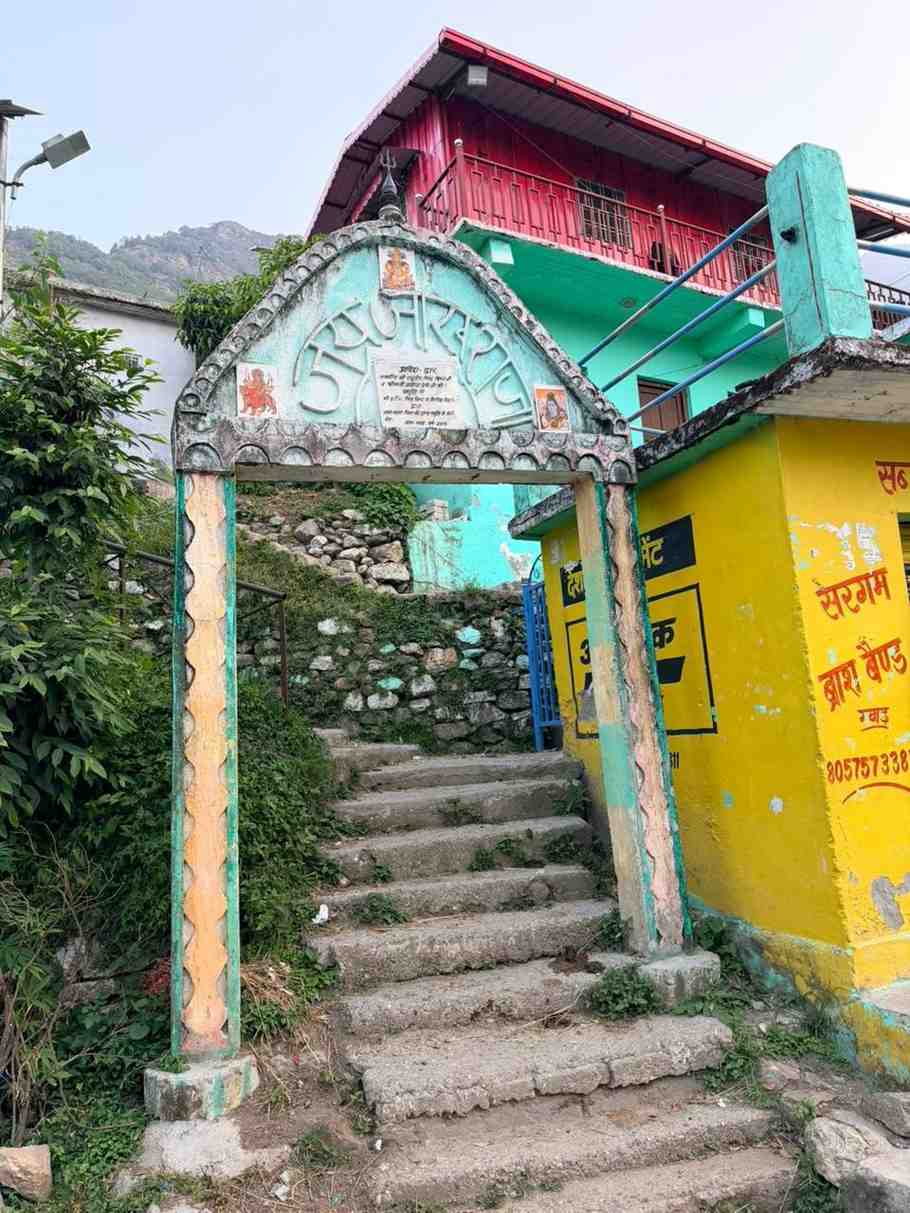 Photo 60
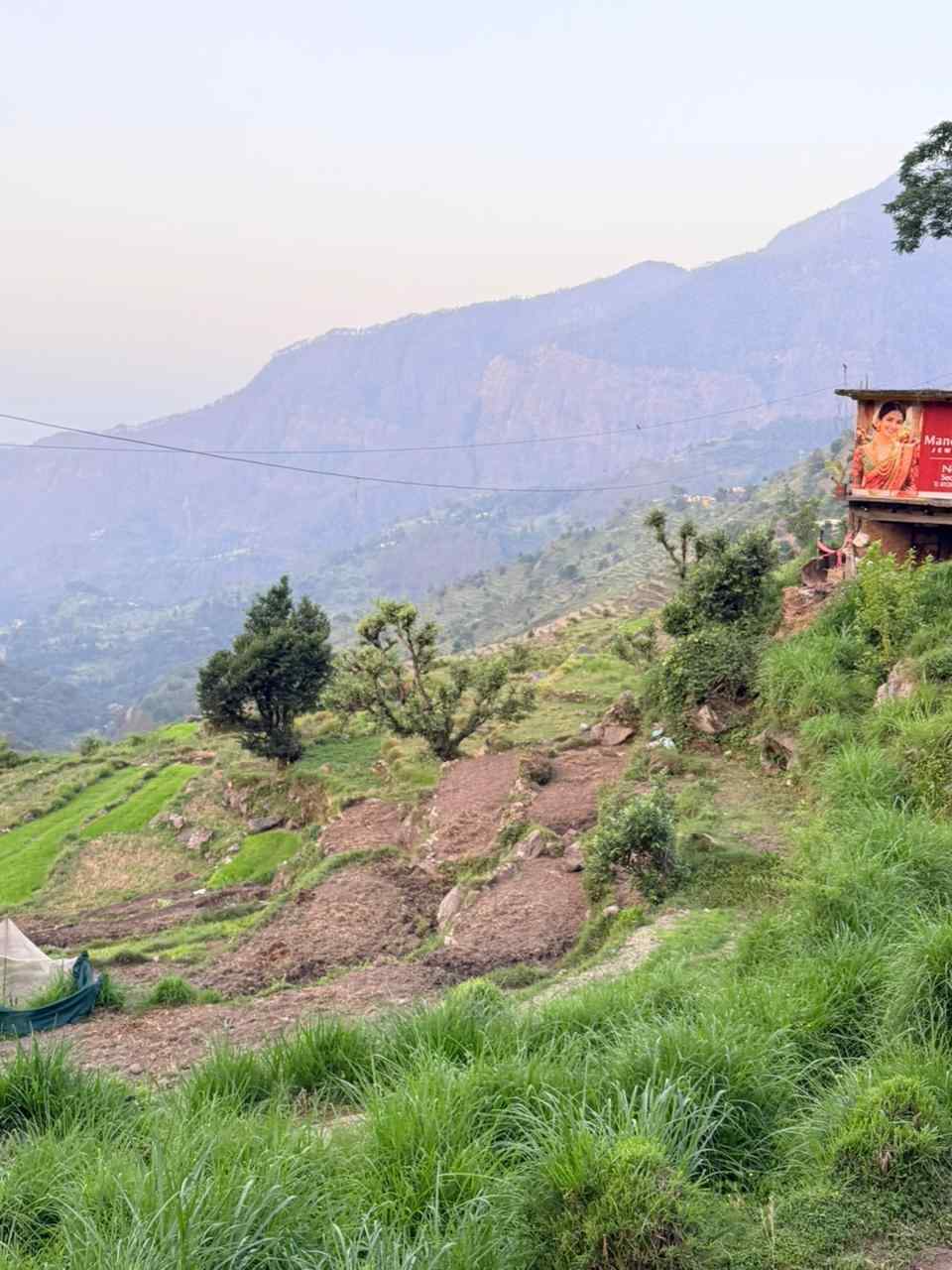 Photo 61
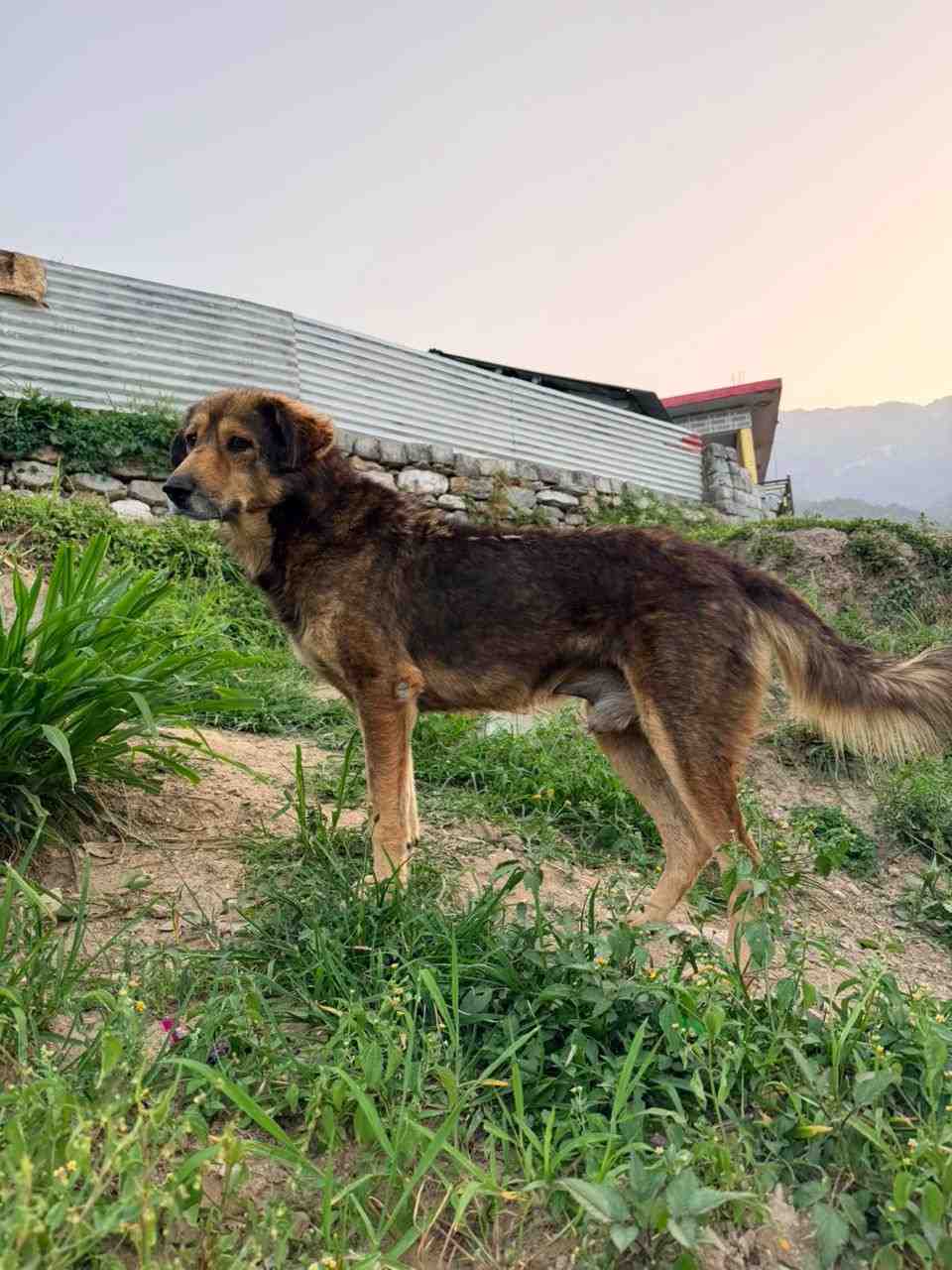 Photo 62
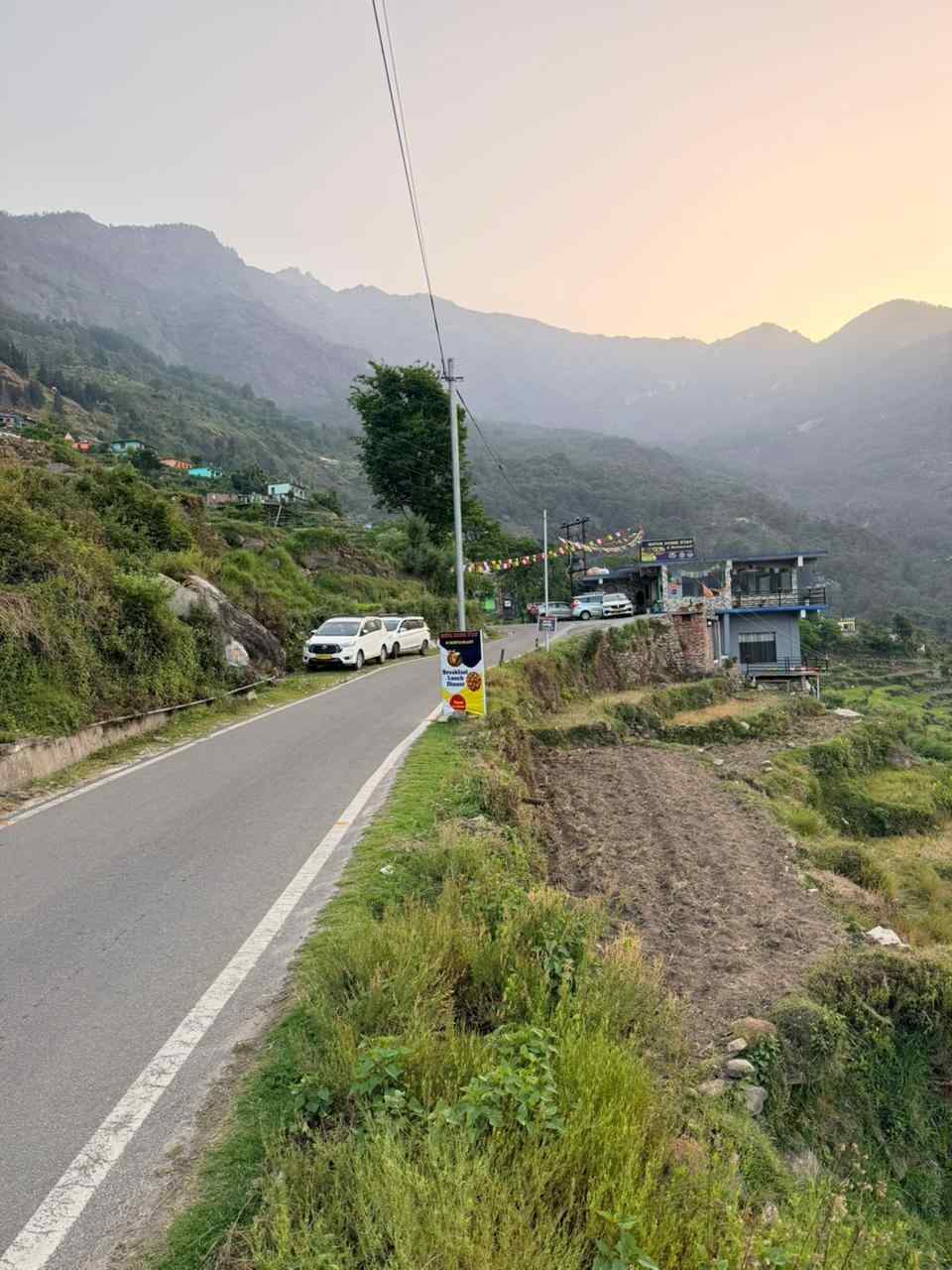 Photo 63
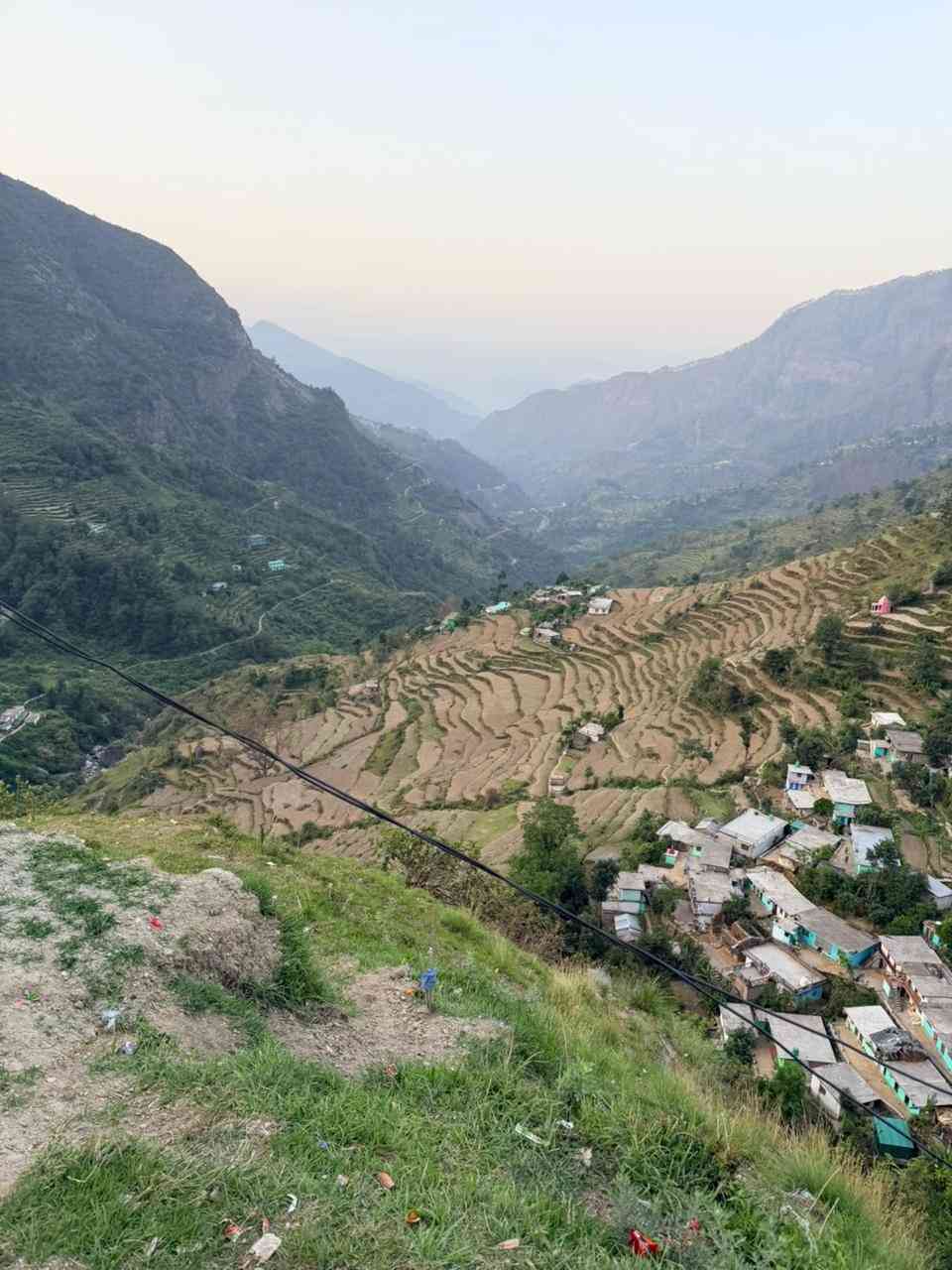 Photo 64
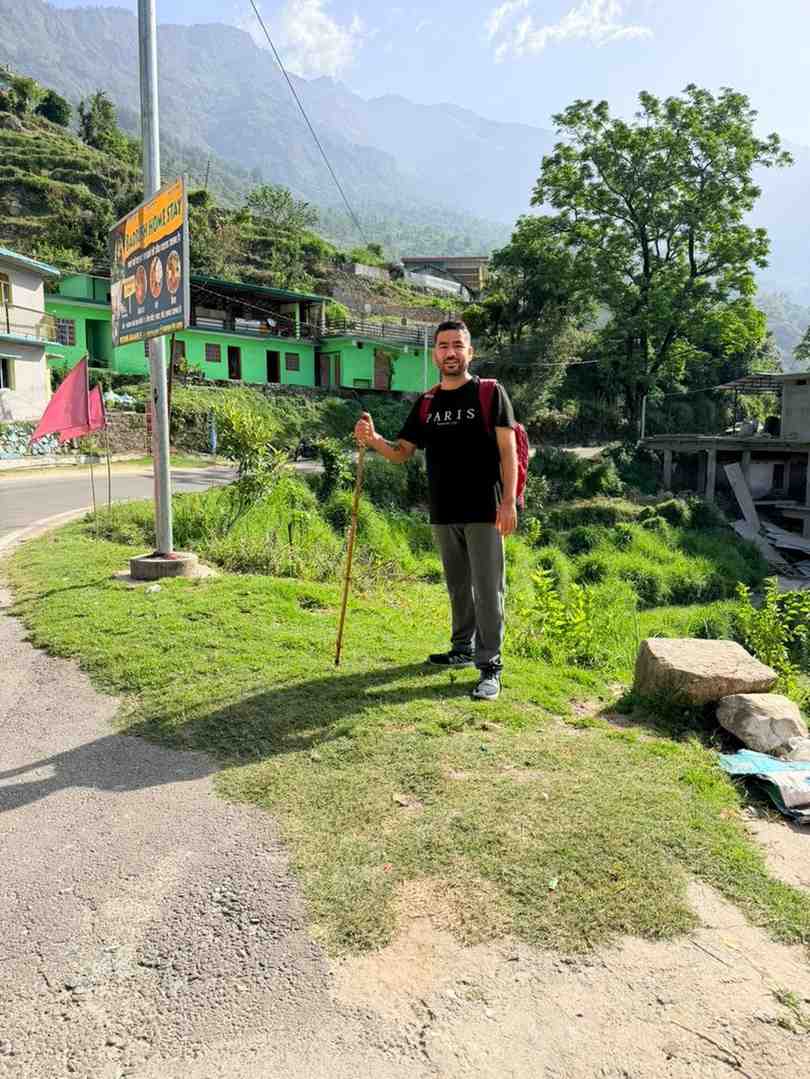 Photo 65
 Photo 66
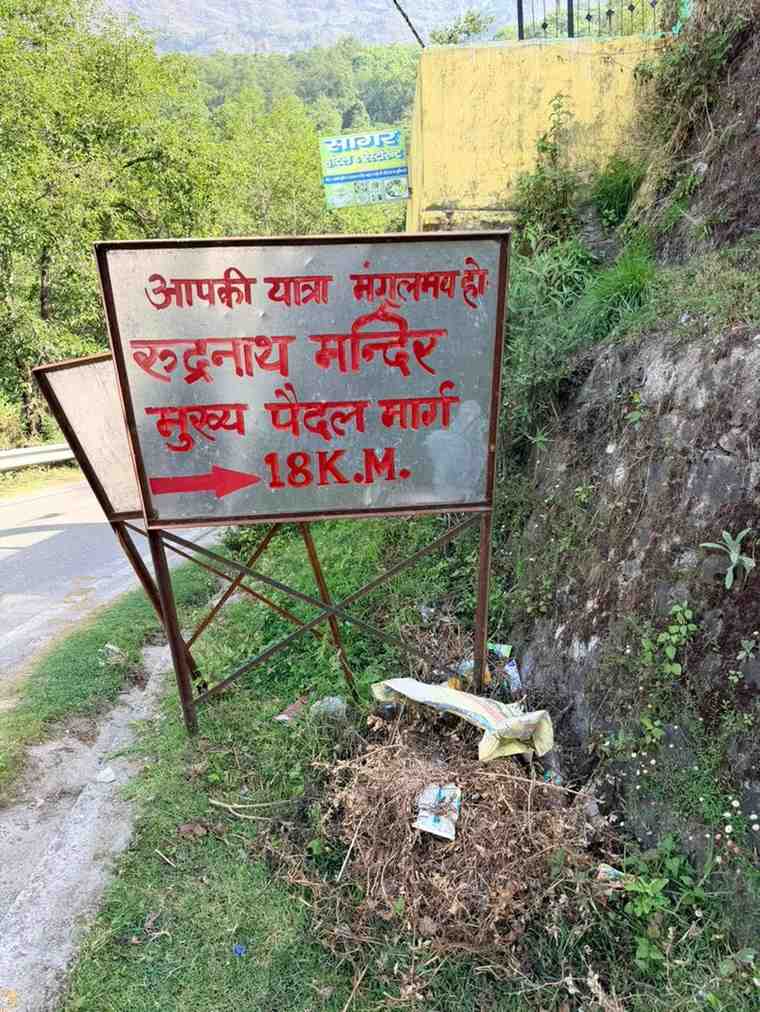 Photo 67
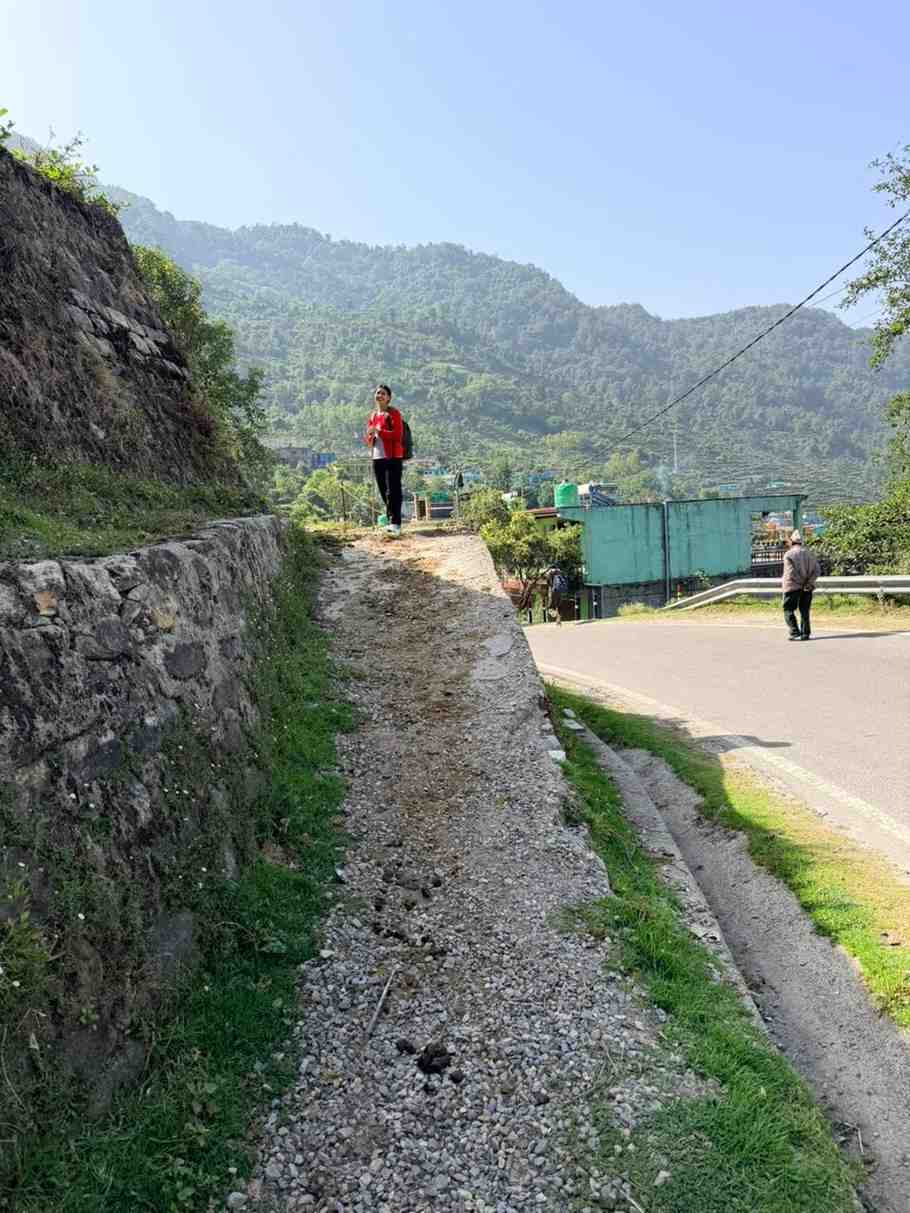 Photo 68
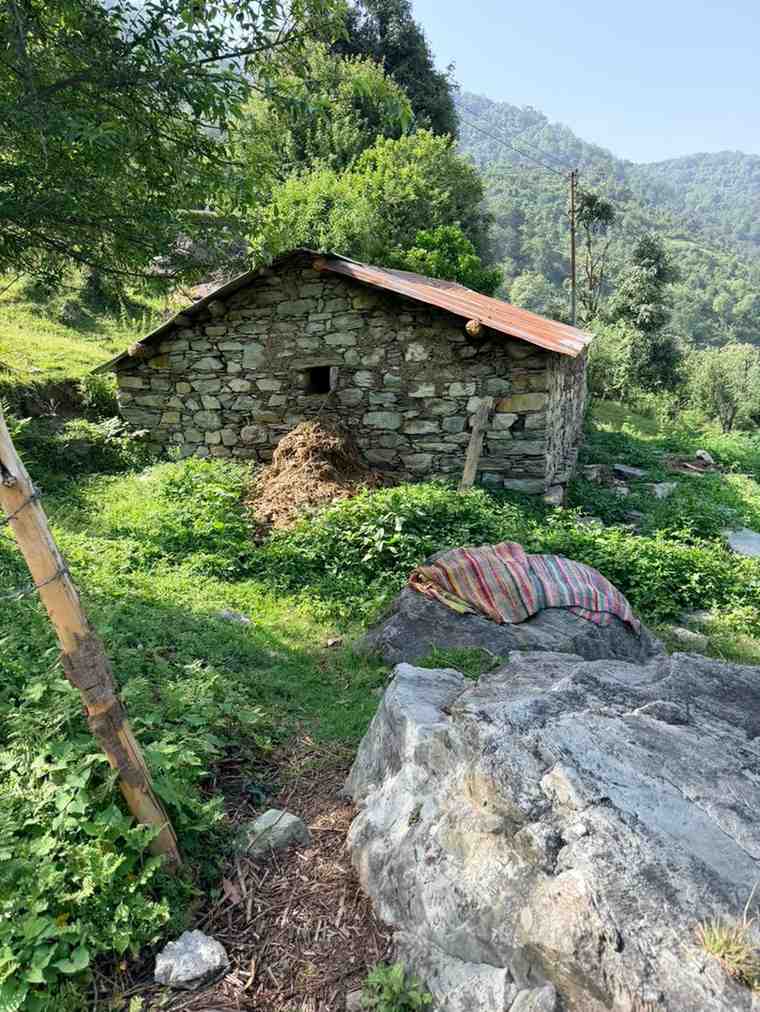 Photo 69
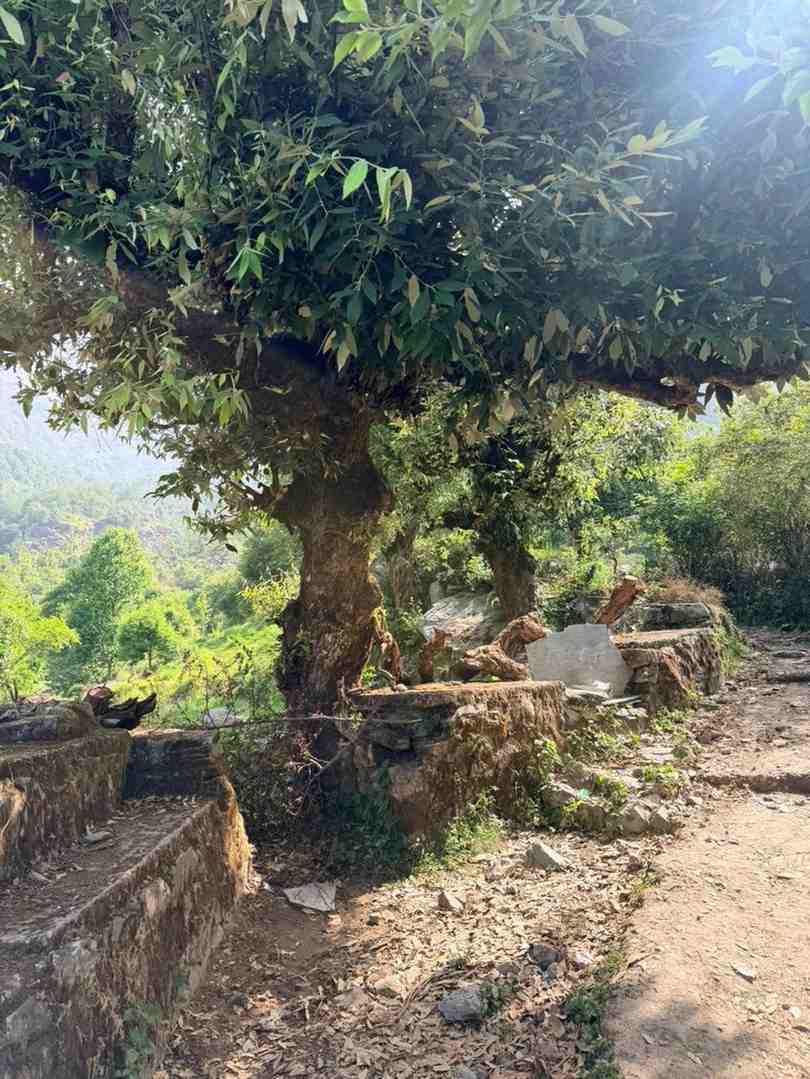 Photo 70
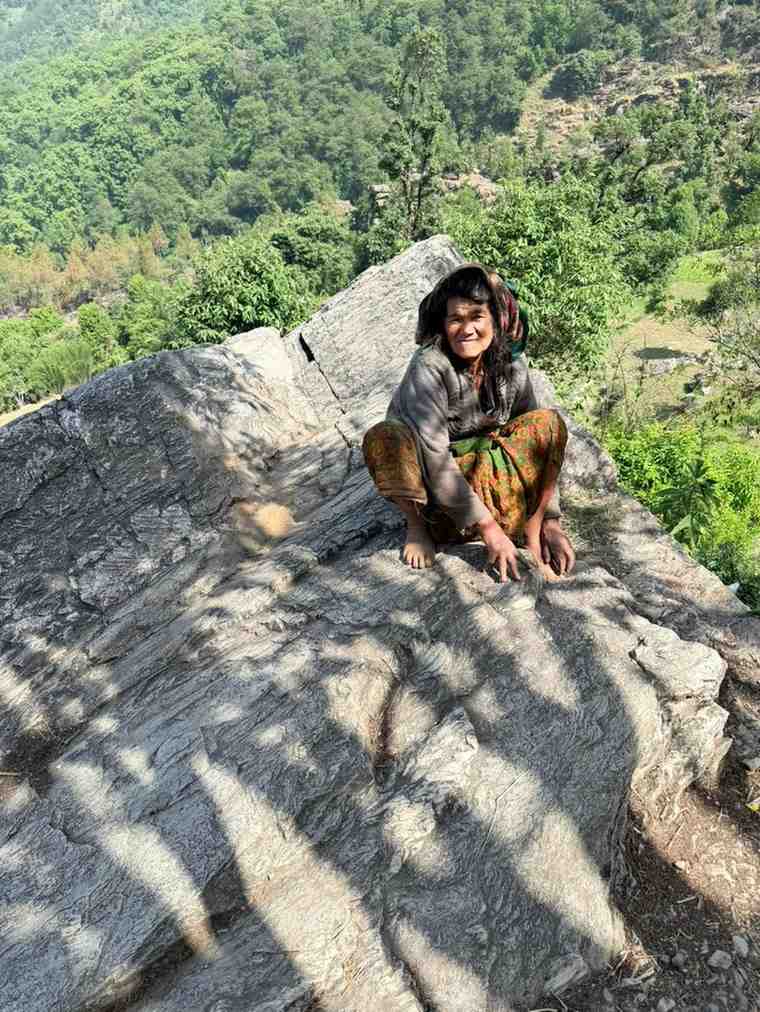 Photo 71
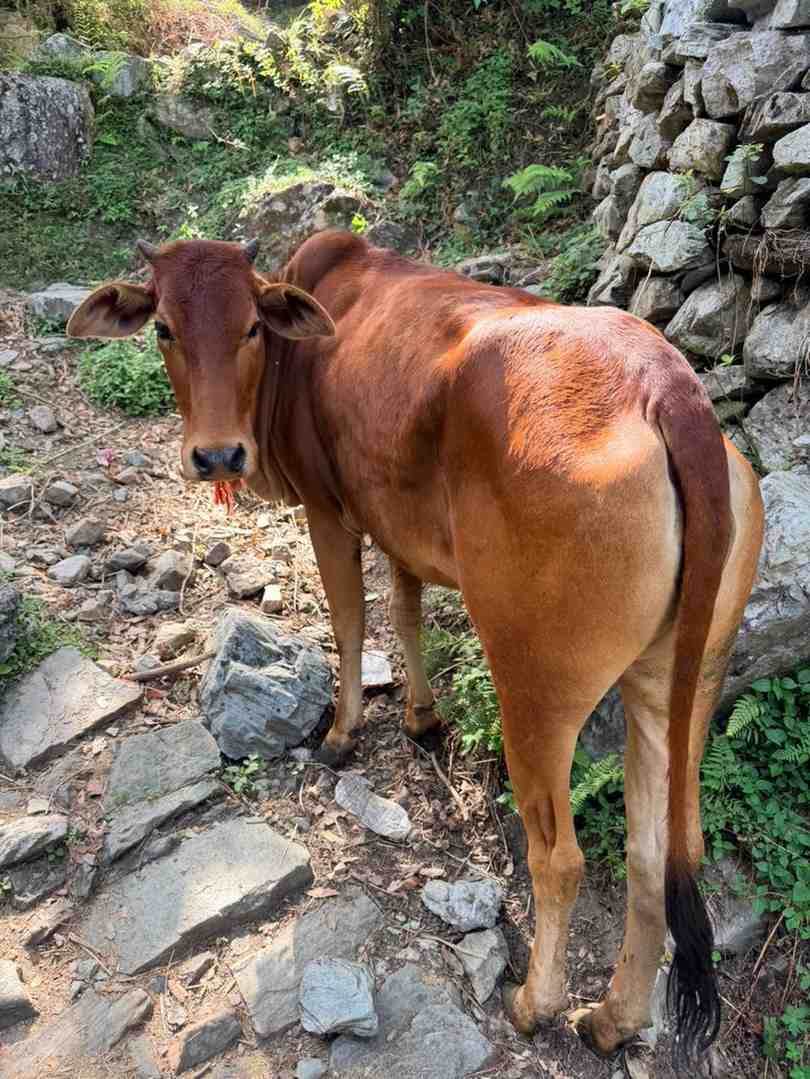 Photo 72
 Photo 73
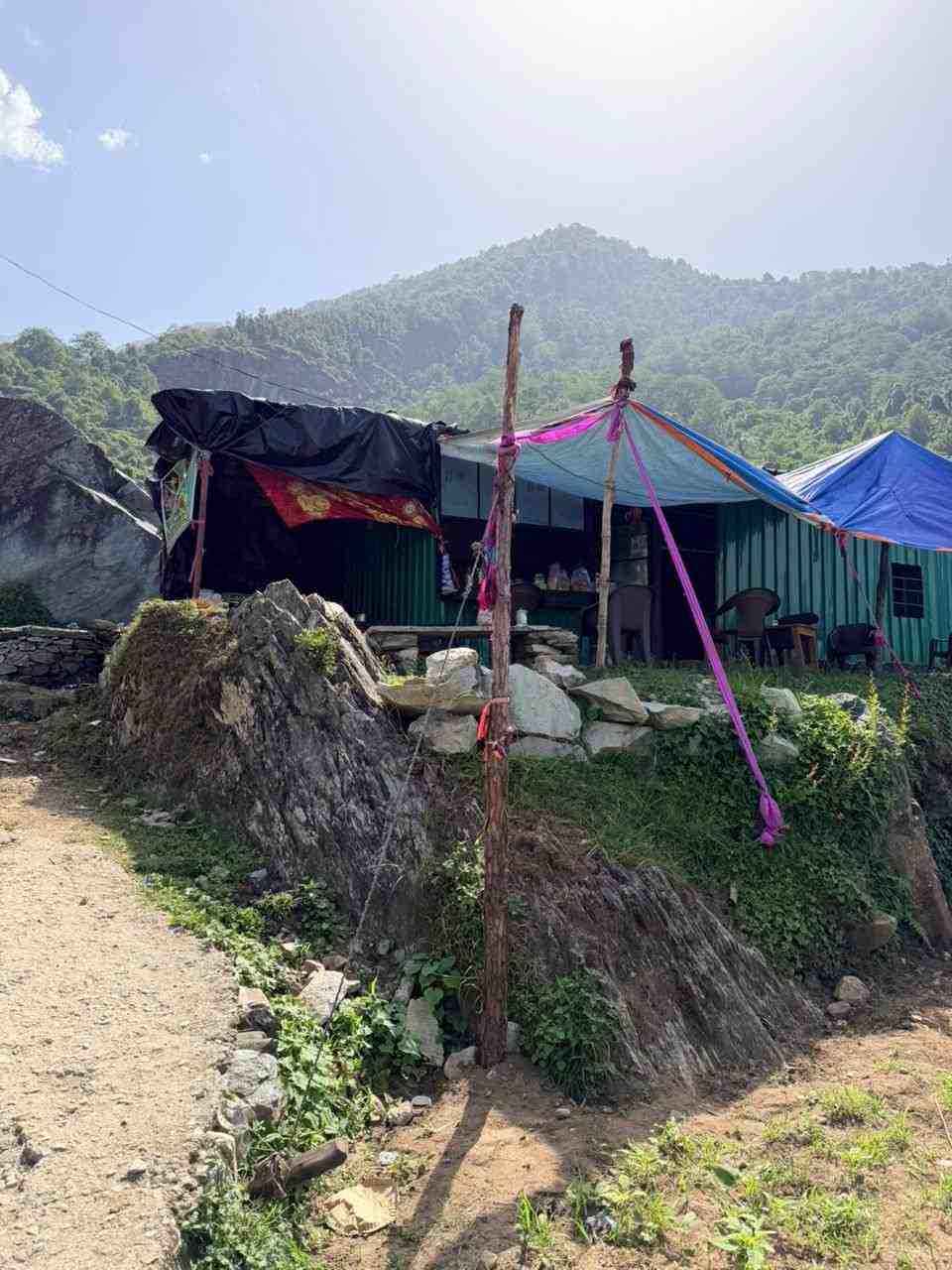 Photo 74
 Photo 75
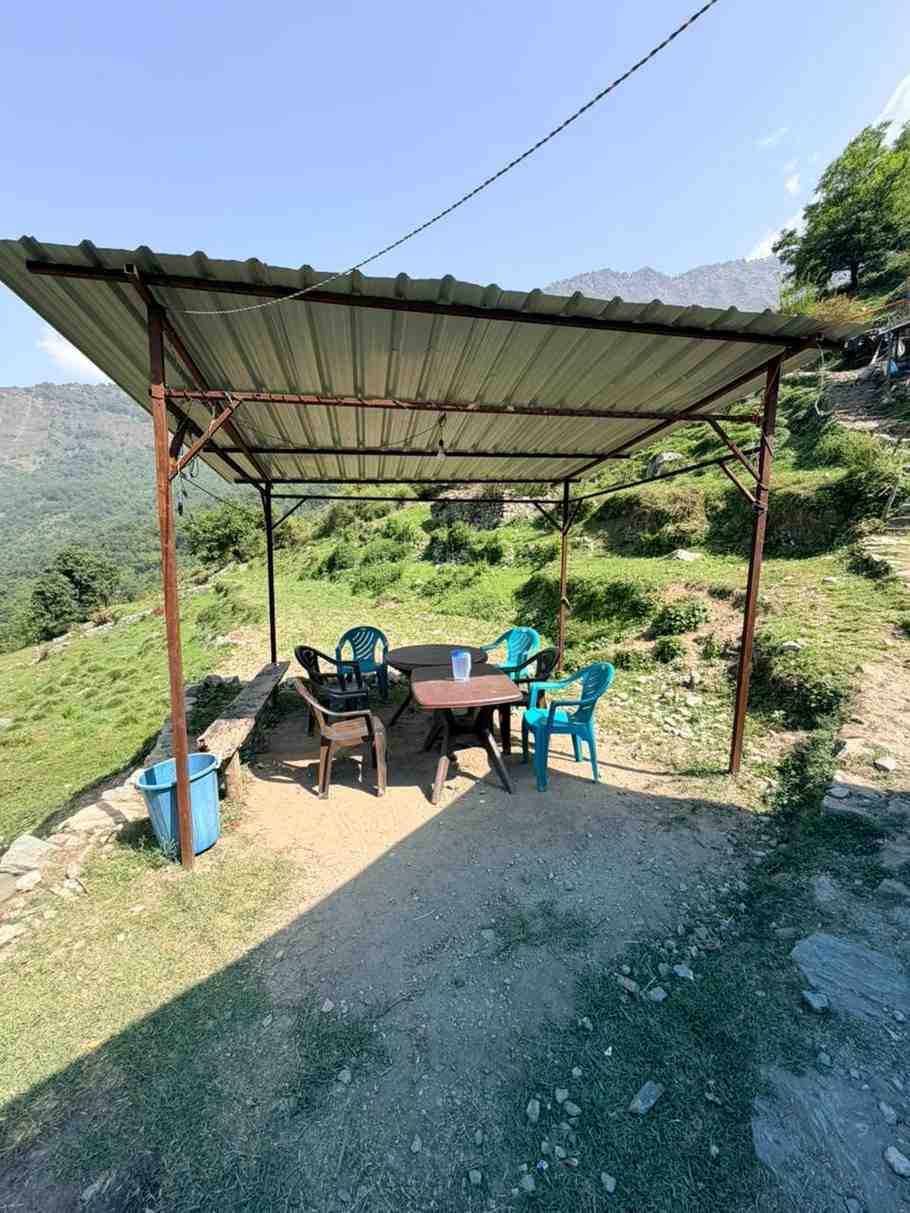 Photo 76
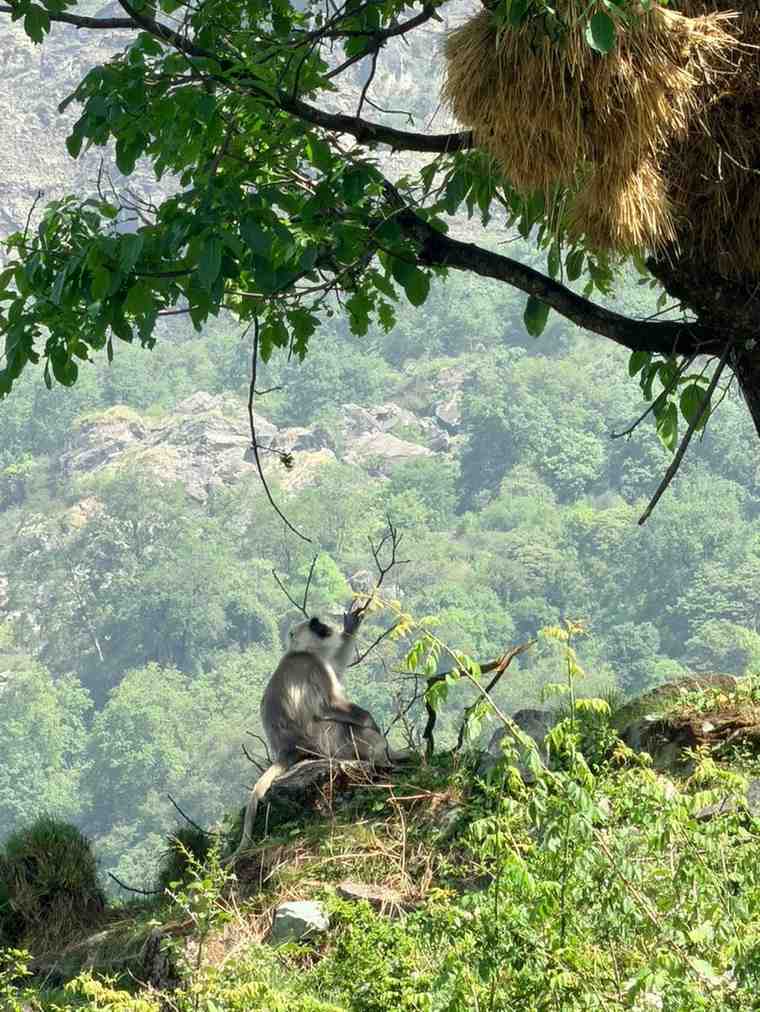 Photo 77
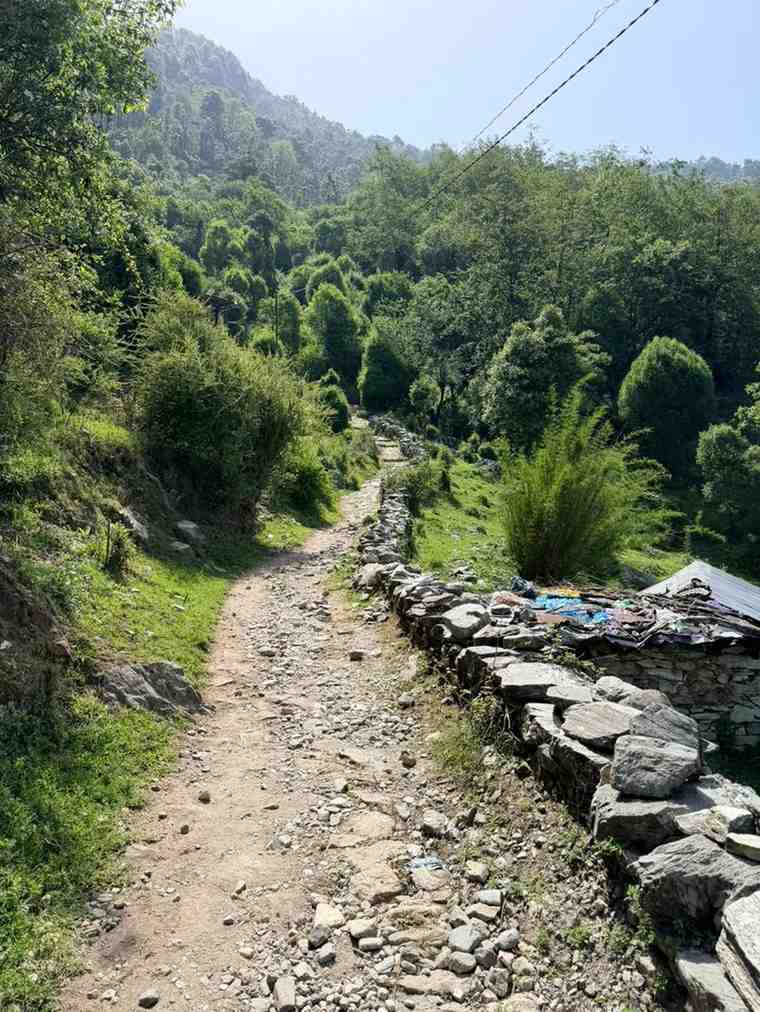 Photo 78
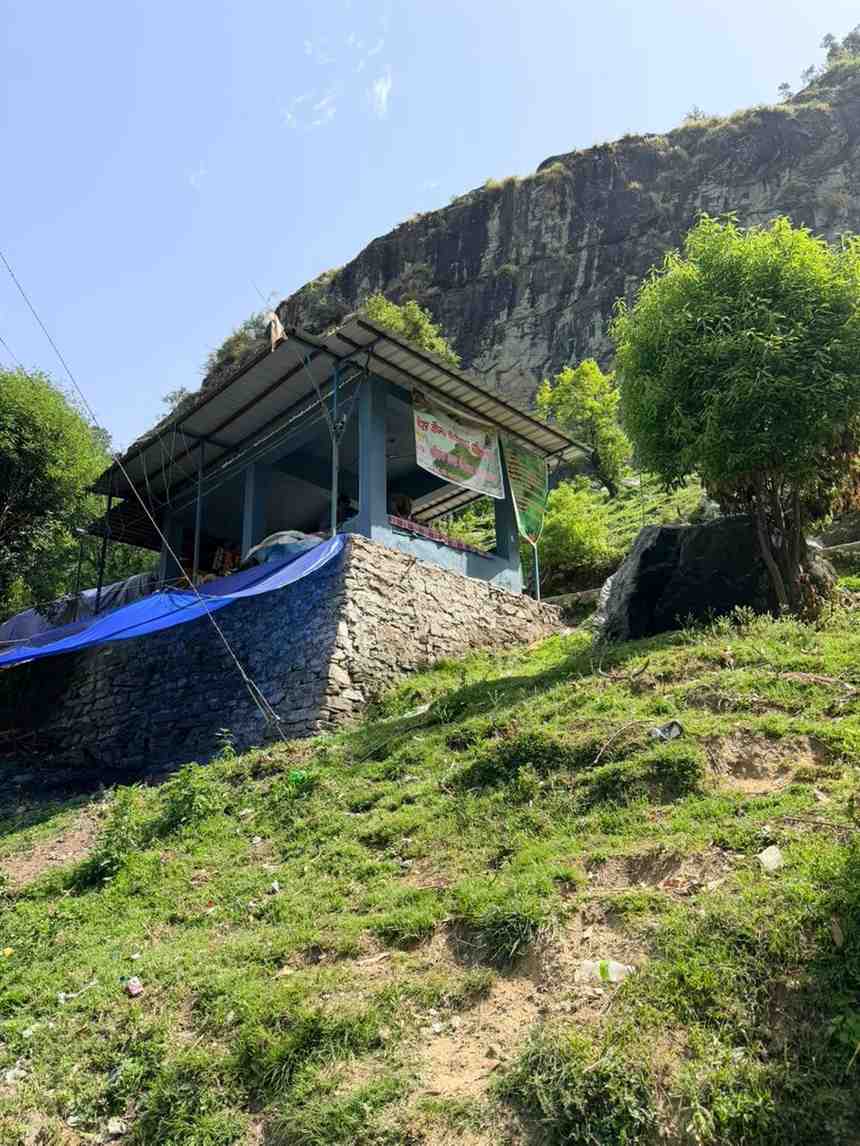 Photo 79
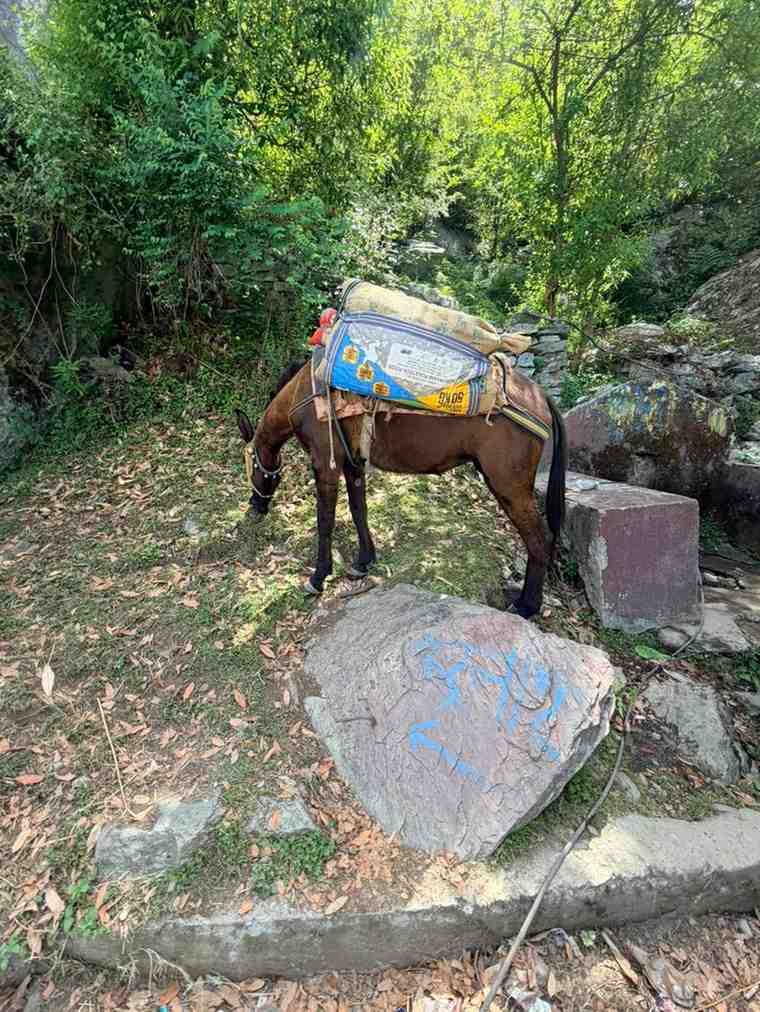 Photo 80
Plan Your Rudranath Trek
Replace this CTA with your real business contact, WhatsApp number, booking form, homestay link or trek package enquiry link.
WhatsApp for Trek Plan